





Still Life on Board
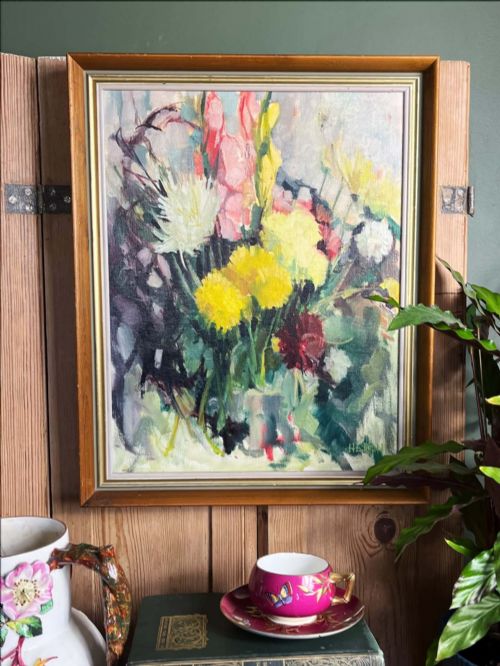
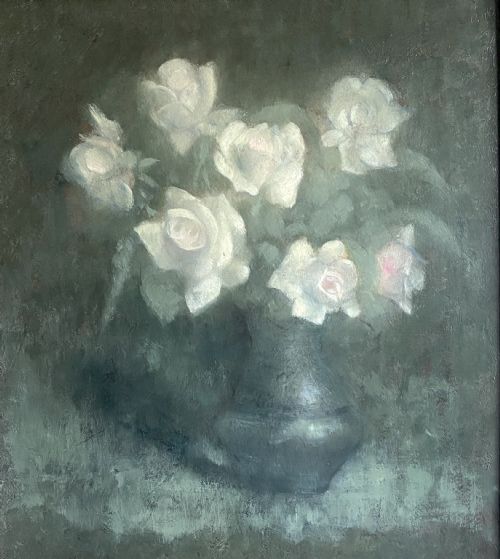
These still life on board paintings capture centuries of domestic observation, offering texture and intimacy that canvas simply cannot match.
Still Life on Board
A still life on board offers a solid foundation for paint, utilising rigid panels of wood or prepared board rather than stretched fabric. Buyers searching for still life on board encounter works ranging from early nineteenth-century floral studies to mid-century modernist compositions.
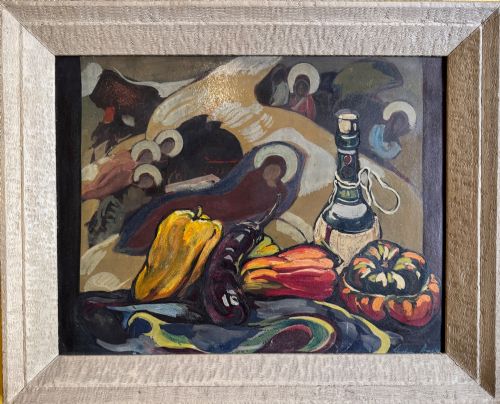
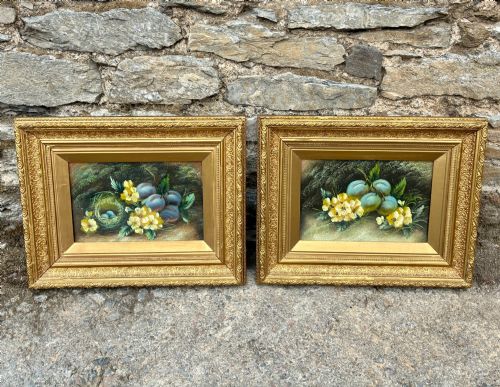
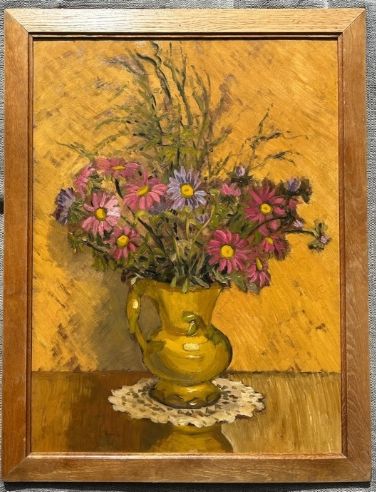
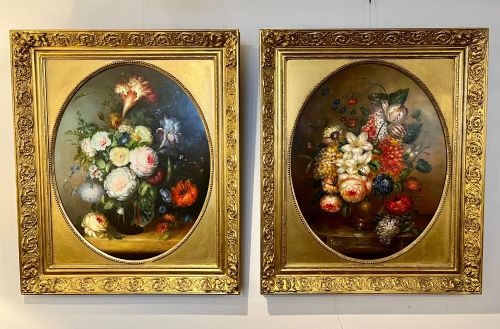
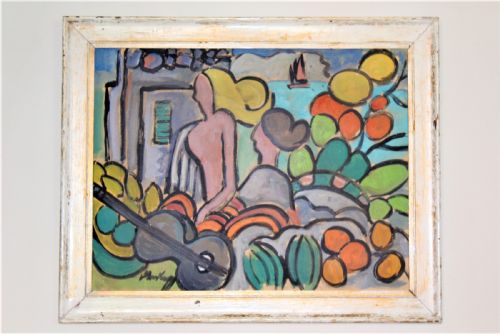
The format accommodates varied subjects, from traditional Dutch style flower arrangements and fruit in ginger jars to surrealist interiors and feline studies. Most examples on this page date from the nineteenth century through the mid-twentieth century, capturing domestic scenes across British, French, and Italian schools.
Artists favoured board for its resistance to slackening and its ability to take fine brushwork directly onto a smooth or textured ground. These pieces function primarily as wall art, housed in frames that often include giltwood or simple moulding.
Materials and construction
Paintings recorded here rely on oil paint applied to wooden boards or prepared panels, sometimes accompanied by gilt framing. The rigid support prevents the flexing common in canvas, allowing artists to apply thick impasto or delicate glazes with precision.
Frames vary from period giltwood to simple decorative surrounds, protecting the edges of the board. The physical medium remains predominantly oil paint, though gouache appears in specific twentieth-century works.
Still Life on Board Retail Price Guide 2026
Typical asking prices for still life on board among the pieces listed under this phrase on Sellingantiques today, from the lower quarter to the upper quarter. They describe what is for sale here now, not the wider market.
The selection includes British, French, and Italian schools, encompassing traditional floral studies, surrealism, and decorative toleware stands.
Judging quality in panel painting
Quality rests in the handling of the pigment and the structural integrity of the board itself. A confident brush and balanced composition distinguish accomplished works from routine decorative pieces.
The relationship between the painted surface and its frame matters greatly, as original or period-appropriate giltwood enhances the visual weight of the panel.
Kenneth Cozens·Evelyn Chester·Winifred Turner·Markey Robinson·E Cremer
The Still Life on Board Glossary
- Board
- A rigid flat support made of wood or composite material used as a substitute for canvas. It provides a stable surface that does not require tensioning.
- Giltwood
- Wood carved and covered with thin gold leaf or metal powder. This finish appears frequently on the frames surrounding nineteenth-century panels.
- Impasto
- Paint applied thickly to a surface, leaving visible brush marks that stand proud of the board. This technique adds tactile depth to floral and fruit subjects.
- Dummy board
- A painted figure or object cut out from wood to create a trompe l'oeil effect. These decorative pieces imitate three-dimensional forms in interior spaces.
- Toleware
- Enamelled or lacquered metalware used for decorative stands and household items. The technique involves hand-painted floral motifs on a dark ground.
Still Life on Board: Frequently Asked Questions
How do I care for a painting on board?
Keep the panel away from direct heat sources and dramatic changes in humidity to prevent the wood from warping or splitting over time.
Dust the surface gently with a soft, dry brush and avoid using liquid cleaners on either the painted board or its frame.
Are these paintings ready to hang?
Most examples arrive fitted with appropriate hanging hardware attached to their original or replacement frames.
Check the listing details to confirm the presence of a secure cord or wire before mounting the piece on your wall.
How do I date a panel painting?
Examine the type of wood or board, the composition of the paint, and the style of the frame for clues about the period.
Signatures, inscriptions on the reverse, and stylistic markers such as Art Nouveau or mid-century modernist traits also help narrow down the decade.
What is the difference between canvas and board?
Canvas is a flexible woven fabric stretched over a wooden frame, whereas board provides a rigid and unyielding support for the artist's pigments.
Board eliminates the risk of sagging and offers a completely stable surface that responds differently to knife and brush work.