

Still Life Canvases
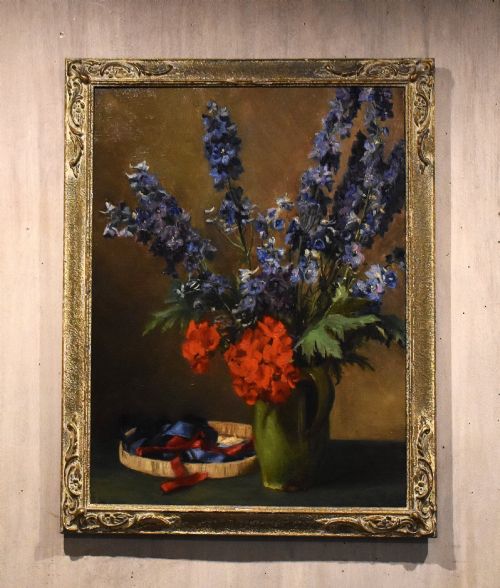
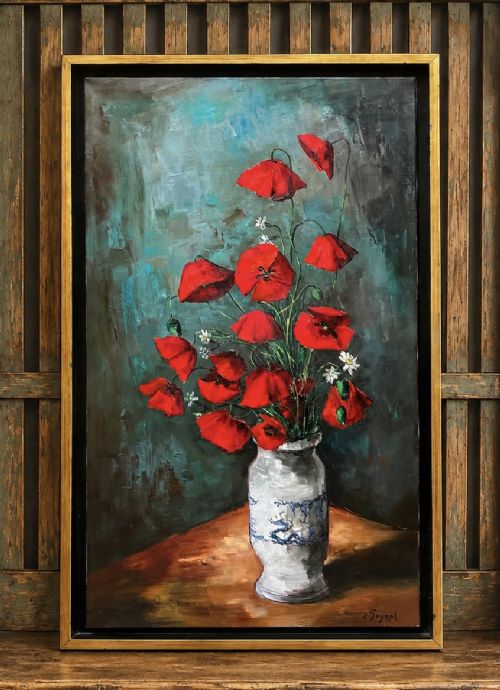
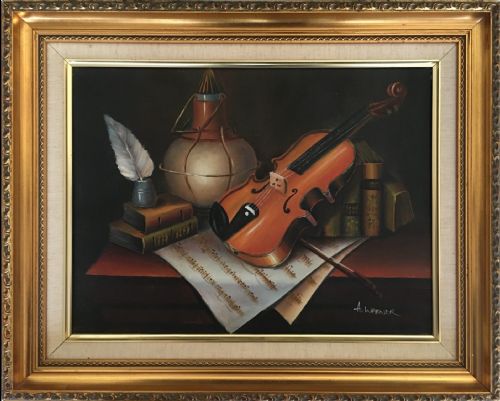
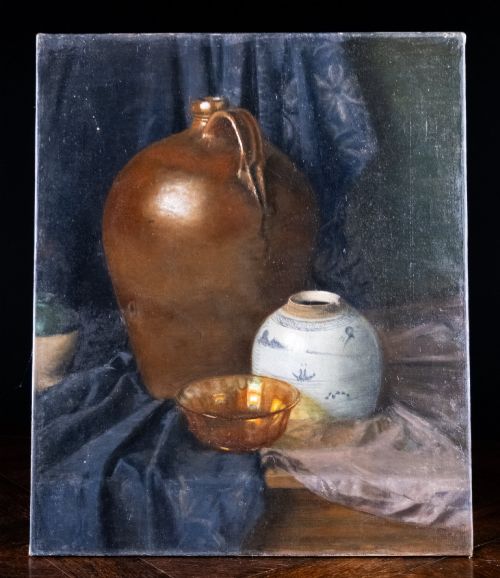
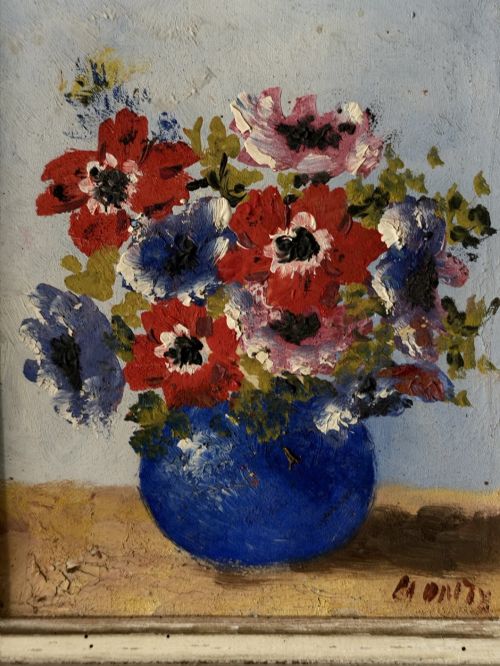
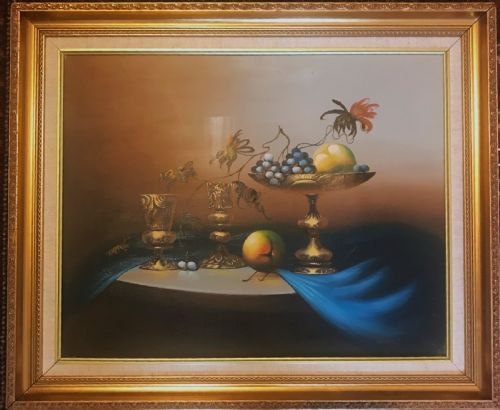
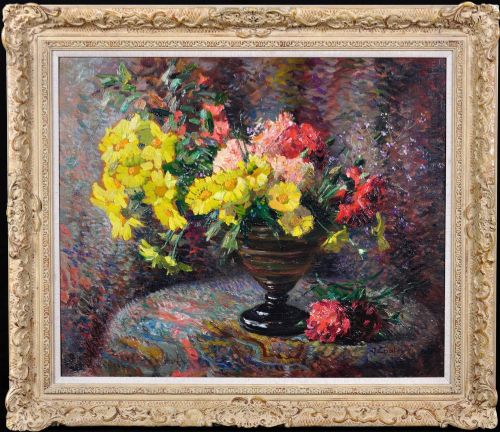
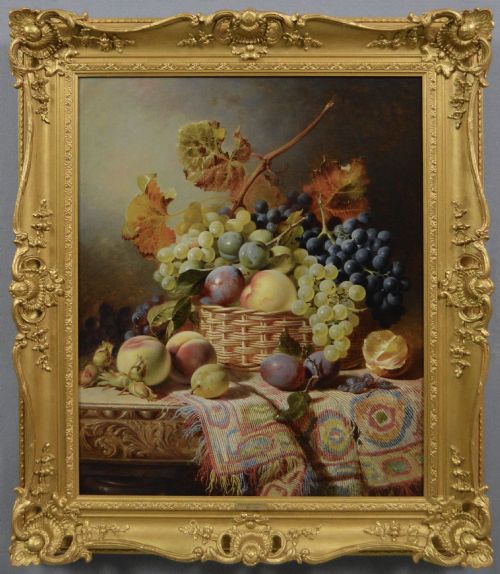
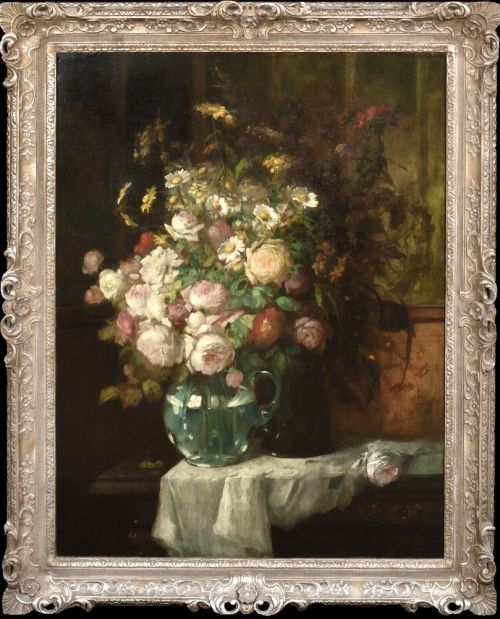
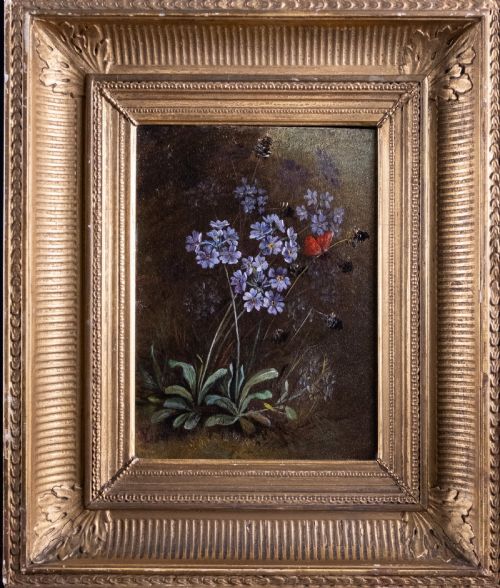
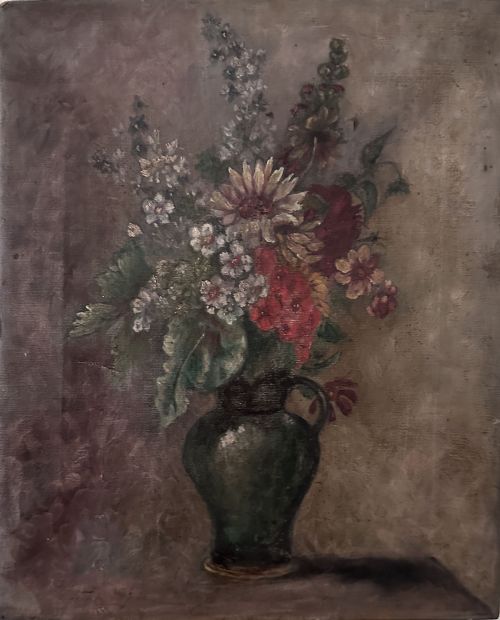
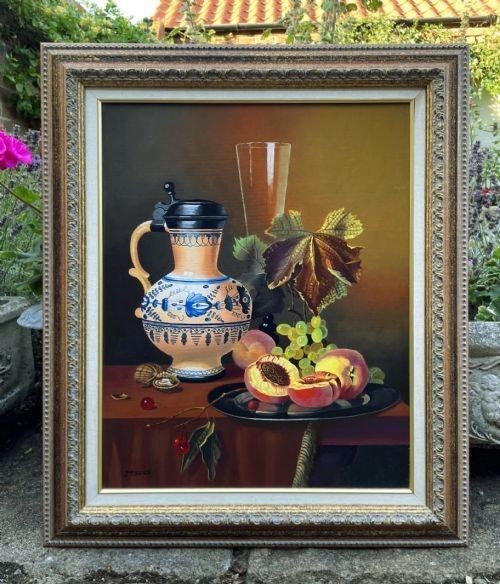
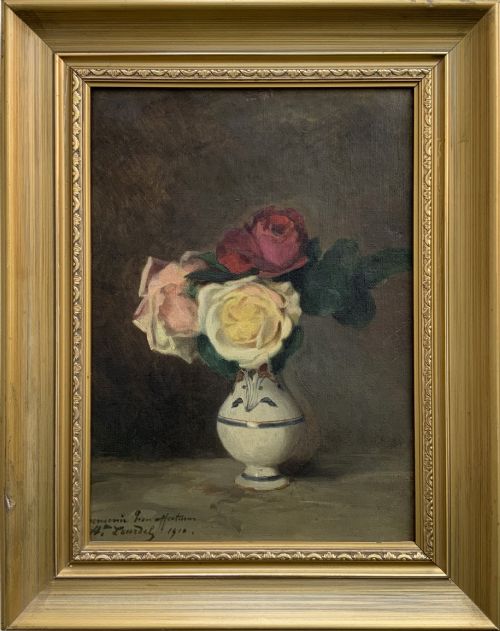
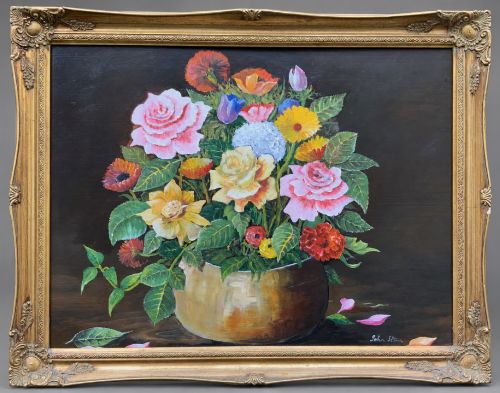
These still life canvases bring domestic interiors to life with oil paint on canvas, framed in wood with gilt and gesso.
Still Life Canvases
Still life canvases capture arranged objects such as fruit, flowers, and banquet items rendered in oil paint on canvas and wood supports. Collectors search for still life canvases to find works spanning the nineteenth century through the mid-twentieth century.
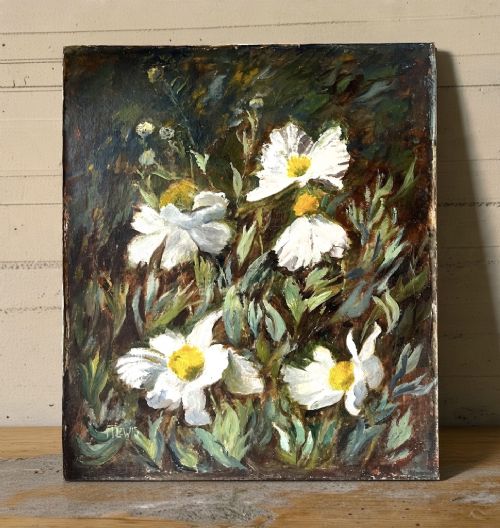
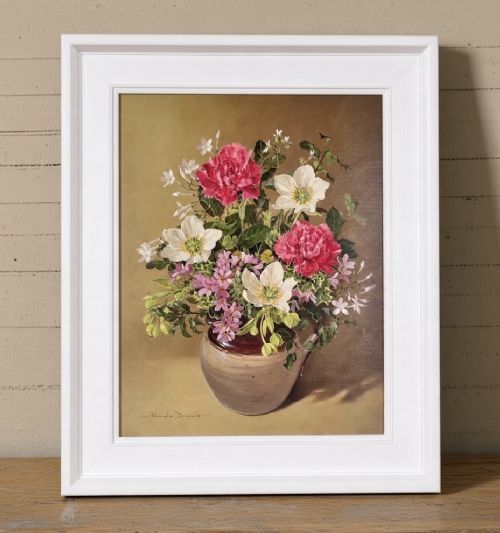
The versions most commonly met on this page include floral arrangements in vases, baskets of wild flowers, and fruit studies set against simple backgrounds. These paintings reflect periods from Victorian and Edwardian times through to mid-century modern and British Impressionism.
Compositions range from intimate studies of daffodils, roses, and berries to large banquet scenes featuring birds and lobsters. These works appear in various forms, including framed oil paintings, wall art, and fine art pieces.
Materials and technique
Painters applied oil paint directly onto stretched canvas and occasionally wood panels, building depth through layered brushwork and colour mixing. These pigments captured the textures of fruit, petals, and woven baskets.
Frames play a structural role, often constructed from wood and finished with gesso, gold leaf, and gilt details to house the canvas securely. These frames range from simple mouldings to ornate decorative borders.
Still Life Canvases Retail Price Guide 2026
Typical asking prices for still life canvases among the pieces listed under this phrase on Sellingantiques today, from the lower quarter to the upper quarter. They describe what is for sale here now, not the wider market.
Several canvases feature unexpected visitors among the fruit and flowers, including observant butterflies, small birds, and scurrying hares.
Evaluating quality
Quality rests upon the confidence of the brushwork and the harmony of the composition, distinguishing accomplished artists from routine decorative studio output. Superior examples display careful handling of light across surfaces like fruit skins and flower petals.
The preservation of the original canvas and the integrity of the accompanying gilt gesso frame influence the overall character of the piece. Untouched surfaces and clear signatures from recorded makers separate the finest works from unsigned school paintings.
John Stone·Theude Grönland·Jozsef Molnar·Angelo Maria Crivelli·Edward Ladell·Konstantin Stoitzner·Edwin Steele
The Still Life Canvases Glossary
- Canvas
- A heavy woven fabric stretched across a wooden frame to serve as a sturdy support for oil painting.
- Gesso
- A plaster mixture applied to wooden frames as a smooth base before gilding with gold leaf.
- Impressionism
- An art style focused on loose brushwork and the accurate depiction of light rather than strict realism.
- Oleograph
- A mechanical colour print on canvas that simulates the appearance of an oil painting.
Still Life Canvases: Frequently Asked Questions
How do I date a still life canvas?
Dating relies on the style of the painting, the construction of the wooden stretcher, and the framing techniques used. Victorian and Edwardian works often feature tighter realism, whereas mid-century examples lean towards impressionist brushwork.
Examining the canvas weave and any signatures or dealer labels on the reverse provides further clues to the period of creation.
Where should I hang a still life painting?
These works suit dining rooms, drawing rooms, and hallways where traditional domestic arrangements complement the subject matter. Placing them away from direct sunlight protects the oil pigments and the gilt frames.
Ensure the wall space allows the frame to sit comfortably without crowding adjacent furniture.
How do I care for antique frames?
Gilt and gesso frames require dusting with a soft, dry brush to prevent the accumulation of dirt within the mouldings. Avoid using liquid cleaners or polishes on gold leaf surfaces.
Maintaining a stable room temperature prevents the wood and gesso from cracking over time.