

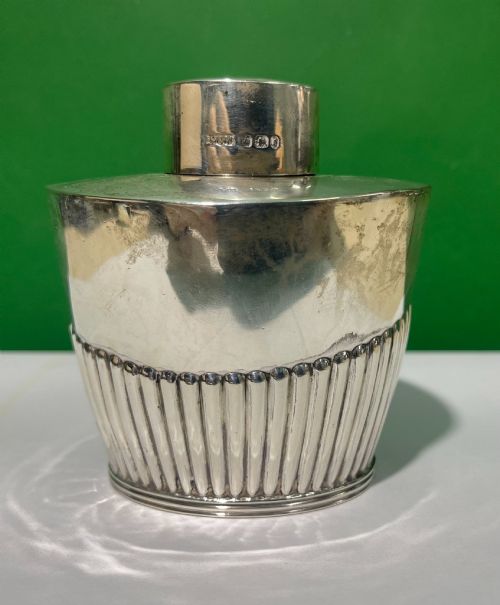
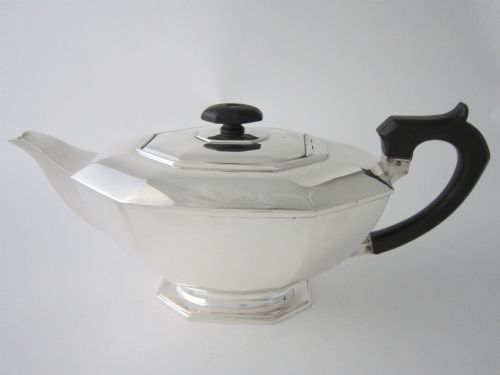

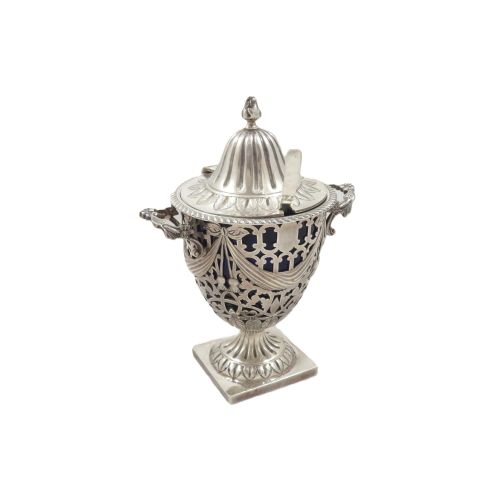
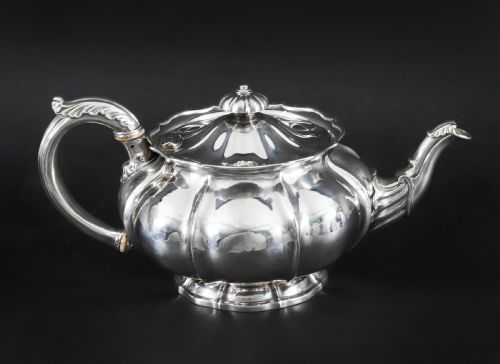
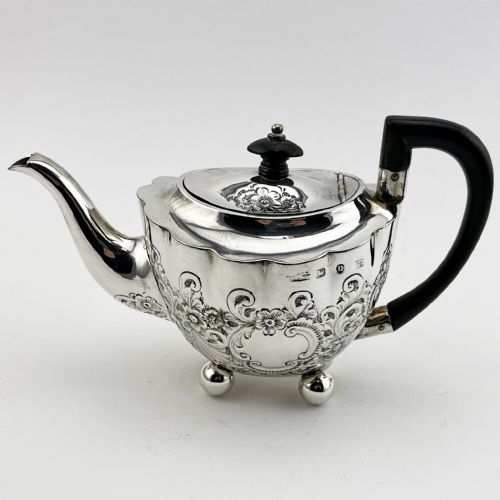


Sterling Tea Pot
These sterling tea pot pieces are solid silver vessels shaped for service across Georgian, Victorian, and Edwardian eras.
Sterling Tea Pot
When you search for a sterling tea pot, you encounter items shaped for hot beverage service across several distinct periods. The selection encompasses full tea and coffee services, miniature chocolate pots, sugar baskets, and coffee biggins alongside standard teapots.
Georgian, Victorian, and Edwardian pieces dominate the offerings, spanning regional English provincial work from Newcastle, Irish silver, and major London pieces. Forms range from compact bachelor teapots to extensive boxed sets complete with original fitted cases.
The objects reflect changing domestic habits from the early nineteenth century onward, including William IV, Regency, and Art Deco design influences. Many incorporate complementary vessels to form matching sets for formal entertaining.
What varies in quality
Distinctions in quality rest on the weight of the silver, the crispness of the chased or engraved ornament, and the integrity of the maker's mark. Pieces bearing marks from prominent silversmiths command attention for their substantial gauge of metal and precise balance.
The survival of original fitted cases, matching stands, and supplementary pieces such as sugar urns elevates the status of a service. Craftsmanship in the insulation joints on handles and the secure fitting of hinged lids further distinguish superior examples.
Sterling Tea Pot Retail Price Guide 2026
Typical asking prices for sterling tea pot among the pieces listed under this phrase on Sellingantiques today, from the lower quarter to the upper quarter. They describe what is for sale here now, not the wider market.
Listings feature items from the Georgian, Victorian, and Edwardian periods, constructed in sterling silver with wood, bone, and cobalt glass.
Paul Storr·Joseph Craddock·Robert Hennell II·Harry Atkin
The Sterling Tea Pot Glossary
- Sterling silver
- A silver alloy containing 92.5 percent pure silver and 7.5 percent other metals, usually copper, ensuring structural durability for hollowware.
- Silver-gilt
- Silver objects that have been coated with a thin layer of gold on the interior or exterior surfaces, providing a rich contrasting finish.
- Ebonised wood
- Timber treated with a dark stain to resemble ebony, frequently utilised for teapot handles and finials to resist heat.
- Coffee biggin
- A tall coffee pot fitted with an internal fabric or metal filter bag for brewing the beverage directly within the vessel.
- Provincial silver
- Silverware manufactured and assayed outside of London, often bearing regional marks from cities such as Newcastle or Dublin.
Sterling Tea Pot: Frequently Asked Questions
How do I date an antique silver teapot?
Dating relies primarily upon the hallmarks stamped into the metal, which include city marks, date letters, and standard marks indicating the purity of the silver. Stylistic indicators such as neoclassical motifs or Art Deco geometry provide additional contextual clues regarding the period of manufacture.
Maker's marks further narrow the timeline when cross-referenced with historical silversmith records. Comparing the form against known Georgian, Victorian, or Edwardian examples helps confirm the era.
Why do some teapots have wooden handles?
Wood and ebonised wood were chosen for handles and finials because they act as thermal insulators. This prevented the heat of boiling water from transferring to the handler during tea service.
These insulating elements were often pinned or socketed into silver sockets attached to the body. Their survival in original condition contributes to the historical integrity of the piece.
What is a bachelor teapot?
A bachelor teapot is a smaller scale vessel designed to brew a single portion or small quantity of tea for one person. They appeared frequently during the Victorian period alongside matching miniature tea wares.
Despite their diminutive size, they exhibit the same construction methods and decorative detailing as full-scale family teapots.
How should I clean antique sterling silver?
Cleaning requires gentle washing in warm soapy water using a soft cloth, followed by thorough drying to protect the surface. Avoid harsh abrasive cleaners or dips that strip the natural patina accumulated over centuries.
Occasional application of a reputable silver polish helps maintain the finish without wearing down engraved details or hallmarks.