


Sterling Silver Trinket Dishes
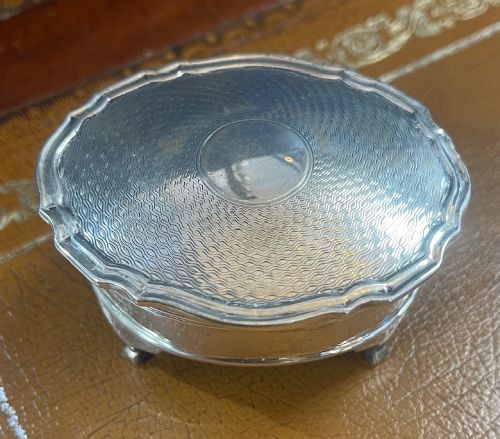
Sterling silver trinket dishes gather dressing table dressing and small keepsakes, ranging from modest Edwardian pin trays to substantial lidded boxes.
Sterling Silver Trinket Dishes
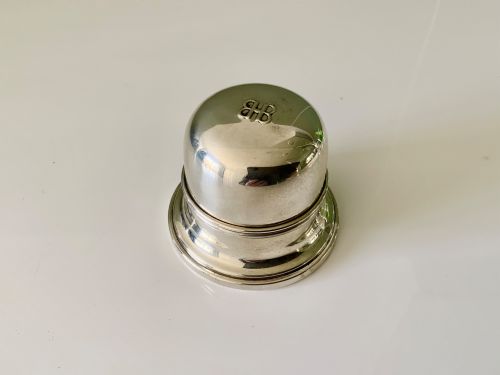
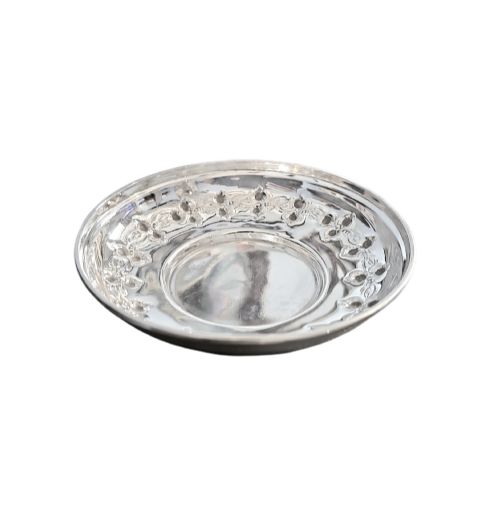
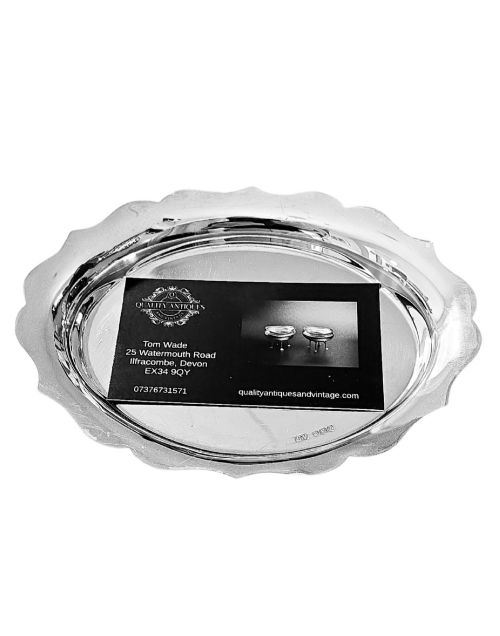
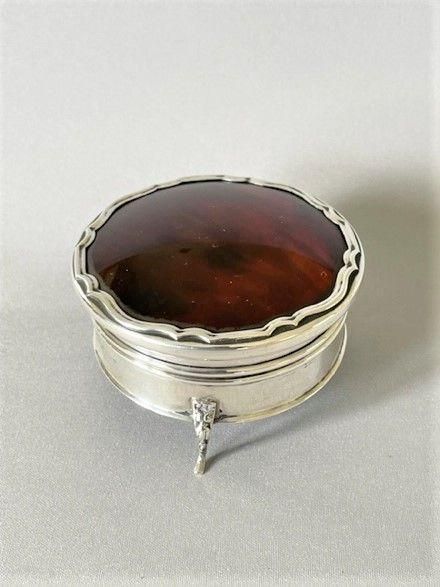
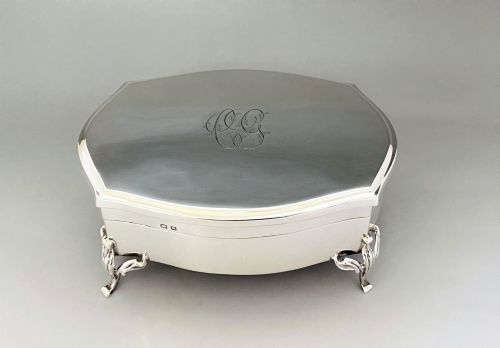
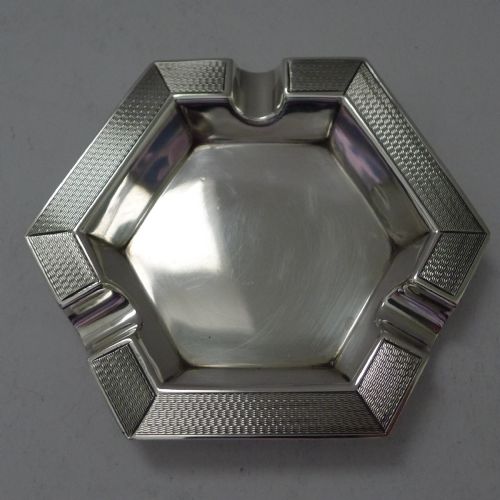
Sterling silver trinket dishes encompass a variety of small vessels, including bonbon dishes, card trays, pin dishes, and lidded boxes designed to hold small personal items. The pieces seen here span the Victorian, Edwardian, George V, and Art Deco periods, extending into mid-century modern designs.
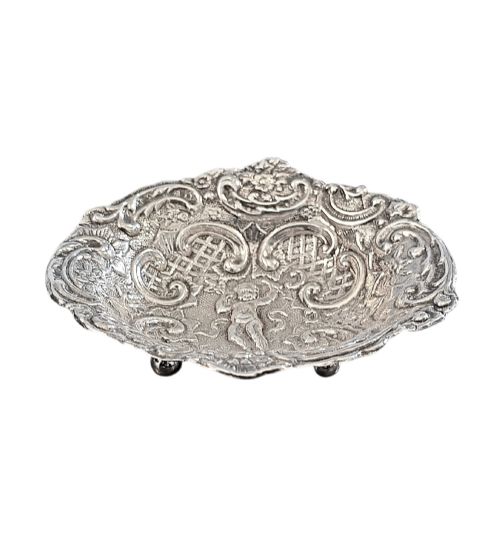
Makers utilised diverse forms, from flat decorative trays with repoussé floral motifs to lidded glass pots and novelty shapes like rowing boats or coin dishes. English provincial assay offices, particularly Birmingham and Sheffield, produced a large proportion of these domestic items.
The domestic scale of these objects reflects their original placement on dressing tables, sideboards, and desk tops. Collectors encounter both open dishes meant for display and lidded boxes lined with gilt or fitted with compartments.
Materials and construction
Silversmiths constructed these pieces primarily from solid sterling silver, frequently combining the metal with glass, tortoiseshell, or vitreous enamel to add colour and texture. Satin glass and cranberry glass bodies appear beneath pierced or pierced-and-engraved silver mounts.
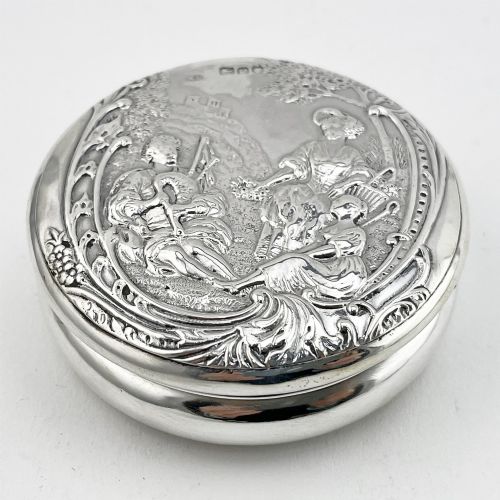
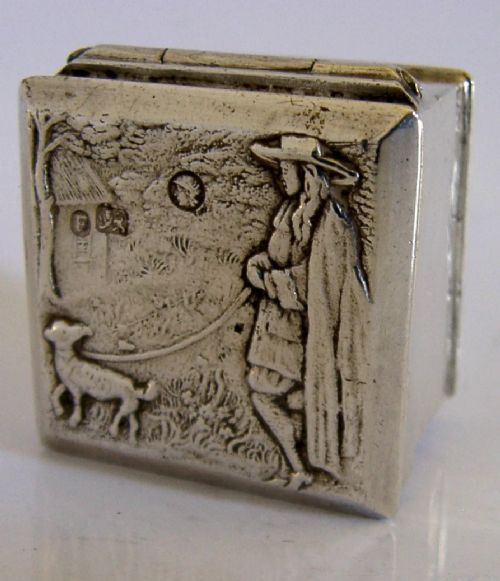
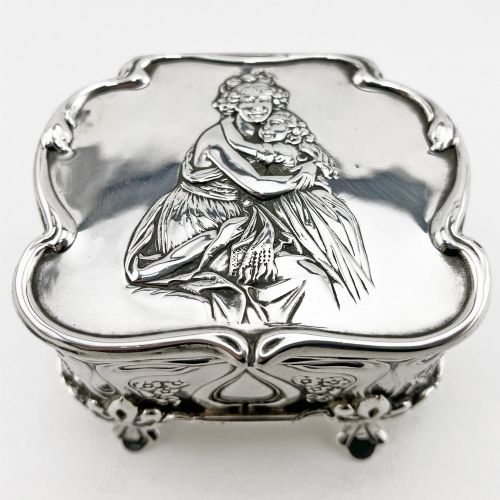
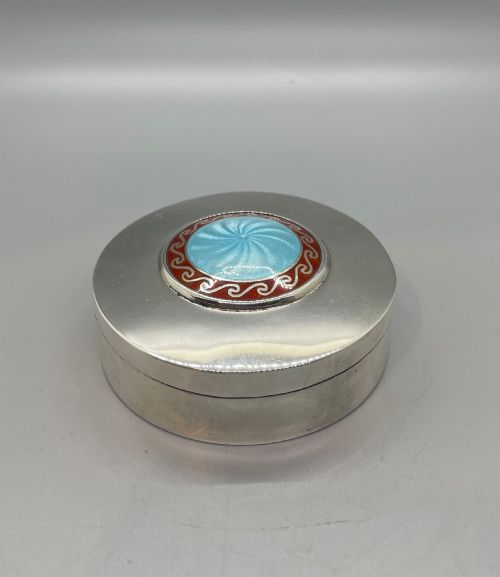
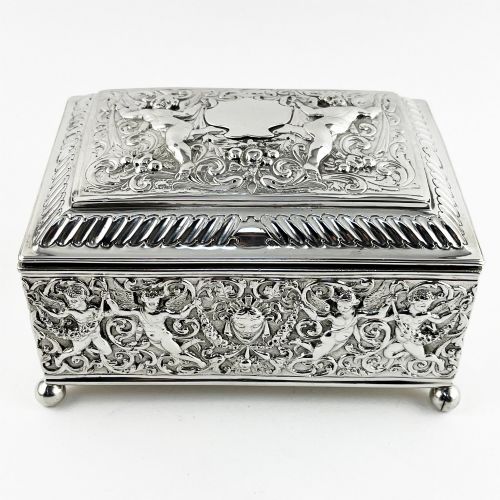
Techniques such as repoussé and chasing created raised floral and figurative scenes on lids and tray borders, seen in the work of makers like William Comyns. Enamelling methods, including guilloche, introduced translucent coloured patterns over engine-turned silver grounds.
Sterling Silver Trinket Dishes Retail Price Guide 2026
Typical asking prices for sterling silver trinket dishes among the pieces listed under this phrase on Sellingantiques today, from the lower quarter to the upper quarter. They describe what is for sale here now, not the wider market.
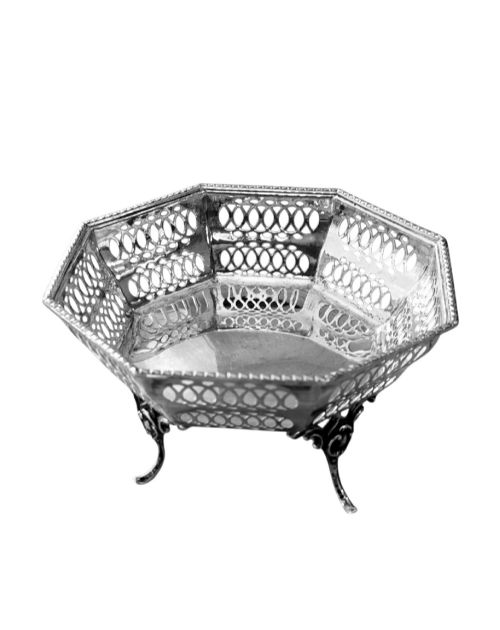
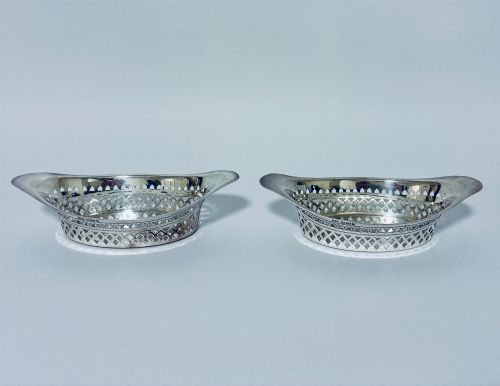
Object forms range from traditional pin trays and sweetmeat baskets to novelty rowing boat dishes and castle top table boxes.
Assessing the pieces
Quality rests upon the crispness of the chasing and repoussé work, the weight of the solid silver, and the preservation of secondary materials like enamel or tortoiseshell. Crisp detailing in figurative scenes, such as angels or bagpipe players, indicates superior craftsmanship.
The integrity of hallmarks stamped into the metal confirms the assay office, date letter, and maker's mark, anchoring the piece to a specific workshop and period. Pieces retaining intact gilt interiors or unblemished glass bodies demonstrate higher levels of original preservation.
Synyer and Beddoes·William Aitken·Emile Viner·Thomas Bradbury and Sons·William Neale·A. Bromet and Co·Liberty and Co·Wallace·William Comyns·Robert Pringle and Sons·A and J Zimmerman Ltd
The Sterling Silver Trinket Dishes Glossary
- Repoussé
- A metalworking technique where the silversmith hammers the design from the reverse side to create a raised relief on the front. This method was widely used on Edwardian trays and boxes.
- Guilloche
- An ornamental pattern produced by a mechanical lathe that etches precise geometric designs into metal. Translucent enamel is often applied over this work.
- Bonbon dish
- A small, open vessel created specifically to hold confectionery or sweetmeats. These dishes frequently feature pierced or openwork rims.
- Hallmark
- A series of official marks stamped onto silver items to guarantee the metal purity and indicate the maker, assay office, and year of production.
- Castles top
- A descriptor for a box lid featuring a detailed, cast or repoussé architectural depiction of a historic building or country house.
Sterling Silver Trinket Dishes: Frequently Asked Questions
What were sterling silver trinket dishes used for?
These small vessels served a practical and decorative role on Victorian and Edwardian dressing tables, holding pins, rings, and small pieces of jewellery.
They also accommodated sweets, calling cards, and pocket watch accessories, keeping loose items organised in bedrooms and hallways.
How do I identify the date of a silver dish?
Assay office marks and date letters stamped directly into the silver provide the exact year and location of manufacture.
Additional clues include the prevailing style, such as Art Nouveau sinuous lines or Edwardian rococo revival motifs.
What is the difference between a tray and a box?
Trays are open vessels designed for holding visiting cards, pins, or small items in plain sight on a surface.
Boxes include lids, sometimes featuring glass, tortoiseshell, or velvet linings, intended to conceal and protect personal treasures.
How should I clean silver with enamel or tortoiseshell?
Gentle dusting with a soft, dry cloth preserves delicate enamel and tortoiseshell panels without risking abrasion.
Standard silver dips must be avoided, as liquid chemicals damage organic inlays and compromise coloured glass or enamel finishes.