


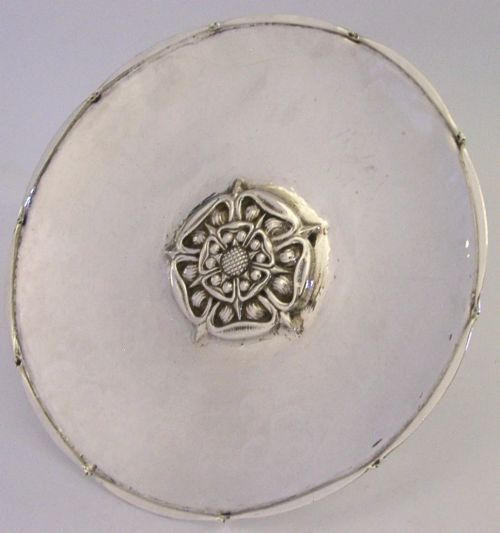
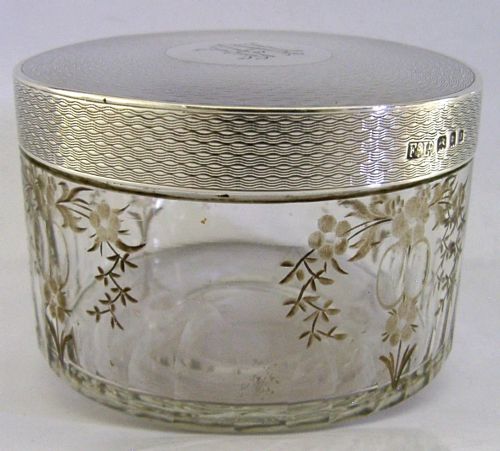
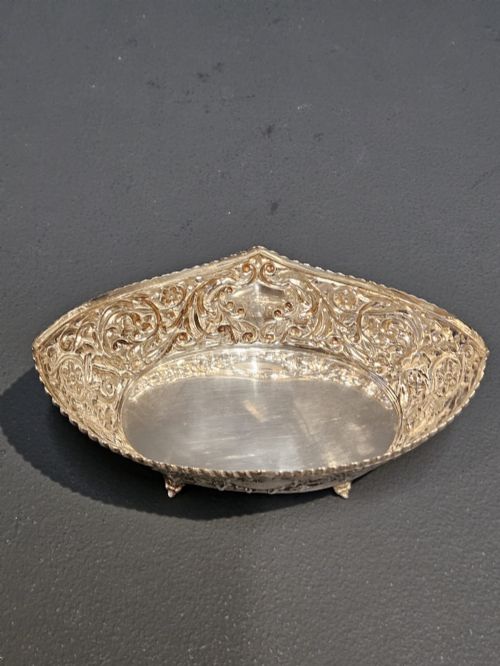
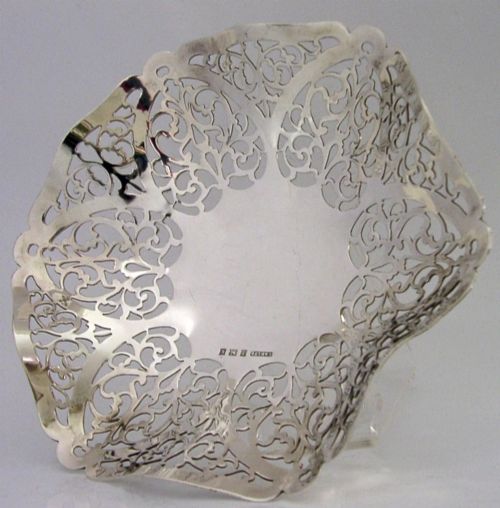

Sterling Silver Trinket Bowl
These sterling silver trinket bowls span the Victorian, Edwardian and Art Deco periods, bringing small-scale silversmithing and dressing table elegance to modern interiors.
Sterling Silver Trinket Bowl
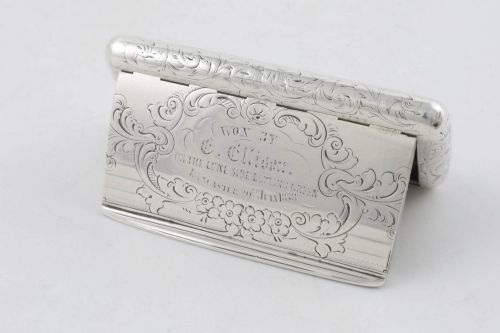
A sterling silver trinket bowl encompasses small lidded pots, open bonbon dishes, shallow pin trays and dressing table jars intended for dressing tables and sideboards. These pieces originate primarily from British assay offices including London, Birmingham and Edinburgh, alongside occasional American and Scandinavian examples.
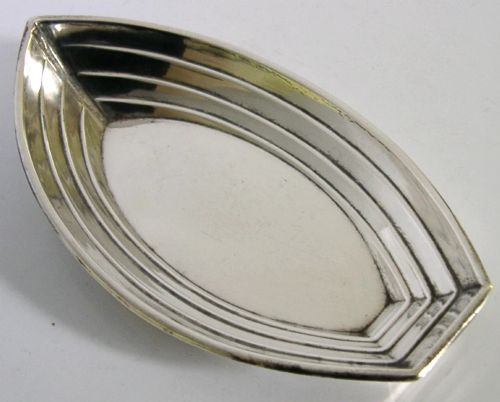
The selection ranges from straightforward nineteenth-century Victorian silverware to geometric Art Deco designs and mid-century modern Scandinavian work. Open dishes and covered boxes dominate the forms, frequently paired with glass, crystal or enamel inserts.
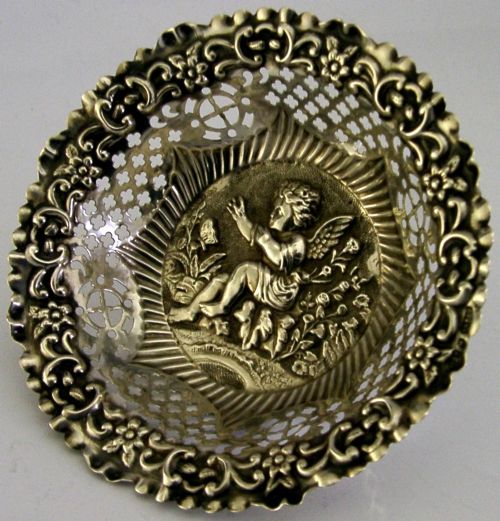
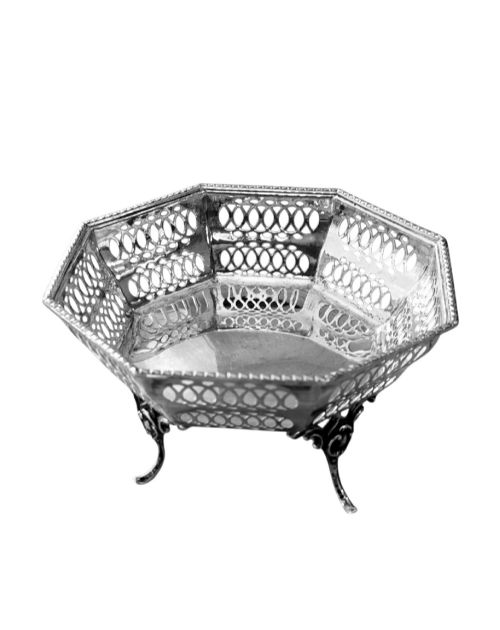
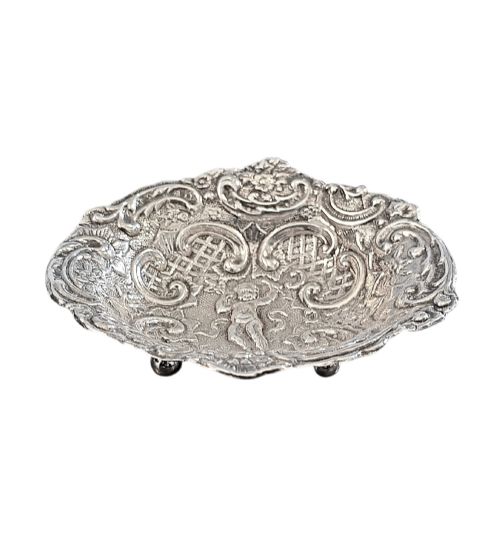
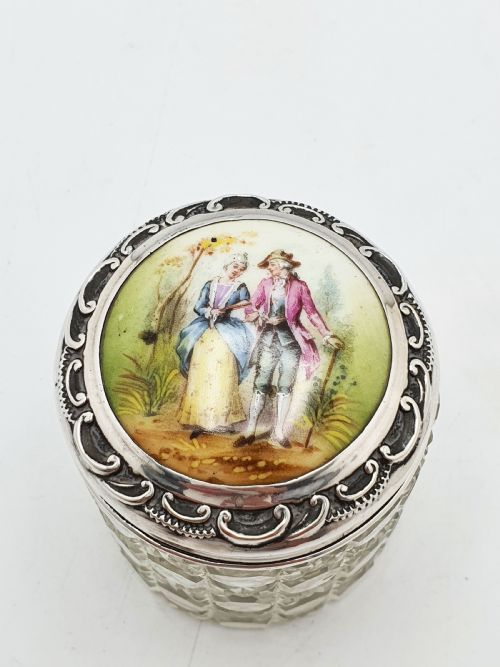
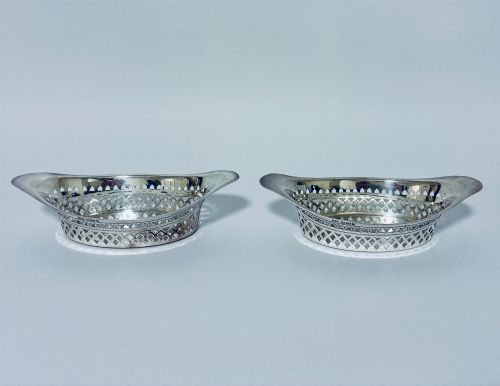
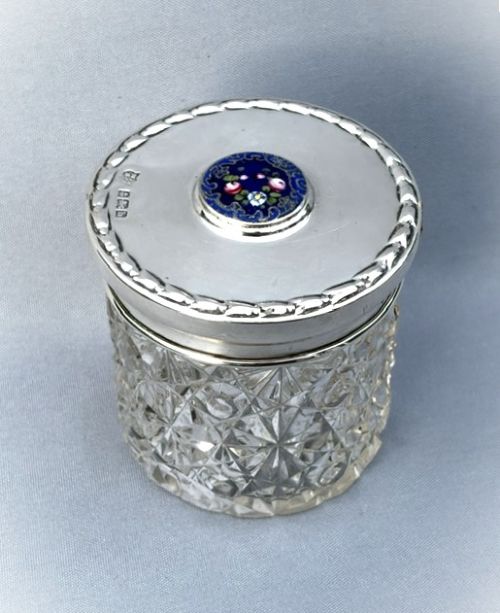
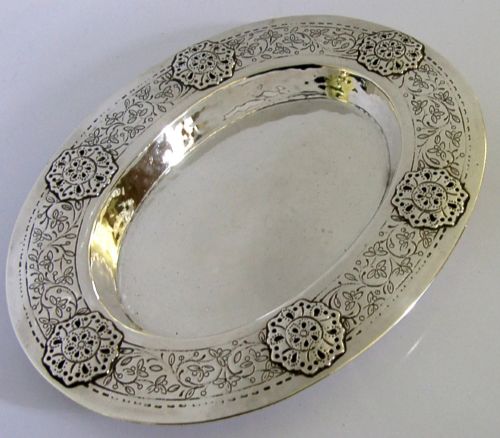
Victorian and Edwardian examples often feature pierced decoration or embossed scrollwork, while later pieces lean towards clean lines and coloured enamel surfaces. Buyers encounter everything from simple pin trays to substantial cut crystal boxes fitted with heavy sterling silver lids.
Materials and Technique
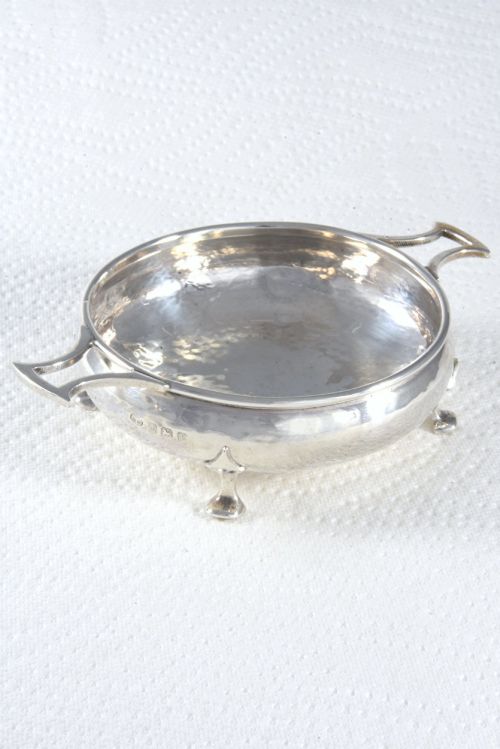
Silversmiths constructed these vessels using solid sterling silver, frequently combining the metal with cut glass bodies, tortoiseshell panels or vitreous enamel. Assay office hallmarks stamped directly into the metal record the year of creation and the city of testing.
Techniques varied from hand-beaten Arts and Crafts hammering to precision cutting on crystal glass jars and meticulous enamel application. Lidded boxes often relied on internal collar mounts to secure the sterling silver covers tightly against glass or crystal bases.
Sterling Silver Trinket Bowl Retail Price Guide 2026
Typical asking prices for sterling silver trinket bowl among the pieces listed under this phrase on Sellingantiques today, from the lower quarter to the upper quarter. They describe what is for sale here now, not the wider market.
Materials appearing across the inventory include solid sterling silver, cut glass, tortoiseshell, enamel, citrine and silver plate.
Standards of Craftsmanship
Quality rests upon the weight of the sterling silver, the crispness of chased or pierced ornamentation, and the preservation of secondary materials like enamel and tortoiseshell. Thicker gauge silver maintains its structural integrity and resists denting along delicate rims.
The integration of contrasting elements dictates the refinement of the piece, visible in the snug fit of a lidded mount or the clarity of cut crystal bodies. Intact coloured enamel without stress fractures and clear, legible hallmarks distinguish superior examples from standard production.
Liberty & Co·Walker & Hall·Henry Williamson Ltd·Wallace
The Sterling Silver Trinket Bowl Glossary
- Hallmark
- Official stamps struck into precious metals to guarantee purity and origin. These marks typically include the maker's mark, standard mark, town mark and date letter.
- Bonbon dish
- A small open vessel originally designed for holding sweets or confectionery. They frequently stand on small pedestal feet or feature pierced swing handles.
- Pot pourri box
- A lidded vessel with a pierced or perforated top intended to diffuse scented dried plant material. These containers often take the form of small baskets or round bowls.
- Tortoiseshell
- The mottled brown material derived from the shell of marine turtles, utilised as an inlay panel on silver dressing table boxes. It is frequently piqué with fine silver wire.
- Trinket box
- A covered container designed for storing small items of jewellery or personal accessories. They appear in circular, oval and rectangular formats across multiple decades.
Sterling Silver Trinket Bowl: Frequently Asked Questions
What were sterling silver trinket bowls used for?
These vessels served primarily on dressing tables and desks to hold rings, pins, hair ornaments and loose change. Covered boxes protected delicate items from dust, while open dishes kept frequently worn jewellery within arm's reach.
Wealthy households used specialised bonbon dishes and potpourri bowls in entertaining spaces and living rooms. Over time, their domestic function shifted from utilitarian dressing table accessories to decorative display pieces.
How do I date a silver trinket bowl?
Dating relies upon the hallmarks struck into the sterling silver surface, which identify the assay office and the specific year of testing. British silver uses an annual letter code that changes according to the alphabet cycles of each city office.
Stylistic indicators also help narrow down the period when hallmarks are rubbed or absent. Victorian pieces favour ornate floral scrollwork, whereas Art Deco examples display geometric lines and coloured enamel.
Are enamel sections fragile?
Vitreous enamel is essentially powdered glass fused to metal under high heat, making it susceptible to impact damage and deep scratching. Care must be taken to avoid dropping these items or exposing them to sharp blows.
When handled with reasonable care, enamel survives decades without losing its vivid colour. Cleaning requires soft cloths and mild solutions rather than abrasive silver dips that can dull the glassy surface.
Can I use these bowls daily?
Solid sterling silver and cut glass bowls tolerate everyday use for holding modern jewellery or small desktop accessories. The sturdy construction of these vessels makes them well-suited for regular functional service.
Pieces incorporating delicate tortoiseshell panels or fragile enamel lids require gentler handling during daily routines. Placing them on soft surfaces helps protect both the furniture and the base of the silver vessel.