




Sterling Silver Sugar Box
These sterling silver sugar boxes are charming receptacles for sweet granules, offering collectors whimsical animal forms and historic craftsmanship.
Sterling Silver Sugar Box
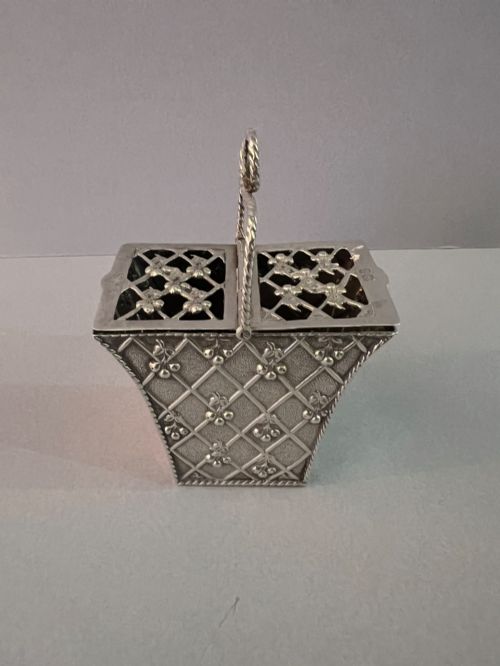
A sterling silver sugar box is a specialised container designed for storing and serving refined sugar during tea service. When searching this phrase, buyers encounter varied forms ranging from traditional domestic vessels to whimsical figural boxes.
The pieces on this page span the Victorian, Edwardian, and early twentieth-century periods, alongside German Historicism styles. Many examples take the shape of animals such as owls, goats, squirrels, and stags, while others represent utilitarian boxes from periods including the First World War.
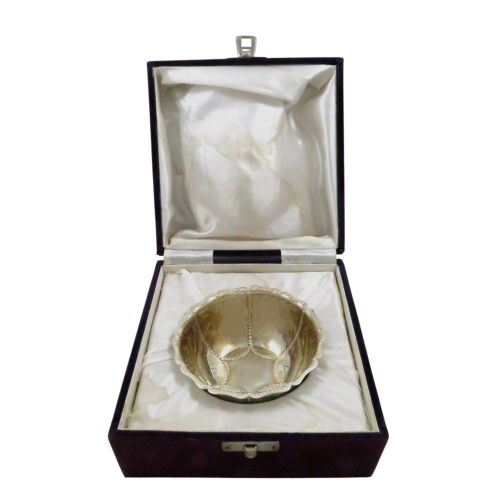
Origins include English and German workshops, with several items housed in fitted cases lined with velvet, silk, or leatherette. Alongside dedicated boxes, the selections incorporate related tea service items and individual ration containers.
How they were made
These items are fashioned primarily from sterling silver, utilising traditional silversmithing techniques such as casting, hammering, and detailed chasing. Figural boxes like the animal subjects require precise modelling to create textured fur and hinged compartments.
Internal linings utilise materials like velvet, satin, silk, leather, and leatherette within fitted presentation cases. Glass elements also appear in related tableware, while select pieces incorporate silver-gilt finishes.
Sterling Silver Sugar Box Retail Price Guide 2026
Typical asking prices for sterling silver sugar box among the pieces listed under this phrase on Sellingantiques today, from the lower quarter to the upper quarter. They describe what is for sale here now, not the wider market.
Several boxes take the exact shape of woodland creatures, meaning a silver squirrel or stag guards your sugar.
What varies in quality
Quality in these containers rests upon the crispness of the chased detail, particularly on figural animal models where fur texture and anatomical proportion dictate the piece's sculptural merit. The structural integrity of hinges and the precision of the lid closure further distinguish finer examples.
The presence of original fitted cases lined in materials such as velvet or silk elevates the desirability of a box. Maker attribution and clear hallmarks from regional assay offices provide additional markers of distinction across the selection.
The Sterling Silver Sugar Box Glossary
- Sterling silver
- An alloy comprising a high proportion of pure silver combined with other metals for durability. This standard material forms the body of the boxes and associated cutlery.
- Silver-gilt
- Silver that has been coated with a thin layer of gold on its surface. This technique provides a rich interior or decorative contrast.
- Chasing
- A metalworking technique where the smith pushes metal from the front using punches to create raised surface designs. It defines the textural details on figural boxes.
- Assay office
- A regulatory body that tests precious metals and applies official hallmarks. Marks indicate the standard of purity and the location of testing.
- Historicism
- An artistic style that draws inspiration from the historic art and architecture of earlier eras. German pieces on this page often reflect these revived historical aesthetics.
Sterling Silver Sugar Box: Frequently Asked Questions
What is a sterling silver sugar box?
A sterling silver sugar box is a container made to hold sugar for the table or tea service. They range from utilitarian boxes to figural animal sculptures.
Historically, these boxes sat alongside teapots and cream jugs to complete a formal tea set. Today they serve as decorative display pieces or cabinet items.
How were sugar boxes used?
These boxes held sugar rations or refined sugar lumps for domestic tea drinking. Wealthy households displayed them to signal status and hospitality.
During wartime periods, smaller individual boxes were utilised to manage specific rations. The hinged lids allowed easy access while keeping the contents secure.
How do I care for silver sugar boxes?
Keep the silver clean using appropriate polishing cloths designed for precious metals to prevent tarnishing. Avoid abrasive cleaners that can damage fine chased details.
Store pieces away from high moisture environments, especially those with fabric-lined fitted cases. Handle figural boxes carefully by their main bodies rather than delicate hinges or protruding elements.
How do I date an antique sugar box?
Examine the hallmarks stamped on the silver, which reveal the assay office, date letter, and purity standard. Stylistic clues also help place an object within Victorian, Edwardian, or later twentieth-century periods.
German pieces often carry different marks such as crescent and crown symbols. Comparing the form against known examples from historical periods narrows down the decade of manufacture.