



Sterling Silver Spice Pot
These sterling silver spice pot selections are small tableware vessels crafted to hold seasonings, and collectors prize them for their fine metalwork and domestic history.
Sterling Silver Spice Pot
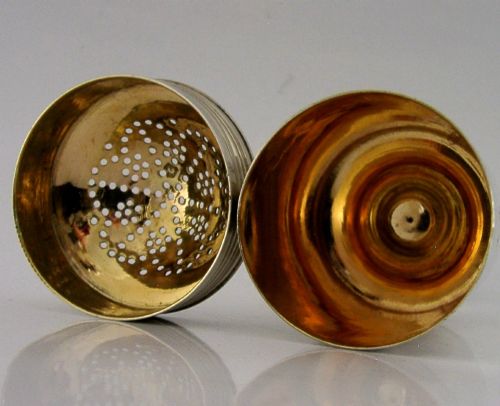
When you search for a sterling silver spice pot, you are looking at small silver containers designed for the dining table, though the listings here span several related forms. You will most frequently encounter pepper pots, mustard pots, condiment sets, and novelty shakers shaped as owls, foxes, or dragons.
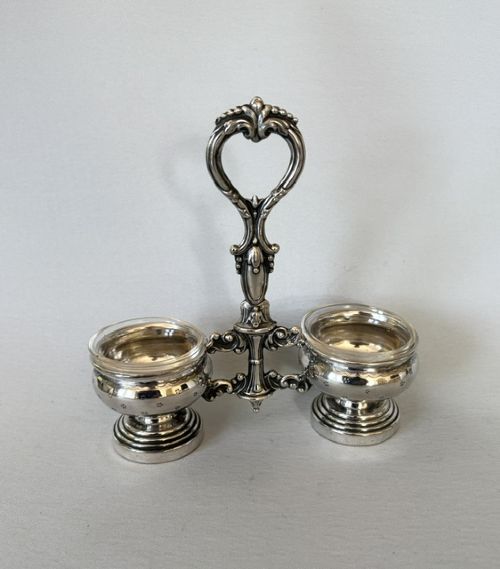
The pieces originating from this selection date across the Georgian, Victorian, and Edwardian periods, alongside later twentieth-century examples in George V and Art Deco styles. While some stand alone as single casters, others appear paired or housed within larger condiment stands alongside cut glass components.
How they were made
Makers shaped these small containers primarily using sterling silver, frequently combining the metal with clear cut glass bodies to hold the contents securely. Certain pieces incorporate silk and leatherette linings, particularly within fitted condiment sets designed for safe storage.
Techniques range from traditional Georgian casting and piercing to Victorian novelty shaping, where artisans rendered animal forms like owls and foxes with detailed chased textures.
Sterling Silver Spice Pot Retail Price Guide 2026
Typical asking prices for sterling silver spice pot among the pieces listed under this phrase on Sellingantiques today, from the lower quarter to the upper quarter. They describe what is for sale here now, not the wider market.
Dining tables of the past gained unexpected charm from silver owls and foxes standing guard over the dinner spices.
What varies in quality
Quality rests heavily on the crispness of the chasing and the integrity of the original form, especially in novelty pieces where animal details must remain sharp and well-defined. Simple Georgian casters rely on balanced proportions and clean piercing, whereas later pieces depend on the precision of their Art Deco geometric facets.
The presence of matching components in a set elevates a piece above mismatched assemblies, and the clarity of hallmarks adds tangible weight to an item's provenance and material standard.
The Sterling Silver Spice Pot Glossary
- Caster
- A small silver vessel with a pierced top used for sprinkling sugar or spices over food. These often date from the Georgian period.
- Pepperette
- A small container specifically designed for dispensing ground pepper at the table. They frequently take miniature or novelty shapes.
- Condiment Set
- A matching group of vessels holding various table seasonings such as salt, pepper, and mustard. They often sit together on a dedicated silver stand.
- Chasing
- A metalworking technique where the artisan hammers the front surface of the silver to create raised ornamental designs. This method gives Victorian novelty animals their textured coats.
Sterling Silver Spice Pot: Frequently Asked Questions
What were sterling silver spice pots used for?
These small vessels held aromatic spices, sugar, and condiments on dining tables during formal meals. Wealthy households utilised them to display costly seasonings while adding refined metalwork to the table setting.
Over time, specific forms evolved for pepper, mustard, and sugar, each tailored to the texture of the seasoning it contained.
How do I clean sterling silver spice pots?
Clean these pieces gently using a soft microfibre cloth and a specialist silver polish designed to remove tarnish without harming the metal. Avoid harsh scrubbing, particularly around pierced lids and delicate chased details on novelty animal forms.
Store them in a dry environment away from direct sunlight to minimise future tarnishing and protect any glass or silk inserts.
How do I date a silver condiment piece?
Dating relies heavily on the hallmarks stamped into the silver, which indicate the assay office, the year letter, and the maker's mark. Stylistic clues also help, such as the clean lines of Georgian silver versus the elaborate animal forms of the Victorian era.
Consulting standard silver reference guides alongside these official marks provides the most accurate period attribution.