


Sterling Silver Shell Dish
When you handle a sterling silver shell dish, you hold a piece of metalwork that mimics the natural curve of the sea.
Sterling Silver Shell Dish
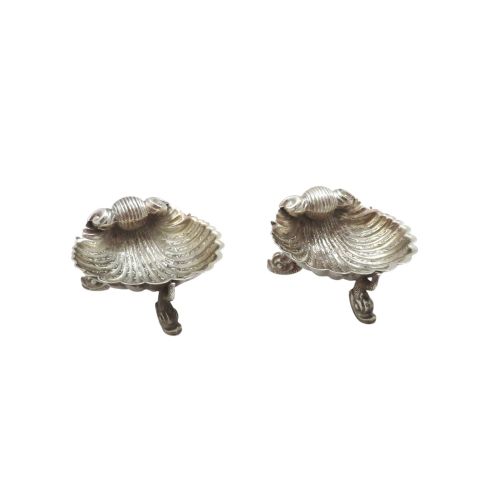
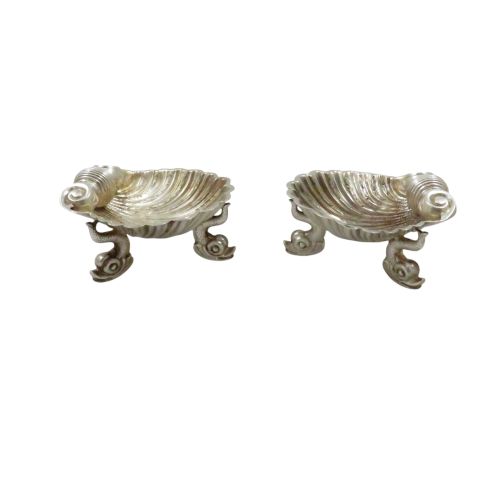
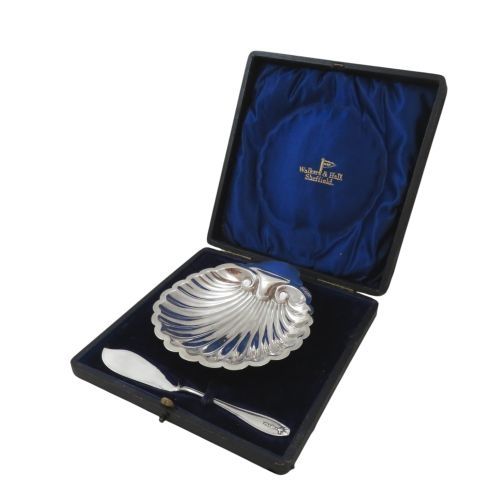
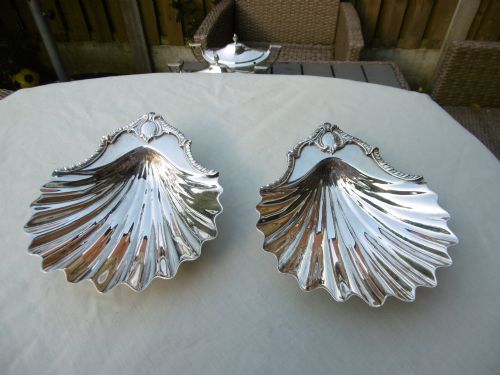
A sterling silver shell dish takes the form of a scallop or natural shell, appearing across centuries of domestic silver production. You will find these pieces taking the shape of small salt cellars with tiny feet, butter dishes fitted into leather or velvet-lined presentation cases, and larger serving bowls or centrepieces.
The form adapts to many table functions, serving as butter dishes, bonbon bowls, trinket trays, or salt cellars. The evidence shows these pieces spanning the Georgian, Victorian, and Edwardian periods, stretching into the mid-twentieth century.
Victorian and Edwardian examples dominate the selection you will encounter, often found in pairs or complete cased sets alongside matching knives. You will also meet older Georgian butter shells and occasional mid-century variations on this marine theme.
How They Were Made
Silversmiths shaped these items from solid sterling silver, occasionally employing silver gilt or combining the metal with tortoiseshell, velvet, silk, and leather for fitted presentation boxes. Many examples display pierced or reticulated detailing along the edges of the bowl, requiring precise saw-work to create openwork patterns.
Cast elements appear frequently, seen in the dolphin feet supporting Victorian salts or the heavy-gauge casting of later decorative bowls and centrepieces. Engraving and repoussé techniques delineate the ribbed flutes and hinge details characteristic of a genuine scallop shell.
Some Victorian salt cellars stand firmly upon tiny cast dolphin feet instead of resting directly on the table surface.
What Varies in Quality
The weight and thickness of the silver gauge define the substance of the dish, separating flimsy pressings from heavy, substantial pieces that retain their structural integrity. Crispness in the chasing of the flutes and the naturalistic definition of the shell lines indicate the skill of the silversmith.
Completeness alters the character of the object, particularly in cased sets where original velvet or silk linings, matching knives, and original boxes remain intact. The presence of clear hallmarks, maker's marks, and period-appropriate cast supports elevates the standing of an individual salt cellar or serving dish.
William Plummer·Goldsmiths Silversmiths·Edward Farrell·Harrison Brothers Howson·J T Younge·Walker Crowder·Atkin Brothers·Mappin Webb
The Sterling Silver Shell Dish Glossary
- Sterling silver
- A silver alloy containing 92.5 percent pure silver and 7.5 percent other metals, usually copper, ensuring durability for tableware.
- Salt cellars
- Small open vessels used to hold salt on the dining table, frequently cast in pairs or sets matching the shell motif.
- Butter shell
- A small dish specifically designed for serving individual portions of butter, often featuring small ball or cast feet to elevate it from the linen.
- Repoussé
- A metalworking technique where the silversmith hammers the silver from the reverse side to form raised relief designs on the front.
- Silver gilt
- Sterling silver that has been coated with a thin layer of gold on the interior surface, providing a rich contrasting finish.
Sterling Silver Shell Dish: Frequently Asked Questions
What were sterling silver shell dishes used for?
These dishes served practical functions on the dining table, holding butter, salt, or small confectioneries during meals. Smaller versions functioned as pin trays or trinket dishes on dressing tables.
Over time, many of these items transitioned into purely decorative bowls or centrepieces, displayed for their form rather than put to domestic use.
How do I identify a Victorian shell dish?
Victorian examples often display crisp cast details like dolphin feet, or feature pierced reticulated borders around the rim of the shell. You will frequently find them grouped as pairs of salt cellars or single butter dishes dating from the mid to late nineteenth century.
Examining the hallmarks stamped into the silver will confirm the exact assay office and the year of manufacture during the reign of Queen Victoria.
Are cased shell dishes older?
Cased sets containing shell dishes and matching knives commonly date from the late Victorian and Edwardian periods, continuing into the early twentieth century. The presence of a fitted velvet, silk, and leather box indicates a presentation piece intended as a gift.
These cased sets survived in good condition because the protective box shielded the silver from daily wear and tarnish over the decades.
How should I clean my silver dish?
Maintenance requires gentle washing with warm soapy water and a soft cloth to remove dust and light handling marks. Avoid harsh abrasive dips that strip the natural patina accumulated over centuries of age.
If the piece includes tortoiseshell or fabric linings, keep moisture away from those sensitive sections to prevent warping or staining.