

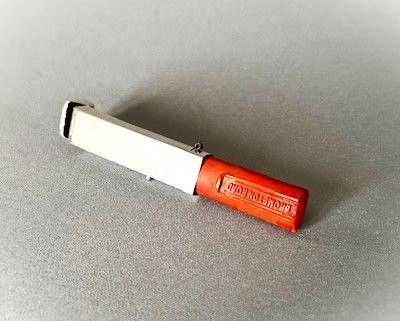


Sterling Silver Seal
These sterling silver seal pieces bring tactile weight and personal history to the desk, offering collectors a tangible link to centuries of correspondence.
Sterling Silver Seal
When you search for a sterling silver seal, you encounter a specialised category of desk accessories spanning several centuries of British craftsmanship. The items on this page range from early seal top spoons and vestas to figural desk seals and sealing wax holders.
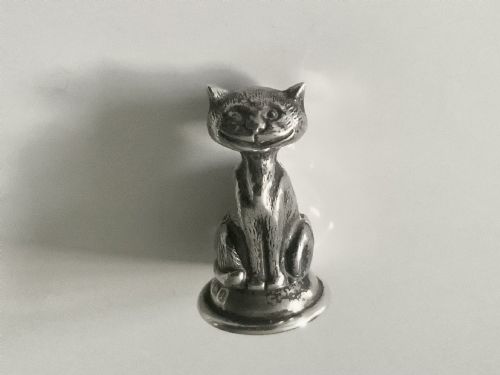
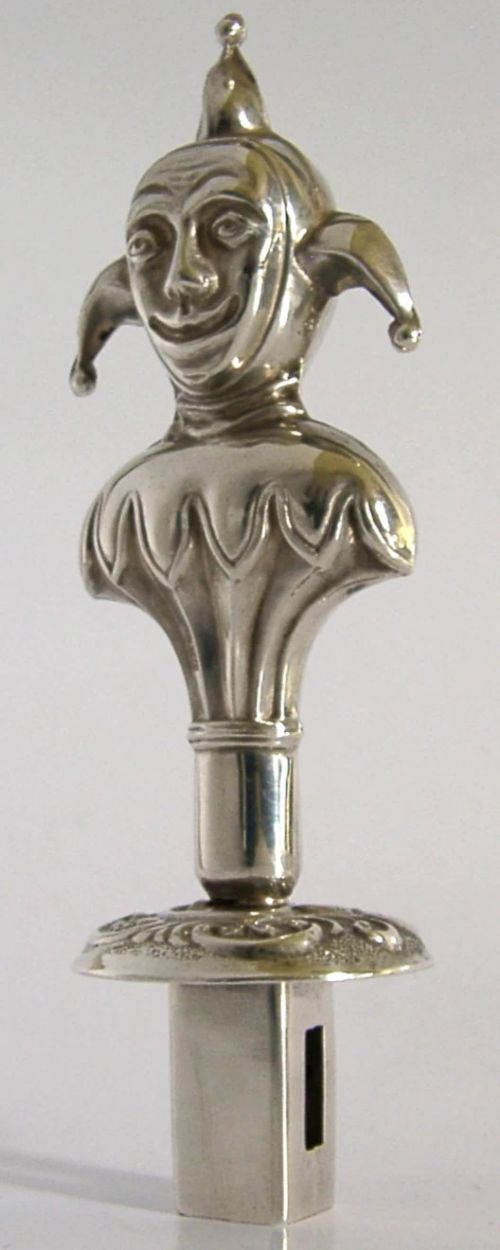
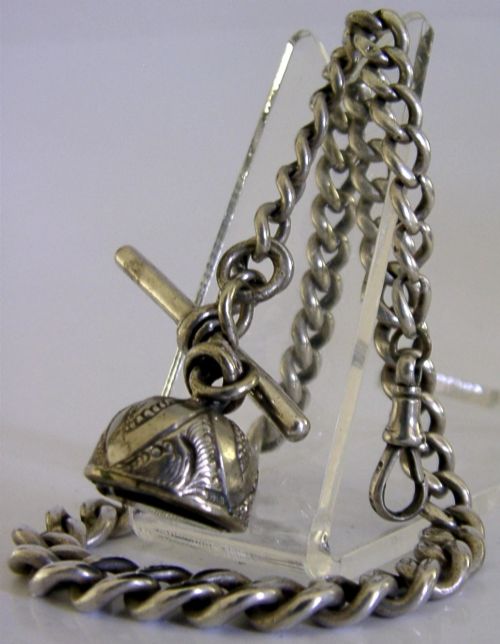
Edwardian novelty pieces, such as animal and character figures, appear frequently alongside traditional Georgian and 17th Century examples. Collectors also find combination items like letter openers and watch chain fobs integrated into the selection.
How They Were Made
Makers shaped these items primarily through casting and solid silver construction, often incorporating functional elements for sealing wax and wicks. Hallmarks stamped into the metal record the assay office, date letter, and maker's mark.
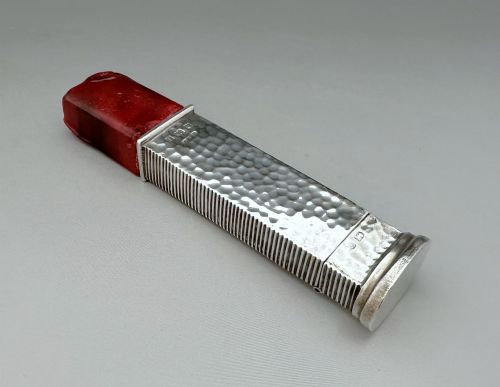
Selected pieces integrate materials such as leather, velvet, sealing wax, and gemstones like green agate or citrine. The integration of these elements demonstrates the detailed approach applied to desk accessories across the Victorian and Edwardian periods.
Listings feature solid sterling silver desk accessories spanning from the 16th Century through to the Edwardian period.
What Varies in Quality
The standard of a sterling silver seal depends largely on the crispness of the casting and the legibility of the hallmarks. Figural novelty designs show distinct levels of sculptural detail in the execution of faces, feathers, and clothing.
Completeness also influences the piece, particularly in combination items retaining original sealing wax, match compartments, or fitted boxes. Items by known makers or featuring well-preserved crests and engraving hold a different position in the market.
Jerimiah Johnson·Sampson Mordan·Robert Hennell·Daniel Cary·Samuel Jacobs
The Sterling Silver Seal Glossary
- Seal top spoon
- A silver spoon with a terminal shaped like a flat-topped seal, common in 16th and 17th Century domestic silver. These items bridge the gap between flatware and desk equipment.
- Vesta case
- A small pocket or desk container designed to hold matches, frequently combined with a sealing wax holder in Edwardian examples. They often feature spring-loaded lids and suspension loops.
- Hallmark
- An official stamp applied to precious metals indicating purity, origin, and date of manufacture. British sterling silver standards remain consistent across the periods represented here.
- Bougie box
- A small container utilised for holding taper candles used in melting sealing wax. These Georgian items sit on the desk alongside larger seal components.
- Fob
- A small ornament attached to a pocket watch chain, frequently cast in solid silver as a desk seal. They allowed owners to carry their personal stamp on their person.
Sterling Silver Seal: Frequently Asked Questions
What is a sterling silver seal used for?
These items were utilised to impress a personal crest, monogram, or mark into molten sealing wax to secure correspondence and documents.
Beyond functional use on the writing desk, many examples served as decorative desk accessories, pocket watch fobs, or dining implements like seal top spoons.
How do I date a silver seal?
Dating relies heavily on the hallmarks struck into the sterling silver, which identify the specific assay office and year of production.
Stylistic markers, such as the Victorian figural designs or Edwardian novelty animal motifs, also provide a reliable guide to the period of origin.
What are novelty desk seals?
Novelty seals are figural pieces shaped as animals, literary characters, or caricatures popular during the Edwardian era. Makers like Sampson Mordan produced these intricate designs to add humour and personality to the writing desk.
Subjects ranged from owls and hatching chicks to figures like Mr Punch and William Shakespeare.
Are sealing wax holders separate from seals?
Some pieces serve solely as holders for sticks of sealing wax, while others combine the wax compartment with a vesta case, a wick holder, or the seal matrix itself.
Combination items allowed writers to keep their matches, wax, and stamp in a single coordinated desk accessory.