
Sterling Silver Portrait Frame
A sterling silver portrait frame holds a cherished photograph while bringing bright metalwork to a desk or mantelpiece.
Sterling Silver Portrait Frame
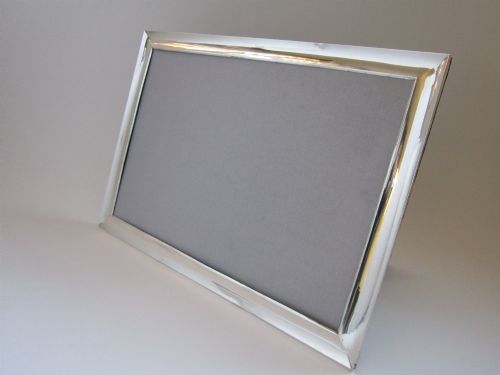
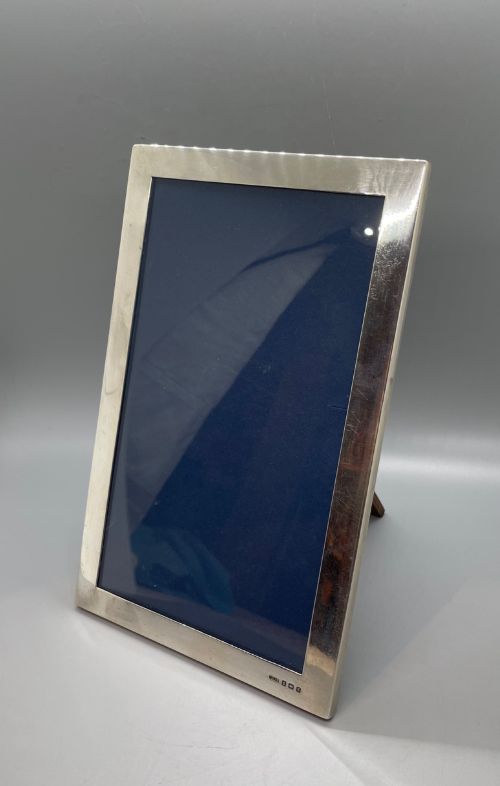
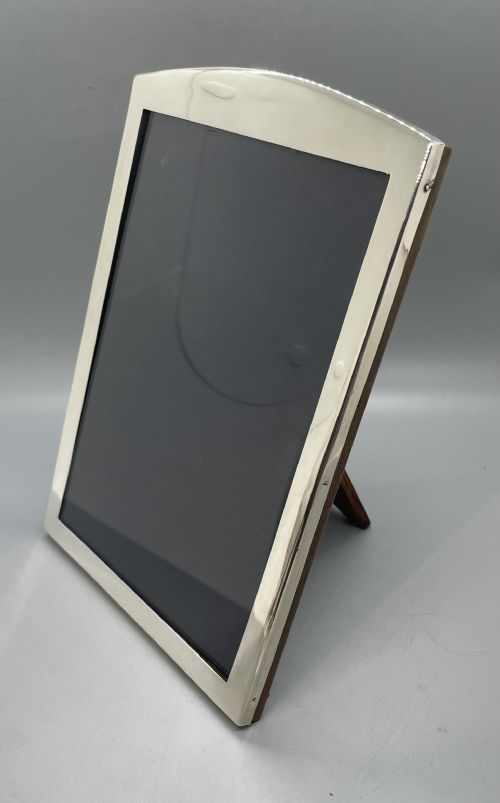
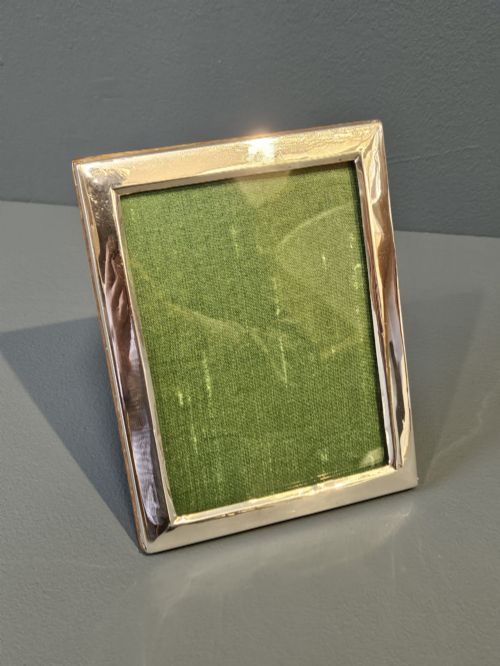
A sterling silver portrait frame stands as a protective mount designed to display photographs in domestic interiors. Buyers examining this page encounter pieces dating from the Victorian and Edwardian eras through the George V period, alongside mid-century examples.
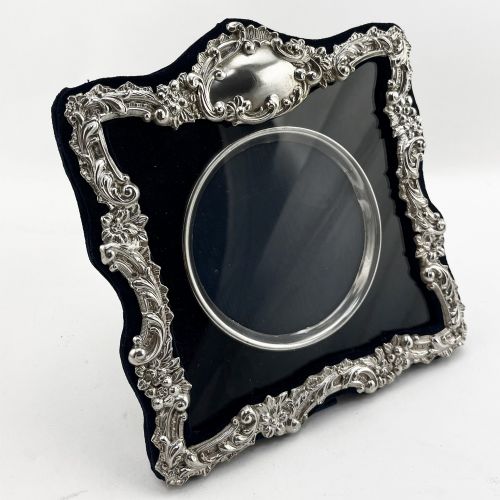
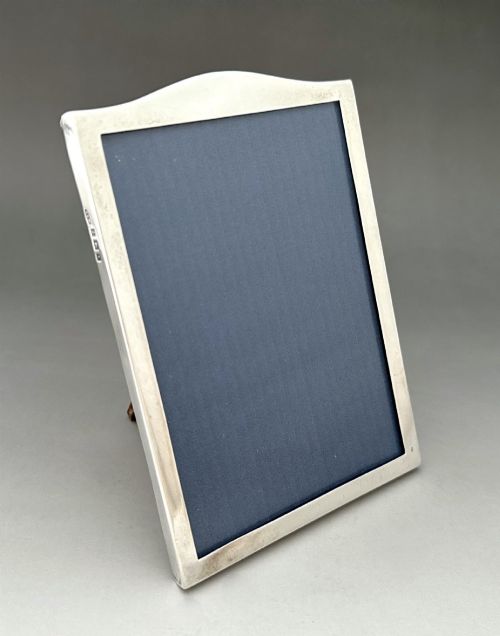
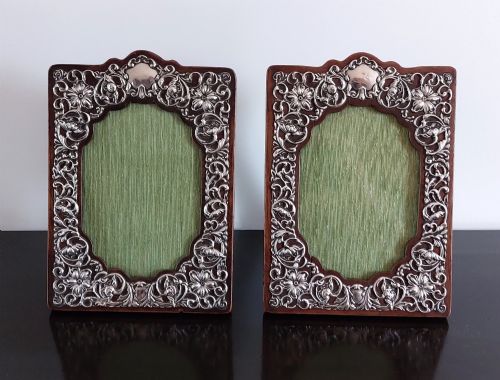
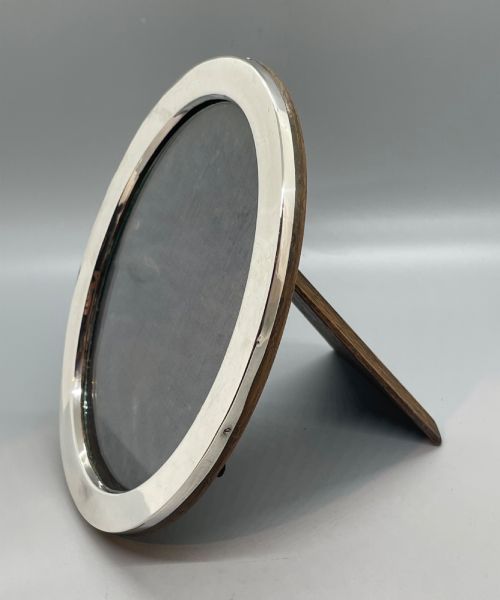
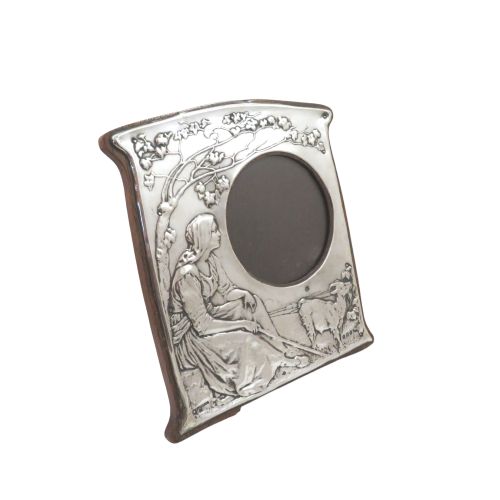
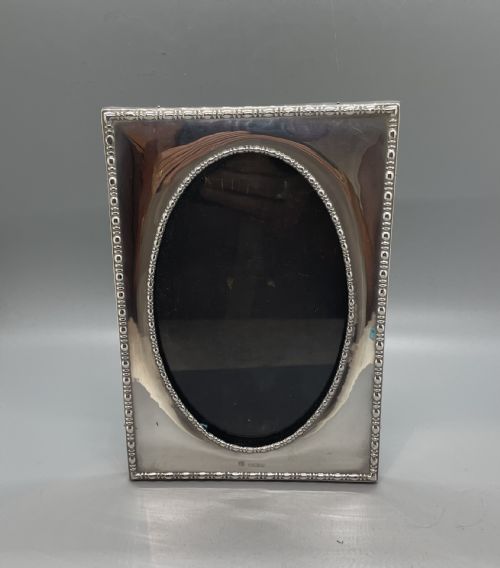
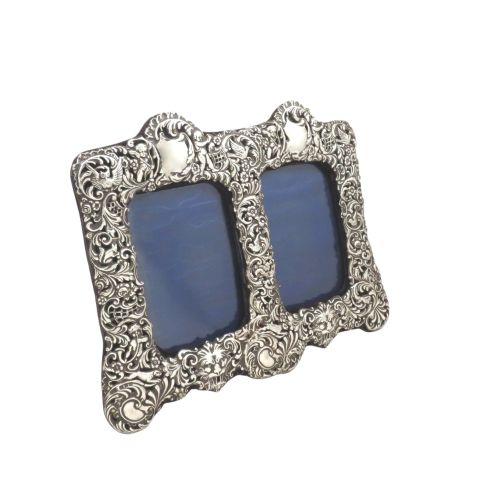
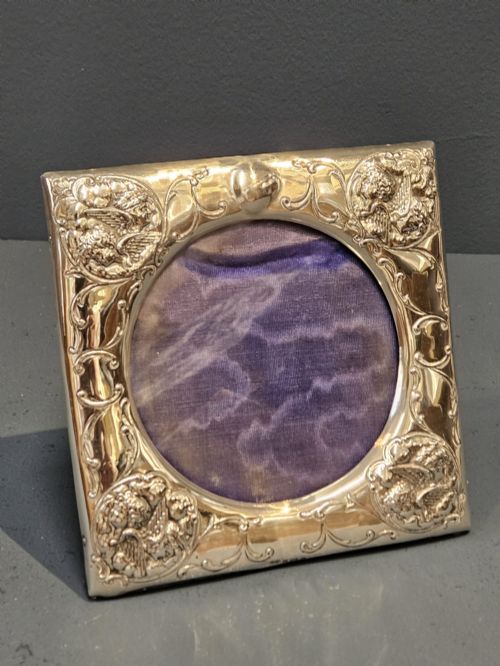
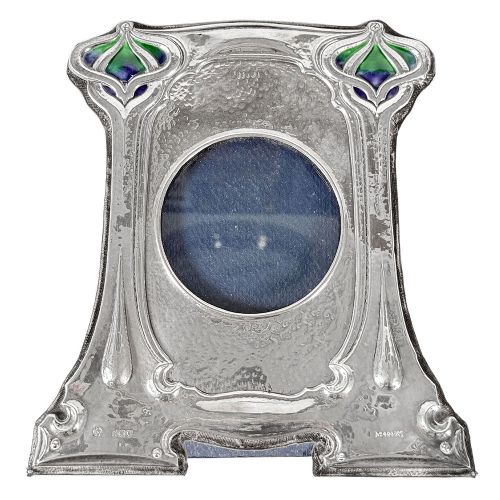
The objects appear in various configurations, including single rectangular formats, circular shapes, and double frames designed to hold two images side by side. Many examples carry hallmarks from assay offices in Birmingham and Sheffield that record the year of manufacture.
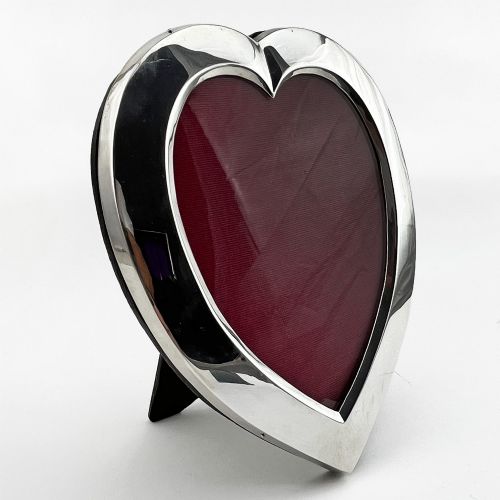
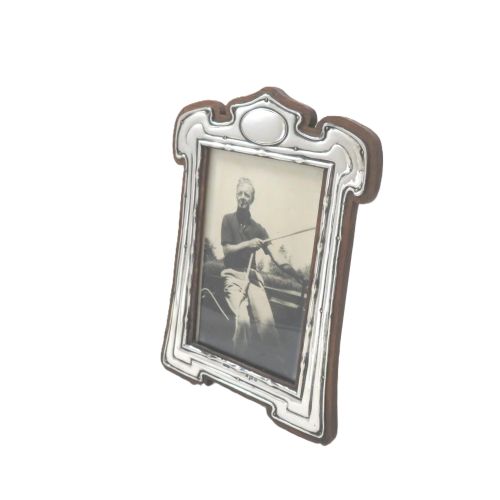
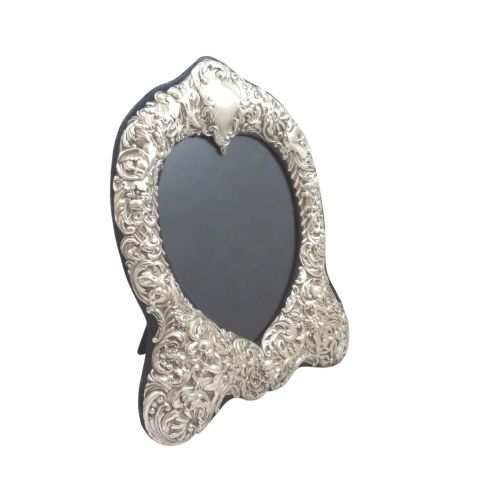
Makers utilised different outlines, ranging from plain borders to embossed floral motifs and sweeping organic lines typical of the Art Nouveau style. Heart shapes and landscape orientations also emerge frequently among the surviving pieces.
Materials and construction methods
Silversmiths shaped sheets of sterling silver over wooden cores or backed the metal plates with hardwood to provide structural rigidity. Velvet or fabric finishes frequently line the reverse sides and internal easel stands.
Embossed decoration relied on pressing or hammering the metal from the front or back to raise floral patterns and figurative scenes. Glass panels fitted to the front protect the paper photograph contained within.
The selection includes pieces from the Victorian, Edwardian, and George V periods, incorporating wood, glass, enamel, and velvet components.
Distinctions in craftsmanship and design
Quality rests in the weight of the metal and the crispness of the chased or embossed detail on the border. Finer examples display deep, clear relief work on motifs such as flowers, angels, or butterflies.
The integrity of the structural backing and the original easel mechanism contribute significantly to the standard of a piece. Hand-finished engraving and distinct, legible hallmarks separate exceptional work from standard production.
William Comyns·William Hutton and sons·W.I.Broadway and co
The Sterling Silver Portrait Frame Glossary
- Hallmark
- Official marks stamped onto precious metal items to guarantee standard of purity and indicate the assay office and date letter.
- Engine-turned
- A decorative technique involving precise geometric patterns engraved into the metal surface by a specialised machine.
- Easel back
- The hinged support attached to the rear of the frame that allows the object to stand upright on a flat surface.
- Chasing
- A method of indenting metal from the front to create raised decorative designs without removing material.
- Assay office
- An organisation charged with testing the purity of precious metals and applying official hallmarks.
Sterling Silver Portrait Frame: Frequently Asked Questions
How do I date a sterling silver portrait frame?
Dating relies primarily on the legible hallmarks stamped into the silver, which include specific date letters corresponding to assay office records from towns such as Birmingham and Sheffield.
Stylistic indicators such as Art Nouveau curves or Edwardian floral embossing also help place a piece within a specific decade.
What is inside the back of these frames?
Most antique frames use a wooden interior core covered by a fabric layer, frequently dark velvet, to protect the photograph.
A hinged wooden or metal strut known as an easel back allows the frame to stand.
Can these frames display pictures both ways?
Certain designs incorporate swivel mounts or versatile backings that permit the frame to stand in either a portrait or landscape orientation.
Buyers should examine the shape and the easel mechanism to confirm whether the opening accommodates horizontal photographs.
How should I clean antique silver frames?
Cleaning requires a soft cloth and a gentle silver polish formulated to remove tarnish without wearing away thin embossed details.
Harsh abrasive dips should be avoided, particularly near velvet backs and glass panels where moisture might cause damage.