



Sterling Silver Pen Tray
These sterling silver pen tray pieces are desk accessories that organise a writing surface with substance.
Sterling Silver Pen Tray
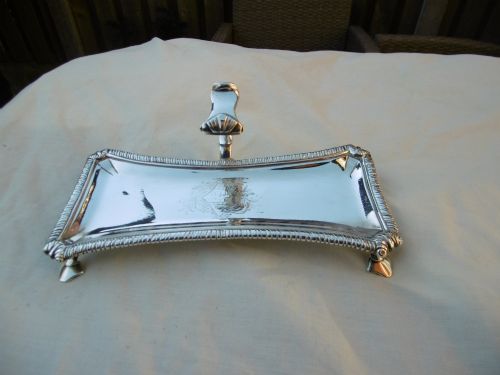
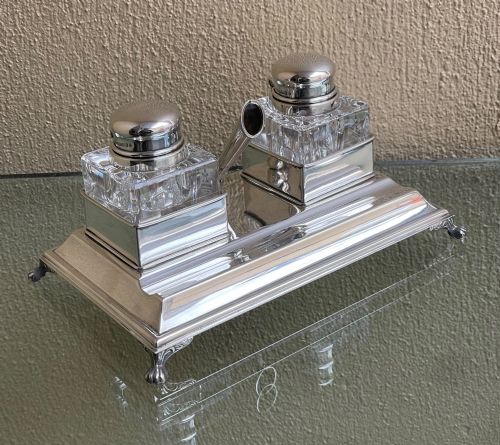
When you search for a sterling silver pen tray, you encounter desk accessories and inkstands primarily spanning the Victorian, Edwardian, George III, Regency, and Elizabeth II periods. These items range from simple snuffer's trays to large double inkstands complete with chambersticks and cut glass bottles.
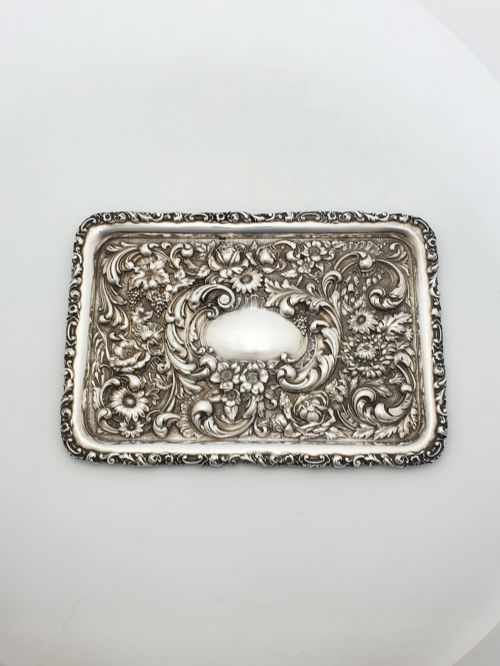
The pieces most frequently met on this page combine silver with cut glass or incorporate integrated inkwells. Formats vary from oval Georgian designs to heavy pieces reflecting Regency styles and elaborate Edwardian repoussé work.
How they were made
Maker's workshops shaped these pieces from sterling silver using traditional silversmithing techniques, often incorporating detailed repoussé decoration featuring floral and rococo motifs. Metal components were frequently paired with heavy cut glass for ink bottles.
Makers utilised hallmarks to certify the silver standard, stamping pieces with assay office marks and date letters that record origins in London and Sheffield.
Sterling Silver Pen Tray Retail Price Guide 2026
Typical asking prices for sterling silver pen tray among the pieces listed under this phrase on Sellingantiques today, from the lower quarter to the upper quarter. They describe what is for sale here now, not the wider market.
Materials appearing across the current inventory include sterling silver, glass, and cut glass.
What varies in quality
The distinction between standard items and exceptional pieces rests in the weight of the silver and the complexity of the design, such as heavy cast mounts versus lighter pressed metal. Elaborate hand-worked repoussé and complete original fittings like matched cut glass bottles elevate certain examples.
The presence of distinguished makers, such as Peter and Anne Bateman or Robert Garrard, separates workshop output of ordinary commercial grade from works of notable provenance.
Peter and Anne Bateman·Robert Garrard
The Sterling Silver Pen Tray Glossary
- Repoussé
- Metalworking technique where the silver is hammered into relief from the reverse side. This creates raised ornamental designs like floral patterns.
- Inkstand
- A desk stand designed to hold inkwells, sanders, and pen trays. These composite desk accessories form a central part of the category.
- Snuffer's tray
- A shallow tray originally used for holding candle snuffers. George III examples in this category served similar desktop functions.
- Chamberstick
- A small portable candlestick with a pan to catch dripping wax. Some larger inkstands incorporate these directly into the tray base.
- Hallmark
- Official marks stamped onto silver to indicate the purity of the metal, the maker, and the year of assay. These marks provide definitive dating evidence.
Sterling Silver Pen Tray: Frequently Asked Questions
What is a sterling silver pen tray used for?
These pieces served as functional desk accessories designed to hold writing implements and prevent ink from staining writing surfaces. They organised the workspace in studies and offices.
Many examples function as complete inkstands incorporating cut glass bottles and compartments for pens, stamps, and sealing wax.
How do I identify the period of a silver tray?
You examine the hallmarks stamped on the silver, which include date letters and assay office symbols indicating cities such as London or Sheffield. These marks provide the precise year of manufacture.
Stylistic indicators also help, as heavy cast mounts suggest Regency designs, while floral repoussé often points to the Edwardian period.
Did these pieces always include inkwells?
Not all pieces left the workshop with inkwells, as simple snuffer's trays were produced for different household tasks before being used on desks. Other items formed part of large inkstand sets.
When inkwells are present, they are frequently made of heavy cut glass fitted with silver collars matching the tray.
How should I clean a antique silver tray?
Care involves gentle cleaning with a specialist silver cloth to remove tarnish without wearing down engraved details or delicate repoussé work. Avoid harsh abrasive dips that strip the natural patina.
Regular light maintenance preserves the finish of the sterling silver while protecting any fitted glass components.