

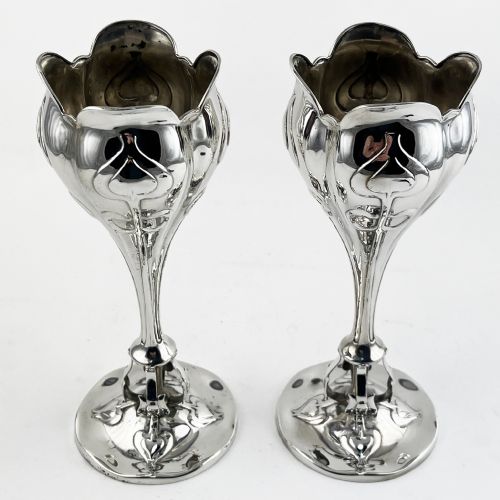


Sterling Silver Ornament
These sterling silver ornaments span desk accessories, animal figurines and novelty pin cushions from Victorian, Edwardian and mid-century makers.
Sterling Silver Ornament
When searching for a sterling silver ornament, buyers encounter a diverse selection of small decorative objects, desk accessories and novelty figures. The items span periods from the late nineteenth century through to the mid-twentieth century, encompassing Victorian, Edwardian, George V and mid-century British designs.
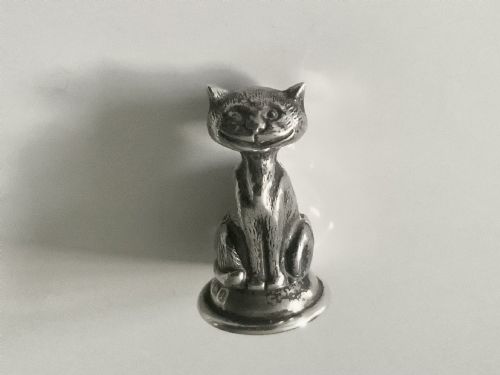
Pin cushions modelled as animals, small desk ornaments, photo frames, pill boxes and animalier sculptures dominate the selection. Continental European pieces and English hallmarked works sit alongside novelty items designed to amuse or serve a practical function on the desk or table.
Manufacturing and Materials
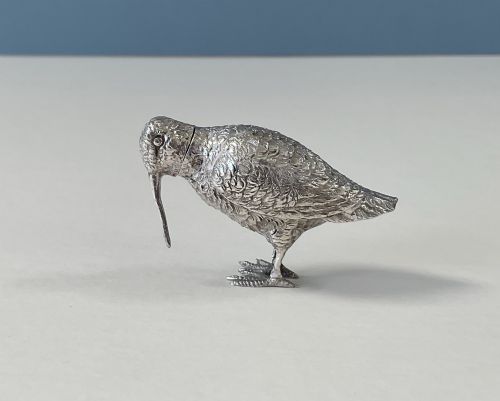
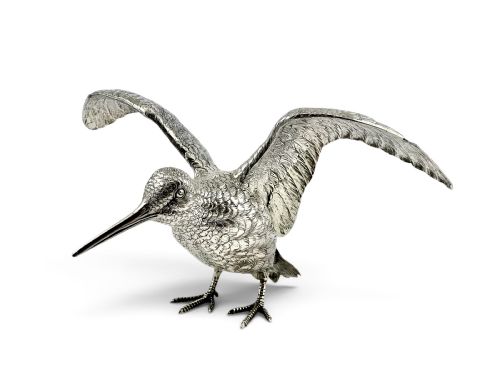
Many of the figures and animalier sculptures utilise casting techniques to achieve detailed forms of birds, mammals and human figures. Metals such as solid silver and sterling silver are combined occasionally with secondary materials including vitreous enamel, wood, glass, fabric, velvet and ebony.
Makers employed hand-finishing, chasing and mounting to assemble complex items like hinged boxes, photo frames with velvet backs, and multi-part novelty pepper pots or pin cushions. Hallmarking on sterling silver pieces records the assay office, date letter and maker's mark.
Listings feature sterling silver ornaments across Victorian, Edwardian, George V and mid-century periods, incorporating materials such as enamel, velvet and wood.
Assessing Quality
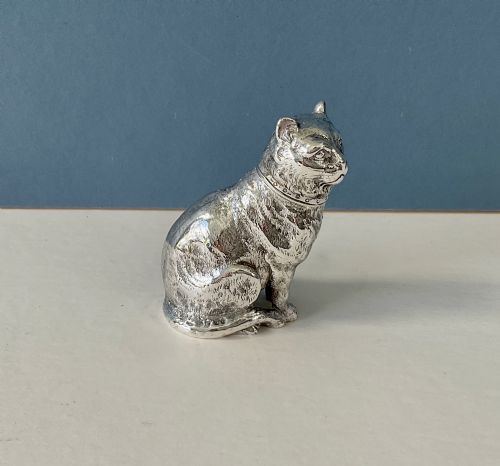
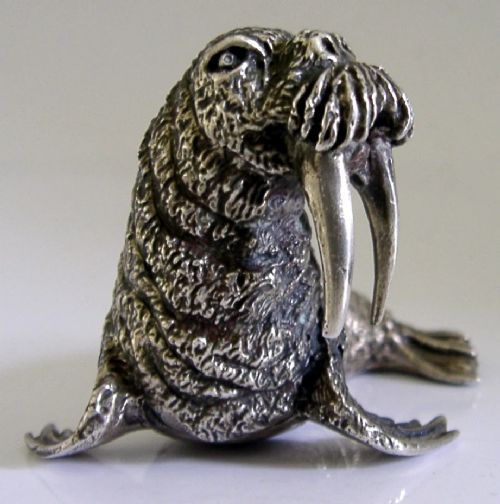
The degree of anatomical detail in cast animal figures and the crispness of chased decoration separate standard items from superior examples. Weight and gauge of the silver contribute significantly to the substantial feel of desk stands, inkwells and larger animal models.
The survival of original fitted elements, such as glass inserts, fabric linings or intact enamel panels, influences the overall integrity of pieces like sugar boxes, photo frames and folding chairs.
Tom Mackie·H H Curtis·William Graeme·Berthold Muller·Edward John Barnard·Boaz Moses·Bernard Muller
The Sterling Silver Ornament Glossary
- Animalier
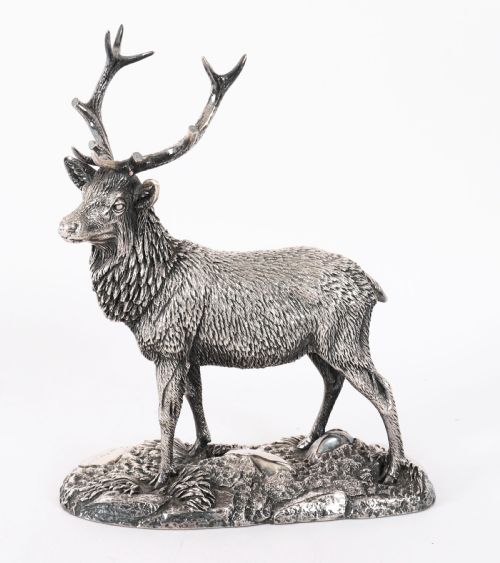
- A style of sculpture focusing on the realistic portrayal of animals, seen frequently in mid-century and earlier silver figures. These pieces often capture wildlife in dynamic or resting poses.
- Pin Cushion
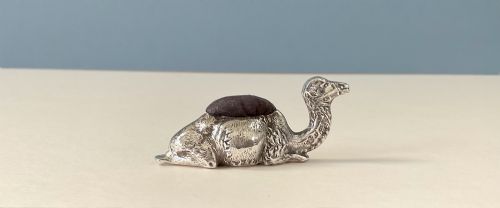
- A small domestic accessory, frequently fashioned in novelty animal forms such as camels, frogs or birds. They incorporate velvet or fabric pads held within a silver frame.
- Hallmark
- A series of official marks stamped on silver items indicating the purity of the metal, the assay office, and the date of manufacture. They provide reliable dating evidence for collectors.
Sterling Silver Ornament: Frequently Asked Questions
What are novelty silver pin cushions?
Novelty silver pin cushions are small decorative items cast in the shape of animals, vehicles or everyday objects, fitted with a fabric or velvet pad for pins.
Victorian and Edwardian makers produced these in large numbers, and they remain popular desk ornaments today.
How do I identify an Edwardian silver piece?
Edwardian silver pieces date from the reign of Edward VII between 1901 and 1910, though the style often overlaps with late Victorian manufacturing.
Examination of the hallmarks for the specific date letter provides the exact year of assay and confirms the period of production.
Where were animalier silver sculptures placed?
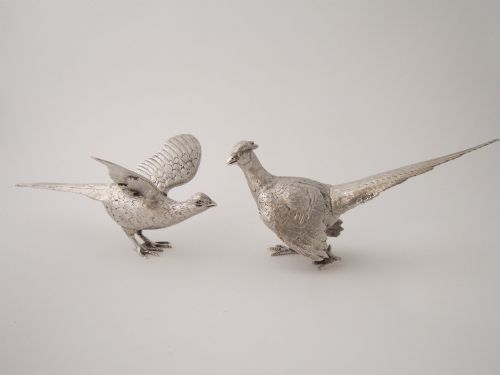
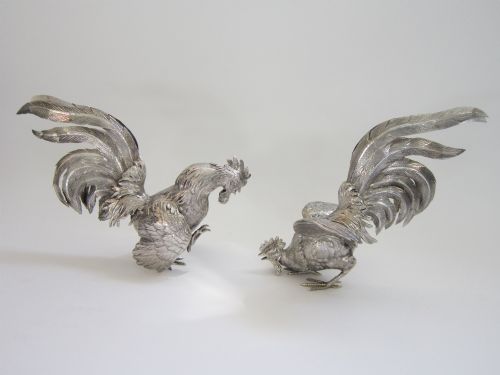
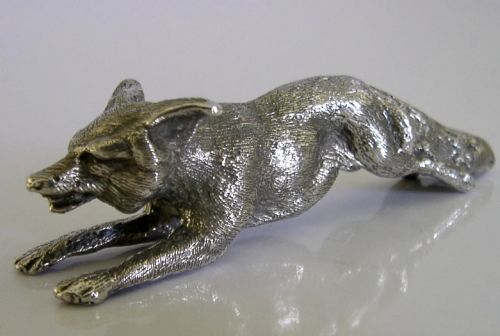
Animalier silver sculptures of stags, foxes and cockerels served as table ornaments, desk paperweights or cabinet display pieces in period homes.
Their substantial weight and detailed casting made them suitable for placement on desks, sideboards and mantels.
What is an inkstand used for?
An inkstand is a desk accessory designed to hold inkwells, pen trays and sometimes sanders or bell components for writing correspondence.
Large examples in sterling silver often incorporate heavy bases with compartments for stationary items and personal seals.