




Sterling Silver Mill
These sterling silver mill pieces combine functional utility with intricate Victorian metalwork, offering collectors exceptional examples of period craftsmanship.
Sterling Silver Mill
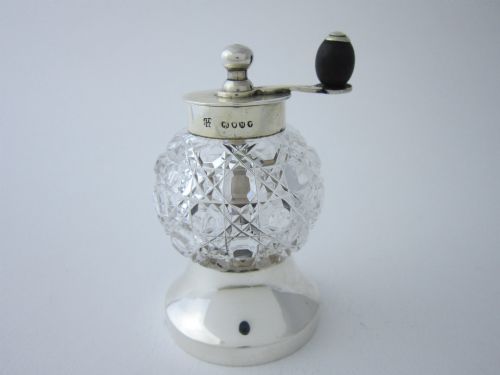
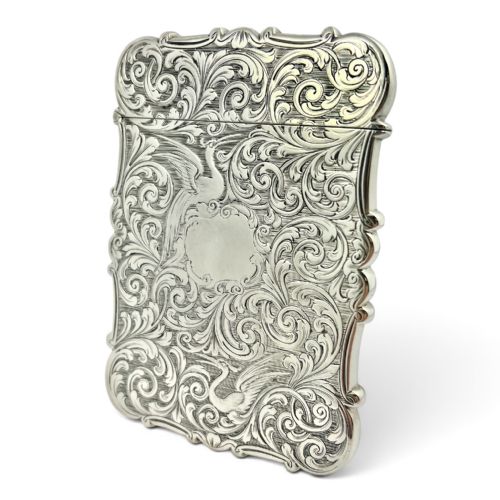
A sterling silver mill search reveals a dual category comprising pepper grinders alongside highly ornamented pocket boxes by specific makers. The pepper mills typically pair heavy silver mounts with cut glass or wooden bodies dating from the late nineteenth and early twentieth centuries. By contrast, the smaller pocket pieces encompass intricately engraved card cases, snuff boxes and vinaigrettes.
The variants most frequently met on this page date from the Victorian era, particularly the middle decades of the nineteenth century. These items showcase domestic utility objects raised to high art through repousse work and engine-turned decoration. Buyers encounter everything from utilitarian table grinders to bespoke silver-gilt accessories housed in original leather cases.
Materials and construction
Silversmiths utilised solid sterling silver for the exterior casings, structural mounts and hinged lids of these objects. This metal was frequently combined with cut glass bodies for table grinders, or paired with steel grinding mechanisms to ensure functional durability.
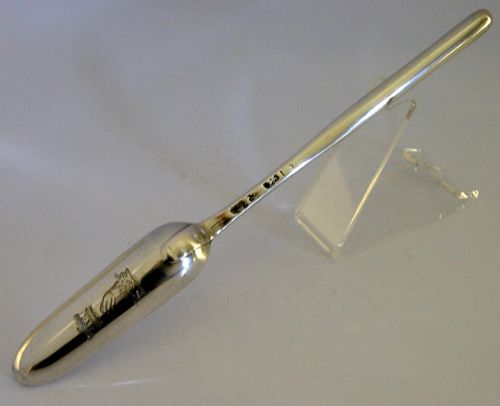
Surface decoration relied heavily on manual techniques including deep chasing, hand engraving and cast relief work. Castle top scenes and floral motifs were painstakingly worked into the metal plates, occasionally accented with gold gilding or silver-gilt finishes.
Sterling Silver Mill Retail Price Guide 2026
Typical asking prices for sterling silver mill among the pieces listed under this phrase on Sellingantiques today, from the lower quarter to the upper quarter. They describe what is for sale here now, not the wider market.
The listings span the Regency, William IV, Victorian, Edwardian and Art Deco periods, uniting domestic tableware and pocket accessories.
Assessing quality and merit
The distinction between ordinary items and superior examples rests on the depth and clarity of the metalwork. Crisp architectural detail in castle top engravings and sharp relief on floral motifs indicate master craftsmanship rather than standard commercial production.
Originality of components and provenance further elevate an object's standing. Complete pieces retaining their internal sponges, original leather presentation cases, or clear maker marks command greater attention from discerning collectors.
Nathaniel Mills·Hukin & Heath Ltd
The Sterling Silver Mill Glossary
- Castle top
- A style of decorative metalwork featuring high-relief depictions of famous buildings or country houses on the lid or front panel. This technique required immense skill from the silversmith to achieve three-dimensional perspective.
- Vinaigrette
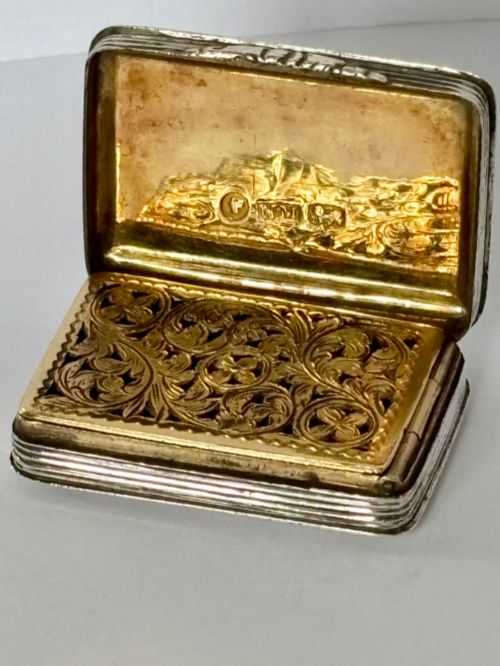
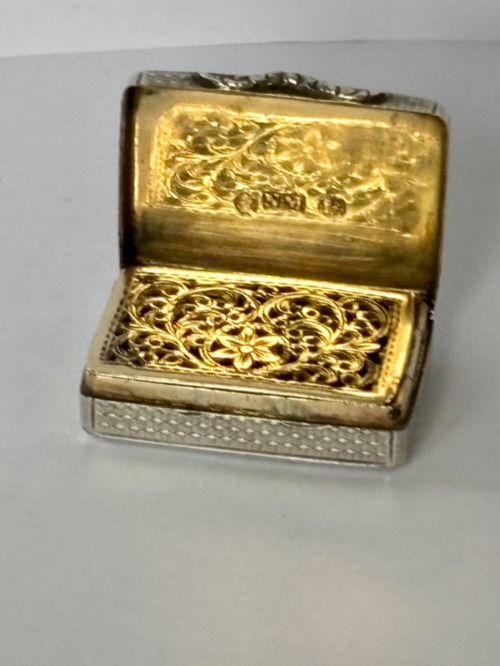
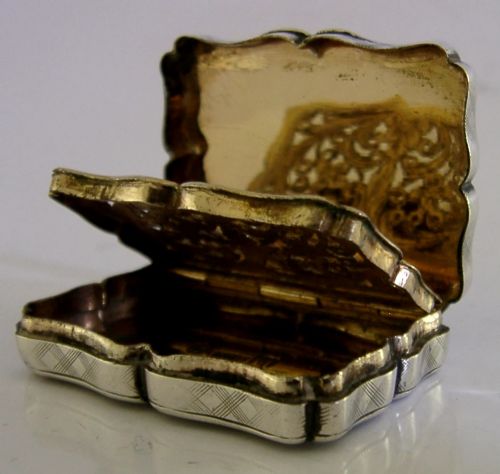
- A small pocket container fitted with a pierced internal grille, designed to hold a sponge soaked in aromatic vinegar. These were used in the nineteenth century to mask unpleasant odours in public spaces.
- Silver-gilt
- Sterling silver that has been coated with a thin layer of pure gold through fire gilding or electroplating. This treatment protected the inner compartments of vinaigrettes from the corrosive action of acidic vinegars.
- Engine-turning
- A mechanical method of engraving precise geometric patterns onto metal surfaces using a specialised lathe. It created uniform, textured backgrounds that contrasted with hand-chased borders.
Sterling Silver Mill: Frequently Asked Questions
How do I date a silver pepper grinder?
Dating these grinders relies on examining the hallmarks stamped into the silver mounts. These official marks record the assay office, the standard of silver, and a specific date letter.
Stylistic cues such as Edwardian proportions or Art Deco geometric lines also help narrow down the period of manufacture.
What was a vinaigrette used for?
A vinaigrette contained a small sponge saturated with scented vinegar to counteract noxious street smells. The pierced internal grill allowed the fragrance to escape while keeping the wet sponge contained.
They were essential pocket accessories for fashionable individuals navigating nineteenth-century urban environments.
Are pepper grinders fully functional?
Many vintage pepper mills retain their original steel grinding mechanisms and remain entirely suitable for daily use at the dining table. Care should be taken to clean them gently and avoid abrasive moisture.
Some collectors prefer to keep them purely for display, valuing the uncompromised condition of the silver and glass bodies.