




Antique Silver Mill
An antique silver mill brings tactile weight and period character to the table, uniting functional metalwork with precise mechanisms.
Antique Silver Mill
When you search for an antique silver mill, you encounter functional culinary items alongside pocket containers and maker-marked silver pieces. The selection spans table pepper grinders framed in sterling silver and glass, alongside tabletop spice and condiment mills from Victorian and later periods.
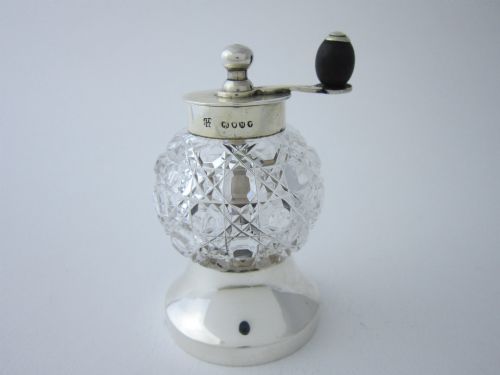
The objects commonly found under this designation include upright glass and sterling silver pepper grinders dated across the late nineteenth and early twentieth centuries, as well as distinct miniature forms like Dutch silver windmill candle snuffers. These domestic pieces combine cut glass, oak, and solid silver elements designed for daily dining use.
How they were made
Makers combined sterling silver housings with blown and cut glass bodies, internal steel grinding mechanisms, and occasionally wood or leather components. Silversmiths worked sheet silver through stamping, piercing, and extensive hand-engraving to form the outer sleeves of table mills and condiment containers.
Glass reservoirs allowed users to see the contents inside, whilst fitted steel mechanisms crushed peppercorns reliably. Structural integrity relied on secure bezels and threaded collars holding the metal mounts directly to the glass or wooden bodies.
Antique Silver Mill Retail Price Guide 2026
Typical asking prices for silver mill among the pieces listed under this phrase on Sellingantiques today, from the lower quarter to the upper quarter. They describe what is for sale here now, not the wider market.
Listings feature sterling silver, cut glass, steel, and oak across Victorian, Edwardian, and Regency periods.
What varies in quality
Quality rests in the crispness of the chased or engraved silver mounts and the robust integration of the internal steel grinding mechanism within its silver frame. Examples featuring heavy-gauge sterling silver casings retain their structural rigidity and aesthetic definition far better over decades of use than thinner counterparts.
The clarity of the cut glass reservoirs and the tight alignment of the metal collars demonstrate superior benchwork from period workshops. Pieces displaying sharp, unrubbed decorative detailing on the silver elements reflect higher standards of original craftsmanship.
Nathaniel Mills·Thomas Hannam and Richard Mills
The Antique Silver Mill Glossary
- Sterling Silver
- A standard alloy consisting of 92.5 percent silver by weight, paired with other metals for durability. This material forms the primary metal shell of period condiment mills and tablewares.
- Silver-Gilt
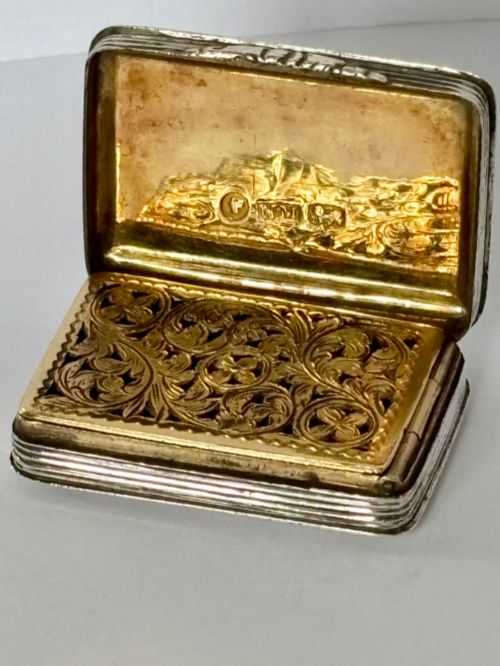
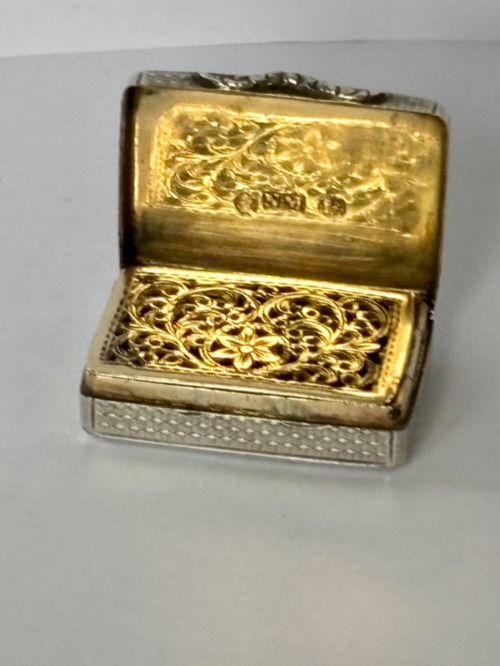
- Sterling silver that has been coated with a thin layer of gold on its surface. This technique, also known as vermeil, provides a rich internal finish to boxes and internal mounts.
- Cut Glass
- Glass shaped and patterned by abrasive wheels to create deep geometric facets. It provides a transparent body for pepper mills and spice containers.
- Steel
- An iron and carbon alloy utilised for internal cutting burrs and grinding mechanisms. It ensures the functional longevity of the mill.
- Victorian
- The period spanning the reign of Queen Victoria from 1837 to 1901. Most domestic silver tablewares originate from this era.
Antique Silver Mill: Frequently Asked Questions
What is an antique silver mill used for?
These pieces function primarily as table salt and pepper grinders for dining service. They grind whole peppercorns using internal steel teeth housed inside a decorative silver exterior.
Period examples also encompass novelty condiment pots and miniature decorative windmill forms used historically as table ornaments or candle snuffers.
How do I date an antique silver mill?
Dating relies upon examining the hallmarks stamped into the silver mounts. These assay marks reveal the city of origin, the standard of metal, and the specific year letter.
Stylistic cues such as cut glass patterns, Edwardian proportions, or Victorian aesthetic influences also help narrow the production era when hallmarks are rubbed.
Are antique silver mills safe for daily use?
Most glass-bodied and silver-mounted grinders remain robust enough for regular dining table service. The internal steel mechanisms are built for practical grinding tasks.
Careful cleaning and gentle handling protect the antique silver mounts and glass reservoirs from accidental damage during everyday use.
What materials make up these mills?
Makers constructed these objects using solid sterling silver for the exterior sleeves, collars, and top mounts. Glass and cut glass form the main transparent body of the grinder.
Internal elements utilise steel for the grinding burrs and mechanisms, while select examples incorporate oak or leather linings.