
Sterling Silver Jar
A sterling silver jar brings together precious metalwork and functional glass or ceramic bodies from the Victorian, Edwardian, and Art Deco eras.
Sterling Silver Jar
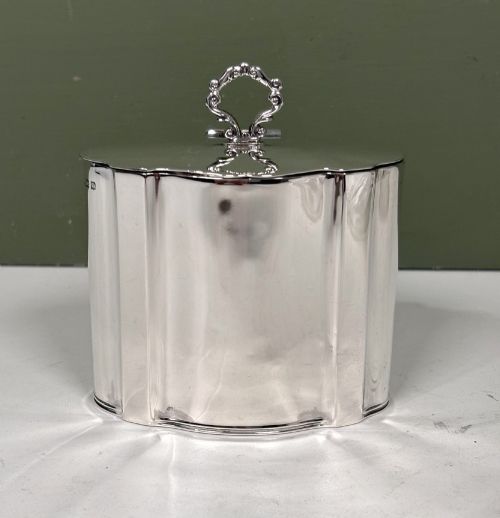
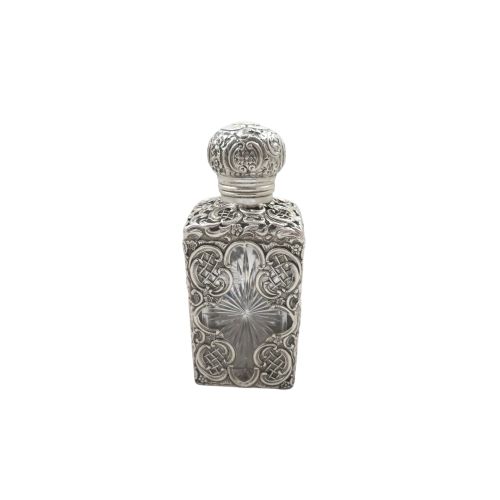
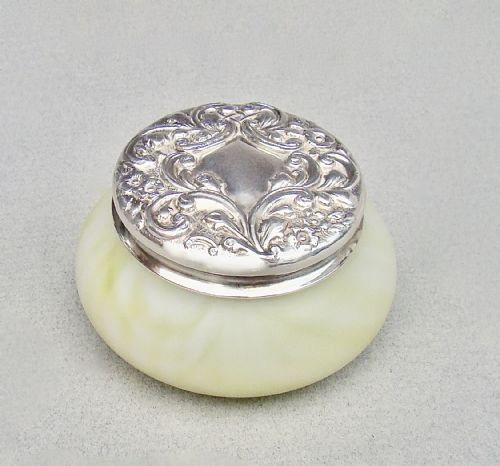
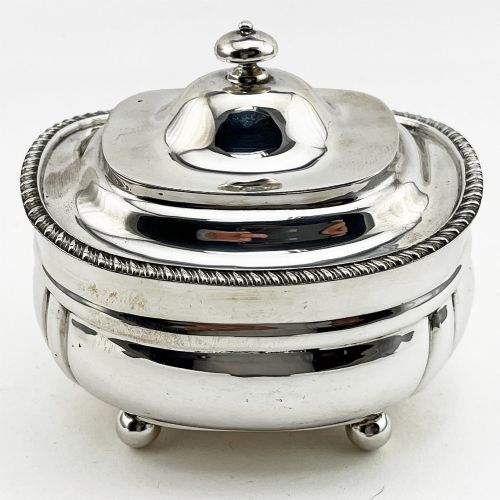
A sterling silver jar encompasses a variety of vanity items, dressing table pots, tea caddies, and condiment containers produced from the mid-nineteenth century through the mid-twentieth century. Buyers searching this phrase encounter containers designed for powders, creams, tea, mustard, and perfumes, often combining hallmarked silver lids with cut glass or crystal bodies.
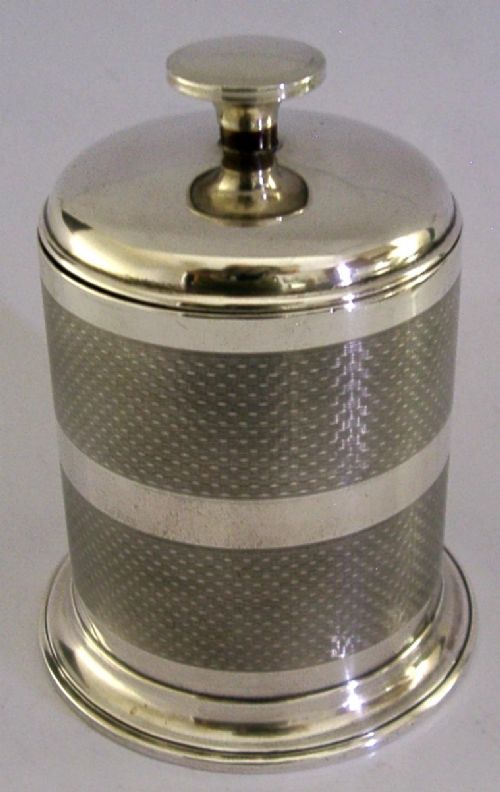
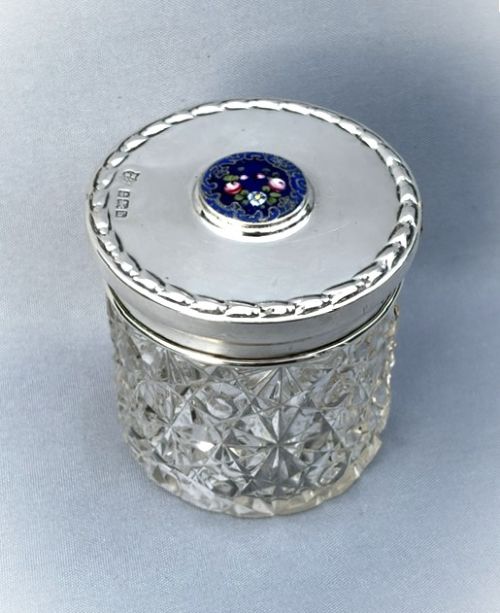
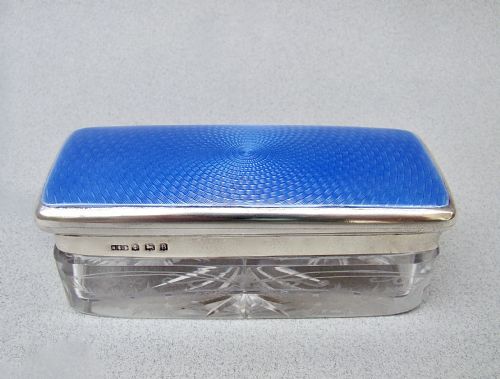
The selection ranges from Victorian silver-mounted travelling jars and heavy George V tea caddies to colourful Art Deco guilloche enamel vanity pieces. Many surviving examples originate from Birmingham and London workshops dating between the 1880s and the 1930s.
How they were made
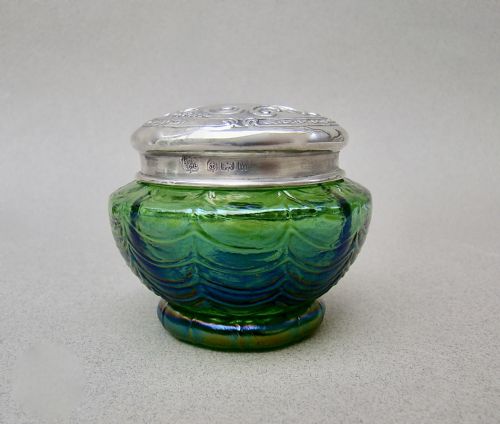
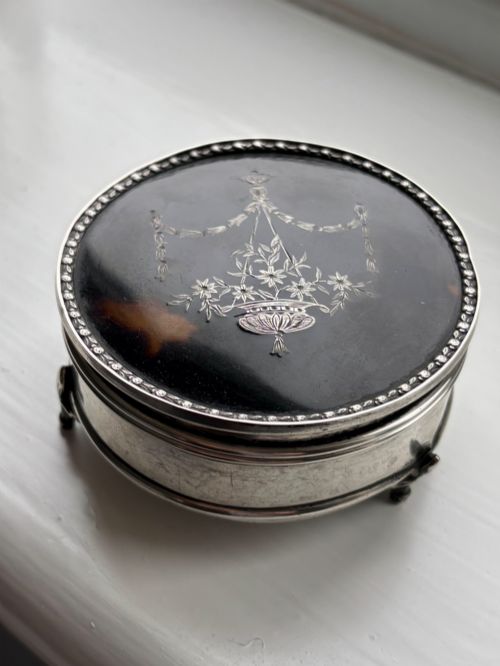
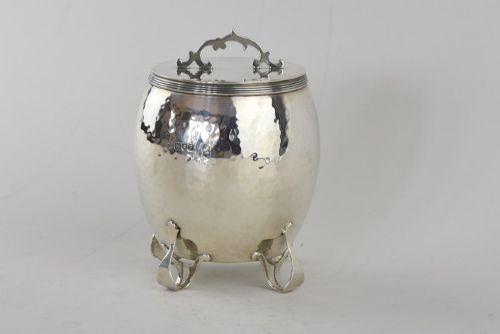
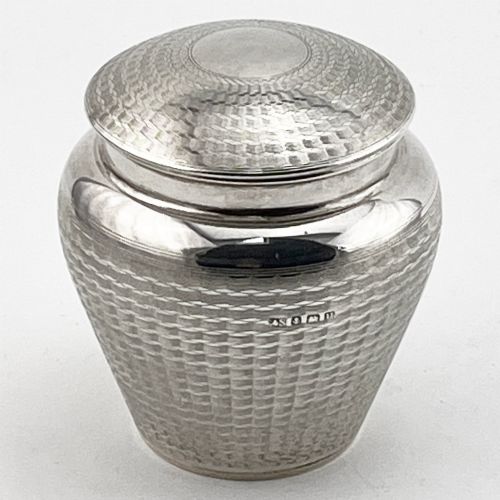
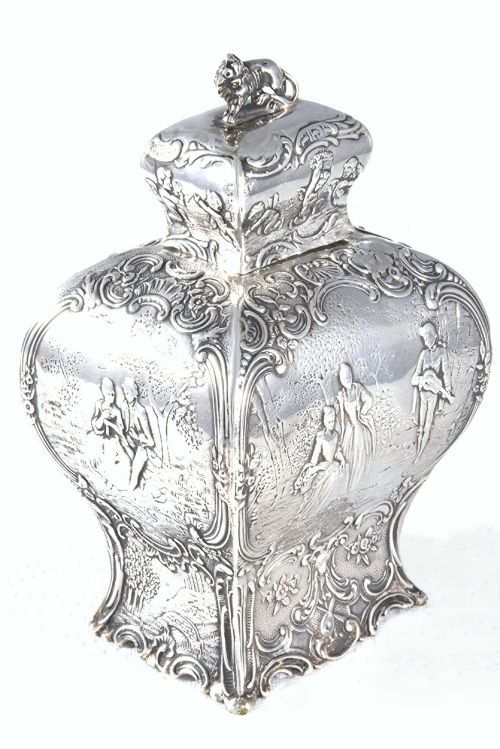
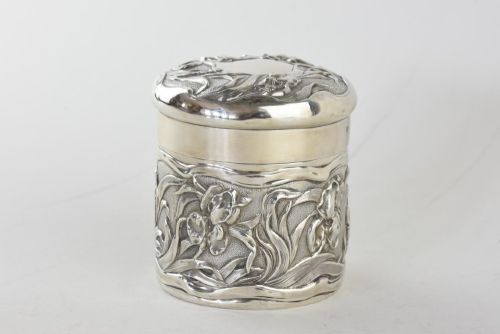
Silversmiths formed the lids and mounts using sterling silver, frequently applying techniques such as repousse decoration, hand hammering, or machine-turned guilloche enamel. Glass bodies were often heavy cut crystal, satin glass, or moulded glass, sometimes lined with blue glass for mustard pots or paired with faux tortoiseshell and inlaid panels.
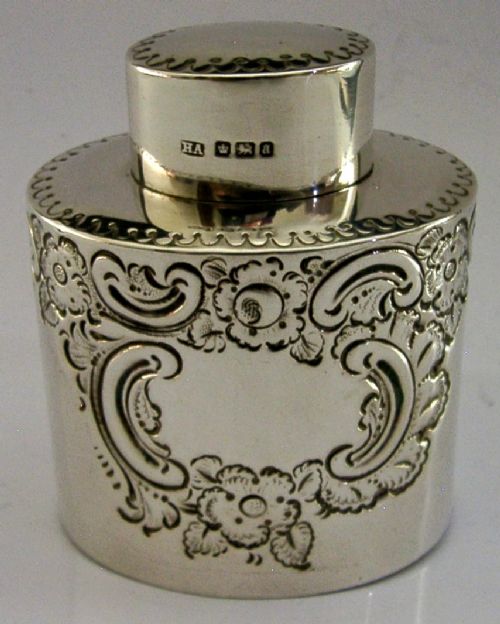
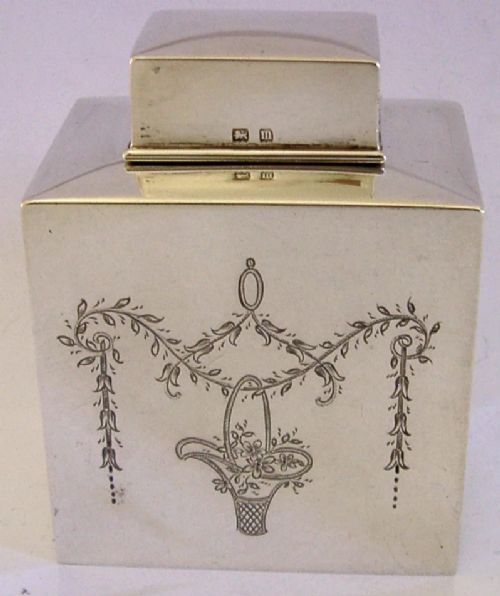
Maker marks, date letters, and city assay office symbols were stamped directly into the silver mounts, recording the location and year of production alongside the standard sterling mark.
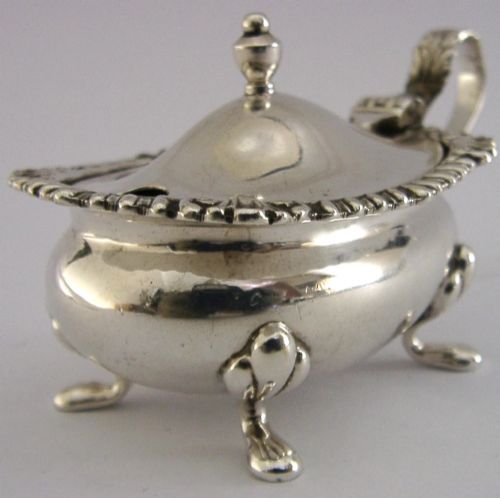
Listings feature sterling silver jars spanning the Victorian, Edwardian, and Art Deco periods, combining cut glass, enamel, and tortoiseshell.
What varies in quality
Quality in a sterling silver jar is determined by the weight and thickness of the silver gauge, the intricacy of the metalwork, and the clarity of the glass body. Thicker silver mounts resist dents and retain crisp repousse or engraved details much better than lighter alternatives.
The sophistication of secondary materials also dictates the tier of the piece, with complex multi-coloured guilloche enamel, hand-cut crystal bodies, or signed maker details setting finer examples apart from mass-produced dressing table items.
A. J. Pepper & Co·Henry Clifford Davis·Goldsmiths and Silversmiths Company·Thomas Hayes·Mappin and Webb·Asprey and Co
The Sterling Silver Jar Glossary
- Guilloche enamel
- A decorative technique where intricate geometric patterns are engine-turned into metal before being coated with translucent coloured enamel.
- Repousse
- A metalworking method where the silver is hammered from the reverse side to form a raised design in relief on the front.
- Assay mark
- An official stamp applied to precious metal items to verify the purity of the silver and indicate the testing office and year of creation.
- Tea caddy
- A specialised container originally built to store loose tea leaves securely, often featuring a pull-off lid and solid silver construction.
Sterling Silver Jar: Frequently Asked Questions
What were sterling silver jars used for?
These containers served multiple household and personal purposes, primarily holding loose tea leaves in tea caddies or cosmetics and creams in dressing table vanity jars.
Smaller versions functioned as scent bottles, mustard pots, or trinket boxes for storing small keepsakes on a bedroom dressing table.
How can I date a silver jar?
Dating relies heavily on the hallmarks stamped into the sterling silver mount, which typically include a maker mark, a lion passant for sterling standard, a city assay mark, and a date letter.
Stylistic cues such as Art Deco geometric enamel, Edwardian floral repousse, or Victorian cut glass patterns also help narrow the production era.
Are the glass bodies always original?
Most surviving jars retain their original matching glass or crystal bodies, shaped specifically to fit the silver collars and mounts.
Because lids and glass bases were manufactured as unified sets by silversmiths and glass houses, matched pairings are standard for the period.
How do I care for silver and enamel jars?
Maintenance requires gentle cleaning with a soft cloth to avoid scratching the delicate guilloche enamel or thinning the silver layer on antique mounts.
Harsh chemical dips should be kept away from enamel surfaces and glass inserts to preserve the original finishes.