






Sterling Silver Collar Decanters
These sterling silver collar decanters combine heavy glass vessels with gleaming metal mounts, offering both practical pouring and refined sideboard display.
Sterling Silver Collar Decanters
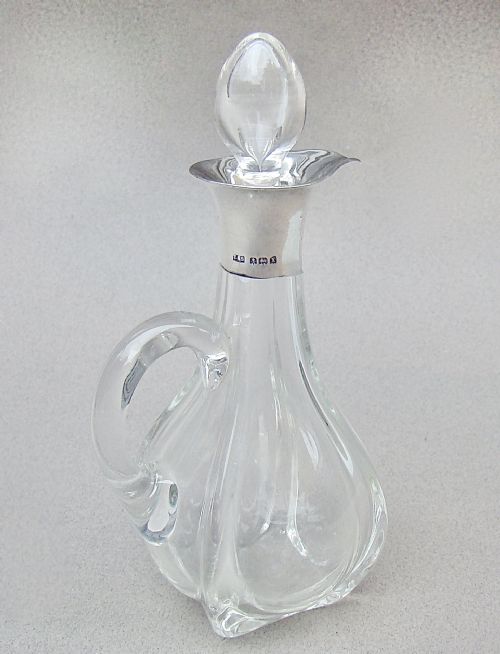
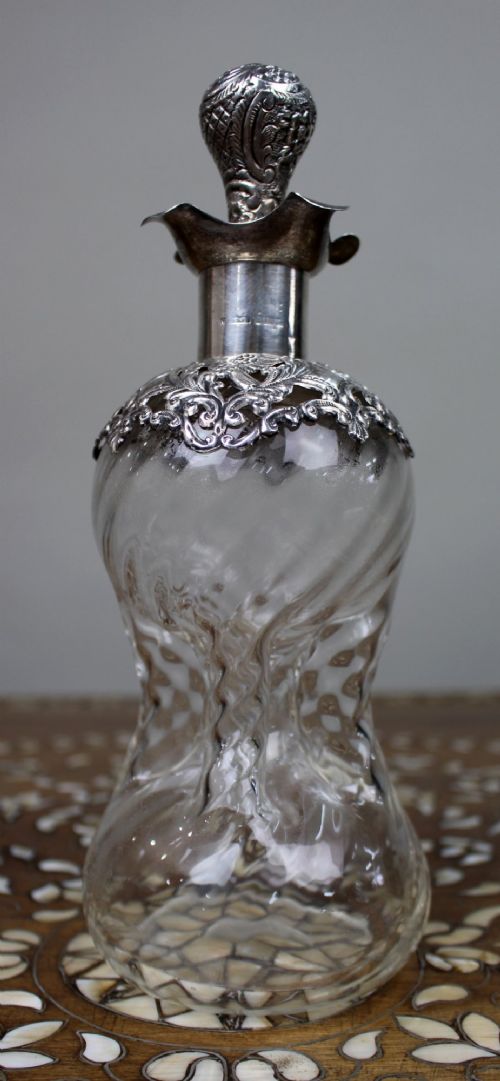
When you search for sterling silver collar decanters, you encounter a refined group of serving vessels featuring precious metal necks paired with glass, crystal, or cranberry glass bodies. These pieces span from the late nineteenth century through the Edwardian era and into the Art Deco period, encompassing traditional decanters, claret jugs, water jugs, and whisky noggins.
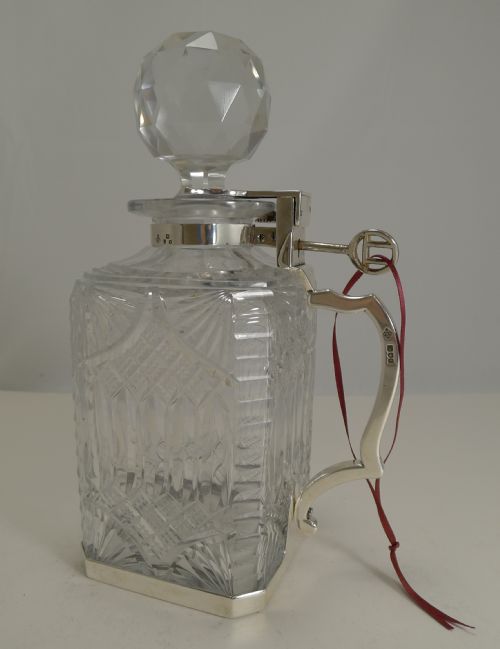
The version you are most likely to meet on this page is the Edwardian or early twentieth-century cut glass or crystal bottle fitted with a hallmarked sterling silver collar. Alongside these stand larger claret jugs and occasional locking decanters designed to safeguard spirits, representing the domestic hospitality of their respective decades.
Crafting the Glass and Silver
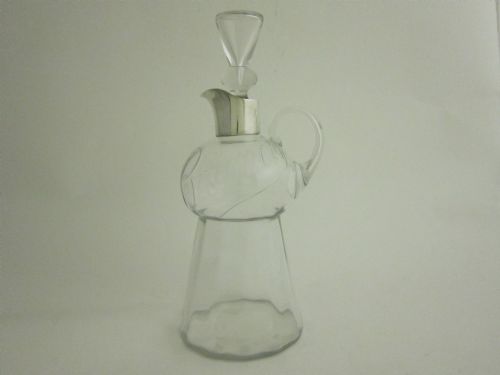
The bodies of these pieces rely on heavy clear glass, cut crystal, or coloured glass such as cranberry, often shaped with deep flutes, diamond patterns, or inventive forms like the characteristic glug glug decanter. Glassmakers blew and cut the vessels before pairing them with bespoke metal elements.
Silversmiths formed the mounts from solid sterling silver, applying hallmarks for assay offices like Birmingham and London to indicate metal purity and date. These collars were then securely fitted around the glass necks, frequently accompanying hinged lids, stoppers, or locking mechanisms.
Sterling Silver Collar Decanters Retail Price Guide 2026
Typical asking prices for sterling silver collar decanters among the pieces listed under this phrase on Sellingantiques today, from the lower quarter to the upper quarter. They describe what is for sale here now, not the wider market.
Locking decanters required a small key to release the silver mechanism, ensuring the household butler kept the spirits safely secured from thirsty staff.
Distinctions in Quality
The upper tier of these pieces is defined by the depth and crispness of the glass cutting, alongside substantial weight in the silver collar and mounts. Renowned makers and distinctively complex vessel shapes, such as engraved floral patterns or multi-lobed glug glug bodies, elevate individual examples.
Conversely, simpler forms with plain mounts and standard moulded glass sit lower on the scale of craftsmanship. The inclusion of matching silver labels, functioning locks with keys, and well-preserved hallmarks also marks out the more accomplished items.
William Comyns·Hukin and Heath·Barnsley and Co·William Davenport·Mappin and Webb
The Sterling Silver Collar Decanters Glossary
- Sterling silver
- An alloy of silver containing 92.5 percent pure silver and 7.5 percent other metals, usually copper. This standard composition guarantees the durability required for functional items like bottle collars.
- Hallmark
- An official stamp applied by an assay office to indicate the metal standard, the maker, and the year of manufacture. These marks provide definitive evidence of age and origin.
- Claret jug
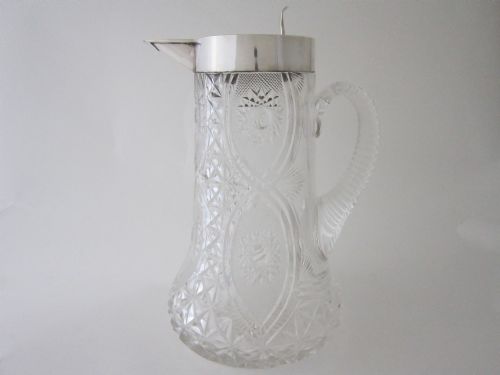
- A pouring vessel specifically designed for serving red wine at the dining table. They frequently feature elaborate silver mounts, handles, and hinged spouts above cut glass bodies.
- Cranberry glass
- A rich red-pink transparent glass created by adding gold chloride to the molten batch during production. It gained immense popularity during the Victorian and Edwardian periods.
- Decanter label
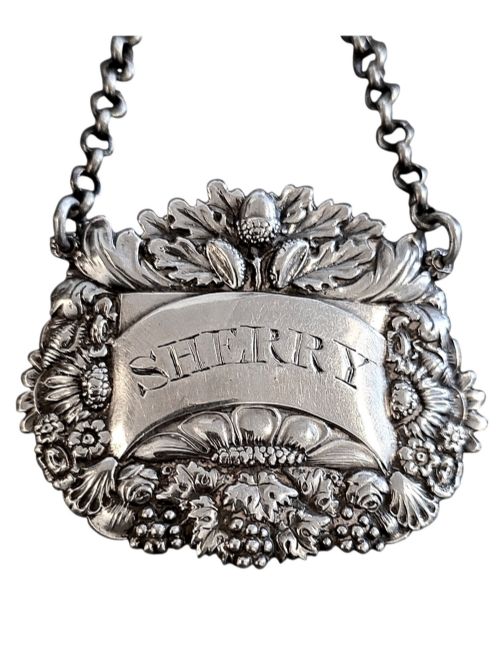
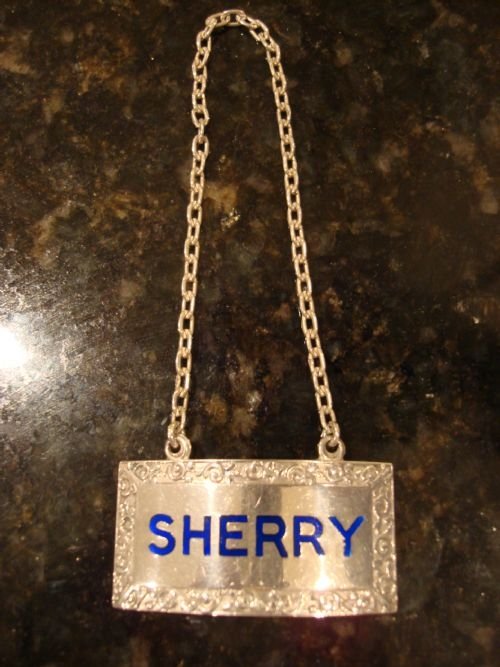
- A small silver tag hung by a chain around the neck of a bottle to identify its contents. Common examples name spirits like brandy, whisky, or gin.
Sterling Silver Collar Decanters: Frequently Asked Questions
What are sterling silver collar decanters?
These items are glass or crystal drinking vessels fitted with hallmarked sterling silver necks, rims, and sometimes hinged lids. They were designed for holding and serving wines and spirits.
The silver collar reinforces the mouth of the vessel while adding a decorative metallic contrast to the transparent or coloured glass body below.
How do I date a silver collar?
You can date the collar by examining the small stamped hallmarks on the silver. These symbols typically include a maker's mark, a purity standard mark, an assay office symbol, and a date letter.
Matching the date letter against official assay office tables reveals the exact year the metal was tested and hallmarked.
How do I care for silver and glass?
Maintain the silver by using a soft cloth and a dedicated silver polish, taking care to keep abrasive chemicals away from the glass. Wash the glass interior with warm water and a bottle brush.
Avoid submerging silver-mounted pieces in water for prolonged periods to protect the cement or cork fittings inside the collar.