
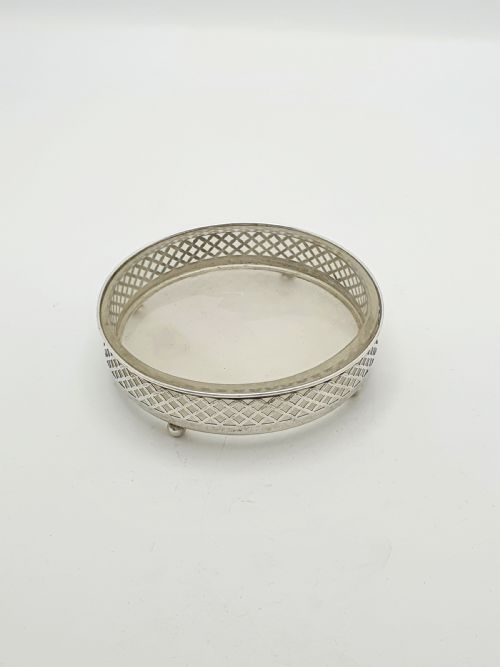


Sterling Silver Coaster
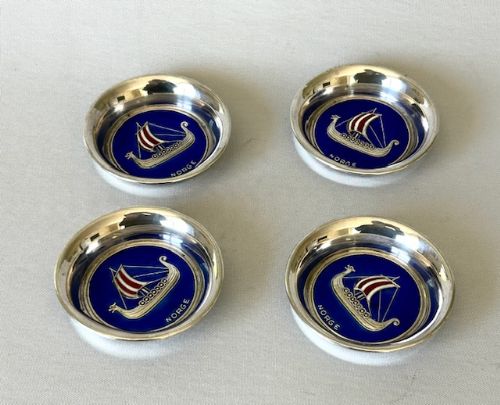
These sterling silver coaster pieces combine precious metal with glass, wood, or granite to protect table surfaces during dining and tea service.
The Form and Function of Sterling Silver Coaster Items
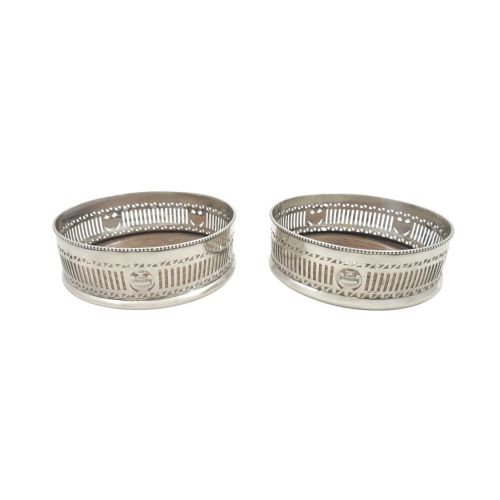
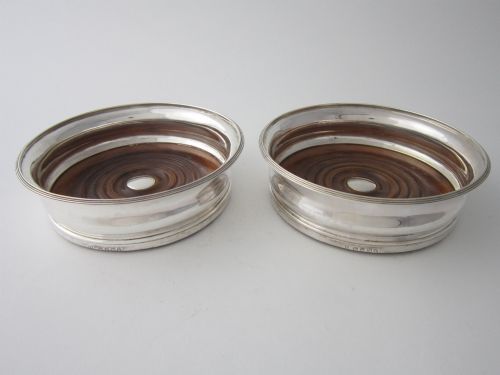
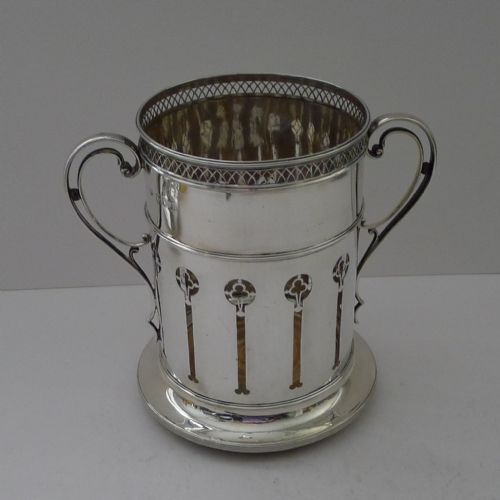
A sterling silver coaster serves as a protective base for wine bottles, decanters, and teapots, preventing moisture and heat marks from reaching polished wood surfaces. These items appear primarily as circular dishes or low galleries designed to hold glassware, ceramic teapots, or wooden bases.
Materials and Construction Methods
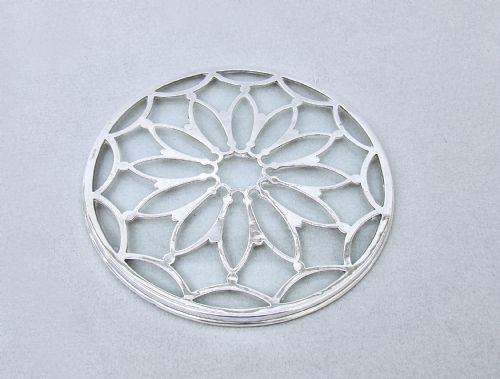
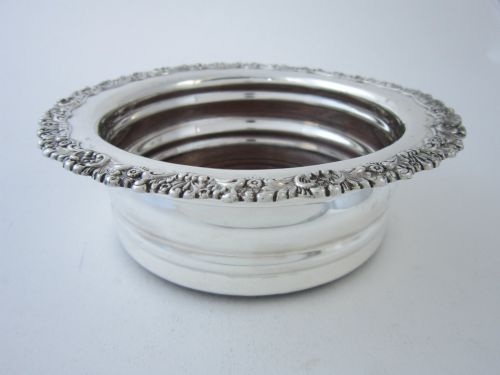
Makers combined sterling silver with contrasting materials such as clear glass, mahogany wood, and granite to construct these bases. Silversmiths utilised techniques including piercing, casting, and mounting to secure the metal rims around internal insulating disks.
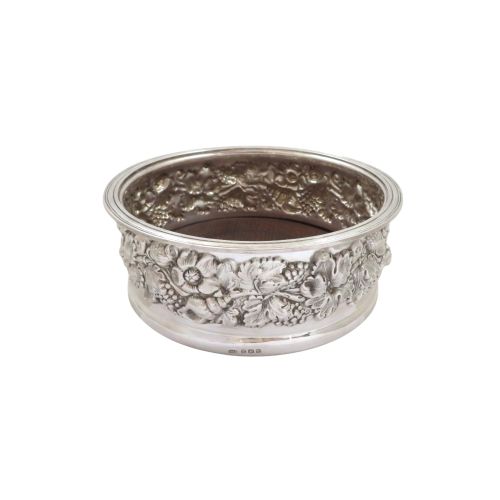
Many examples incorporate fitted wooden bases or turned wooden centres designed to absorb condensation from wine bottles. Pierced scrollwork galleries demonstrate fine piercing work, where metal was cut away to create openwork patterns around the circumference.
Listings incorporate sterling silver alongside glass, wood, and granite across Edwardian, George V, and Mid-Century Modern styles.
Distinctions in Execution and Detail
Quality rests in the weight of the metal and the precision of the joinery between the silver rim and the inner glass, wood, or stone base. Heavier gauge silver provides structural rigidity that prevents warping along the low walls of the vessel.
Refinement in the chased or pierced ornamentation separates standard production items from master-silversmith pieces. Crisp casting detail in grape and vine motifs or engraved armorial crests indicates superior workshop execution.
Harrods Ltd·Georg Jensen·Birks·Barker Bros·Whiting And Co·Roberts And Belk·Viners
The Sterling Silver Coaster Glossary
- Sterling Silver
- An alloy comprising ninety-two point five percent silver by mass, with the remainder usually copper. This standard composition provides the necessary durability for functional tableware.
- Pierced Scrollwork
- A decorative technique involving the cutting or piercing of intricate scroll patterns through the silver wall. This method lightens the visual weight of the gallery while displaying the glass or wood beneath.
- Wine Coaster
- A low, circular tray designed to hold a wine bottle or decanter at the dining table. They frequently feature a lined base to protect the bottle base and catch drips.
- Teapot Stand
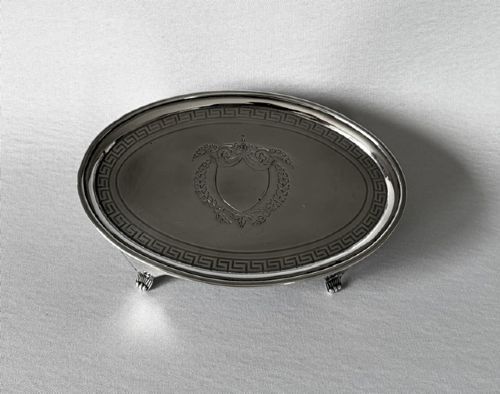
- A flat or slightly raised resting plate used to insulate tabletops from hot teapots. They share similar metal mounting techniques with bottle coasters.
- Armorial Coat Of Arms
- A heraldic design engraved onto the silver surface to denote family lineage. These personalisations add historical provenance to older tableware.
Frequently Asked Questions
What is a sterling silver coaster used for?
These vessels protect dining tables from moisture rings, condensation, and heat damage caused by wine bottles, decanters, and teapots.
The raised rims contain any stray drips while elevating the base off the polished wood surface.
How do I identify the date of a piece?
British pieces feature hallmarks stamped into the silver, including date letters, assay office marks, and the lion passant indicating sterling standard.
Matching these assay stamps against historical hallmarking records reveals the exact year of manufacture.
Why are some combined with glass or wood?
Wood and glass inserts provided a stable, insulating base that prevented heavy glass bottles from clinking directly against the metal.
Mahogany and turned wood introduced warm colour contrasts, while clear glass allowed table surfaces to remain visible underneath.
How should I clean my silver coaster?
Wash the piece gently in warm soapy water, taking care to avoid submerging fitted wooden bases that might warp from excess moisture.
Apply a specialist silver polish with a soft cloth to maintain the shine without abrading engraved details or hallmarks.