

Sterling Silver Bonbon
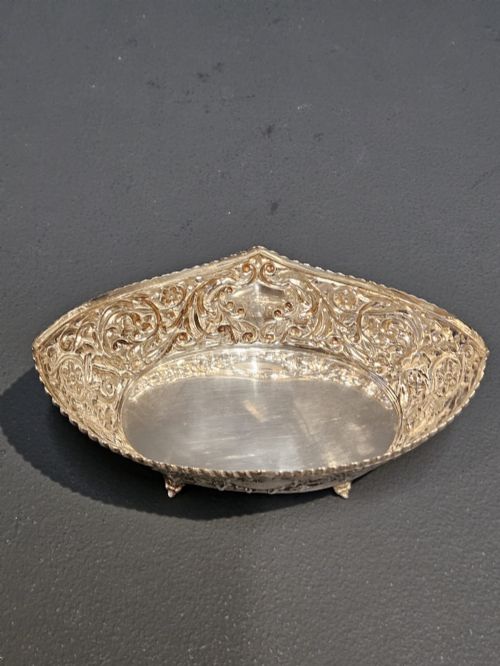
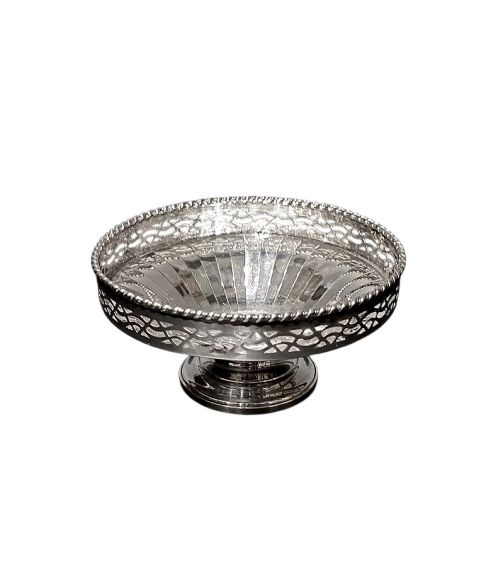
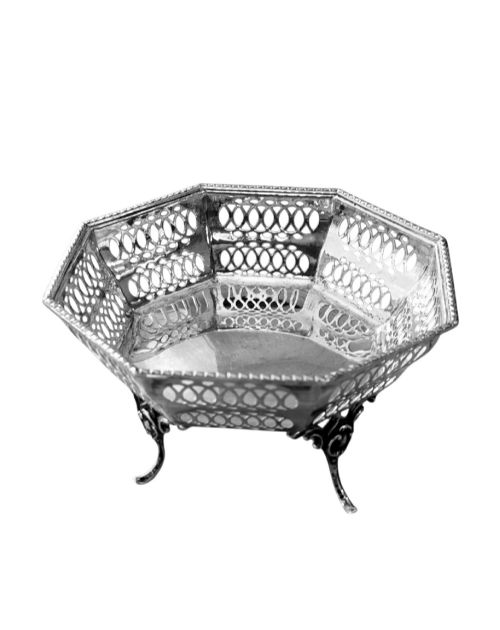
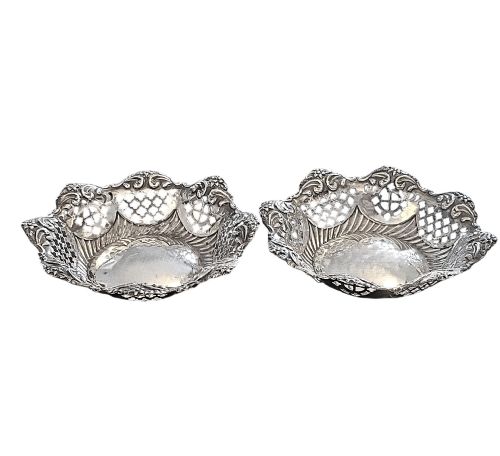
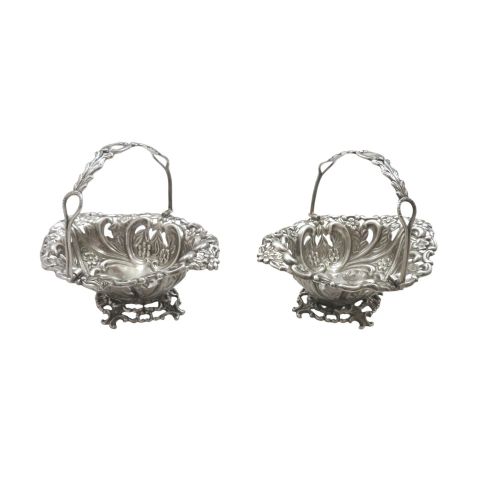
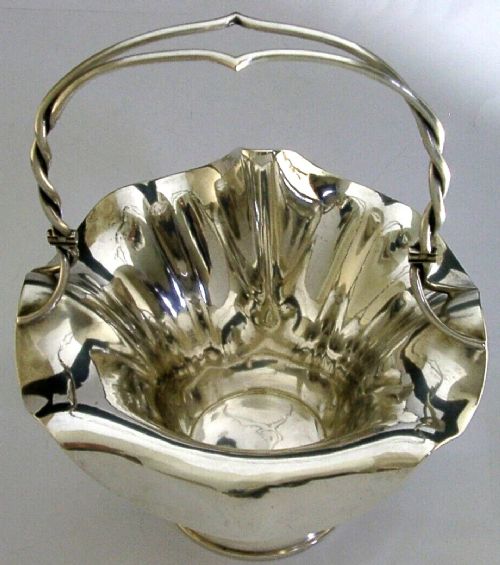
Sterling silver bonbon pieces comprise small dishes, baskets and bowls intended for confections, ranging from Victorian pierced work to Edwardian swing-handled designs.
Sterling Silver Bonbon
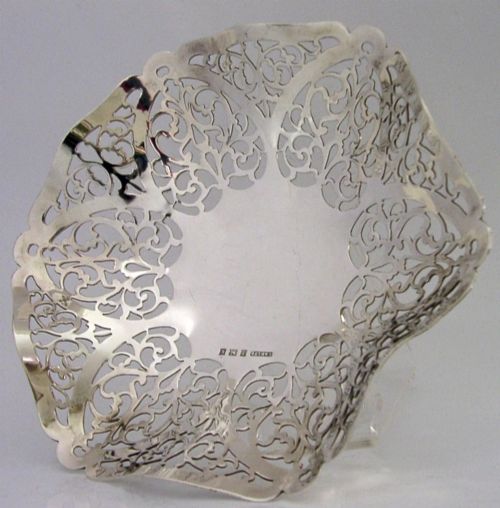
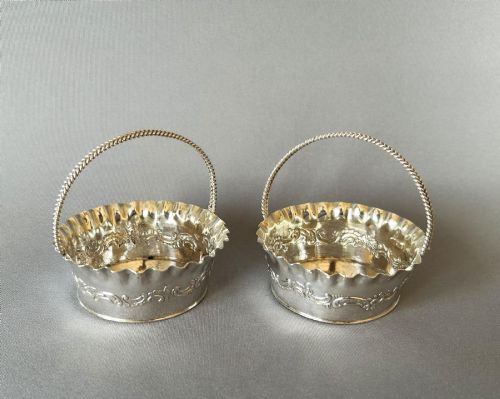
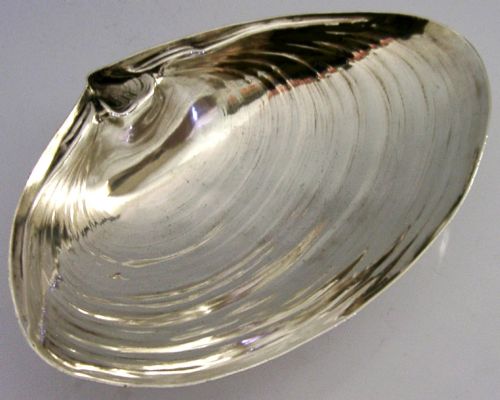
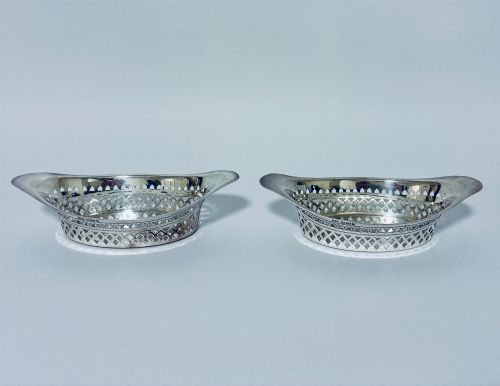
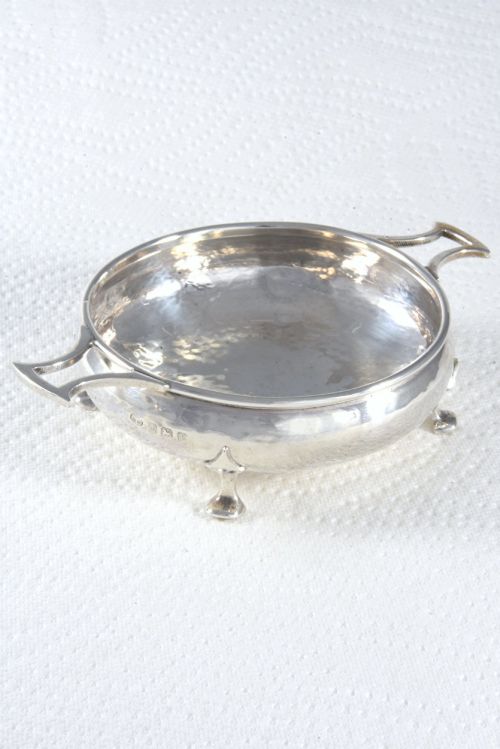
A sterling silver bonbon search reveals a varied selection of small dishes, sweetmeat baskets, trinket bowls and miniature cake stands created to hold confectionery or dry treats. The forms span Victorian, Edwardian and George V periods, featuring Birmingham, Sheffield, London and Chester hallmarks.
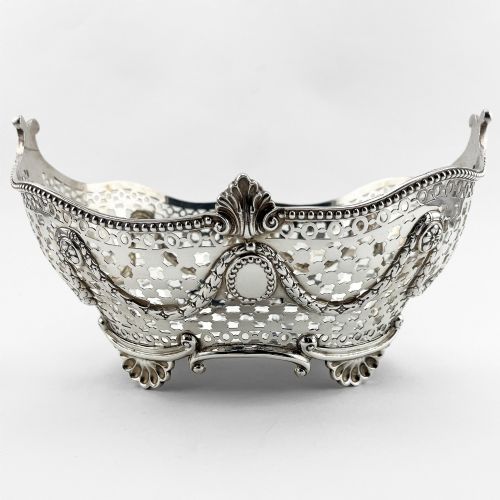
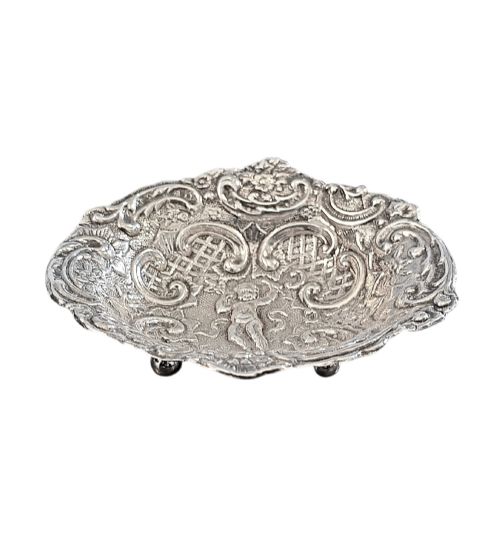
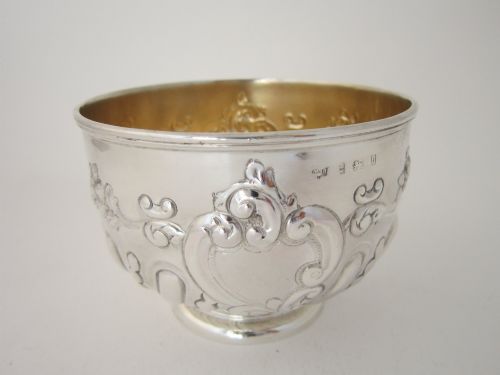
Buyers regularly encounter swing-handled baskets, pierced oval dishes and footed bowls in these listings. Styles shift from Victorian Rococo Revival and Art Nouveau forms to Neoclassical Revival and Georgian examples, showing diverse domestic utility.
Materials and Working Methods
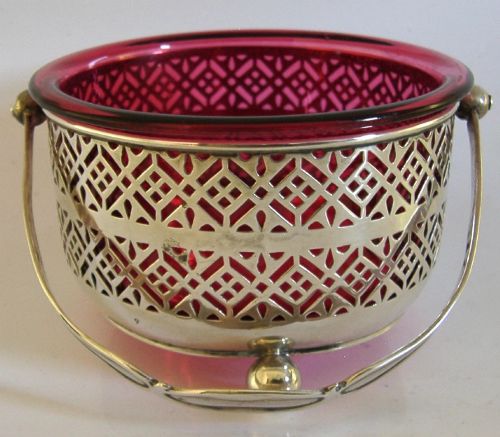
Silversmiths utilised sterling silver and solid silver alongside glass inserts such as cranberry and cobalt liners, combining metals with contrasting translucent colours. Piercing, embossing and casting formed the ornamental motifs on handles, rims and body panels.
Gilding inside the bowl created silver gilt interiors, while swing handles utilised hinged pivots fixed to sturdy bowls. Makers employed techniques like pierced latticework and floral casting to achieve lightweight yet decorative vessels.
Sterling Silver Bonbon Retail Price Guide 2026
Typical asking prices for sterling silver bonbon among the pieces listed under this phrase on Sellingantiques today, from the lower quarter to the upper quarter. They describe what is for sale here now, not the wider market.
Materials appearing across the inventory include solid silver, cranberry glass, cobalt glass and silver gilt.
Distinctions in Quality
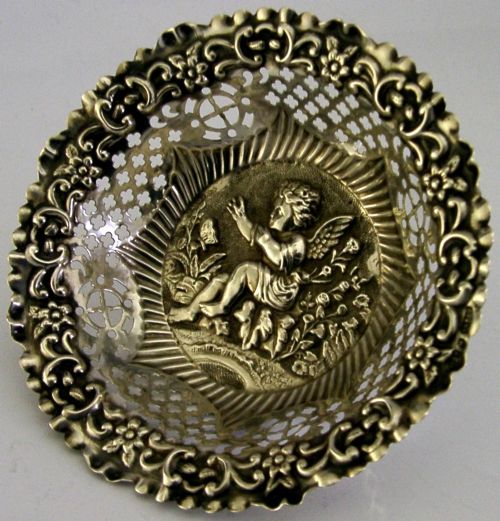
The refinement of pierced work and the crispness of embossed floral or cherub detailing determine the standard of a piece. Delicate casting on handles and pedestals shows the maker's hand more clearly than simpler stamped edges.
The presence of matching glass liners, well-preserved gilding on silver gilt interiors, and legible hallmarks placed by regional assay offices separate standard items from finer workshop output.
Synyer & Beddoes·Wallace·William Aitken·Mitchell Bosley & Co·Thomas Bradbury & Sons·William Comyns·Fenton Brothers·James Deakin & Sons·William Bond·Martin Hall
The Sterling Silver Bonbon Glossary
- Bonbon dish
- A small open vessel designed specifically to hold sweets, sugar plums or small confections upon a table or sideboard.
- Swing handle
- A movable arched handle attached by pins or pivots to the sides of a basket, allowing it to drop flat against the rim.
- Hallmark
- An official stamp applied by an assay office indicating the purity of the silver, the city of origin and the year of manufacture.
- Pierced
- Metalwork perforated with patterns or lattice designs using saws or punches to lighten the visual weight of a dish.
- Silver gilt
- Sterling silver coated with a thin layer of gold on the interior surface, often seen on pedestal dishes and sugar baskets.
Sterling Silver Bonbon: Frequently Asked Questions
What were sterling silver bonbon dishes used for?
These small vessels served sweet confections, sugared almonds and bonbons during formal teas and after-dinner gatherings.
Placed on dining tables or sideboards, they kept treats accessible to guests within domestic settings.
How do I identify a Victorian piece?
Victorian examples frequently display heavy cast floral handles, intricate piercing and embossed motifs reflecting 19th-century revival styles.
Assay office date letters stamped alongside the sterling mark confirm the precise year of creation within the reign.
Are glass liners original to these baskets?
Many baskets and bowls incorporated coloured glass liners made from cranberry or cobalt glass to hold loose contents safely.
These removable inserts protected the silver from sticky residues while adding bright colour contrast to the pierced metalwork.