



Sterling Silver Bar Accessories
These sterling silver bar accessories bring distinct period character to the drinks cabinet, offering solid construction and fine detail for everyday use or display.
Sterling Silver Bar Accessories
Sterling silver bar accessories comprise functional items intended for mixing, serving, and labelling drinks, spanning periods from the late nineteenth century through to the mid-twentieth century.
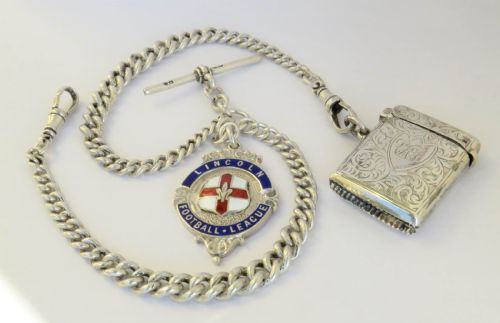
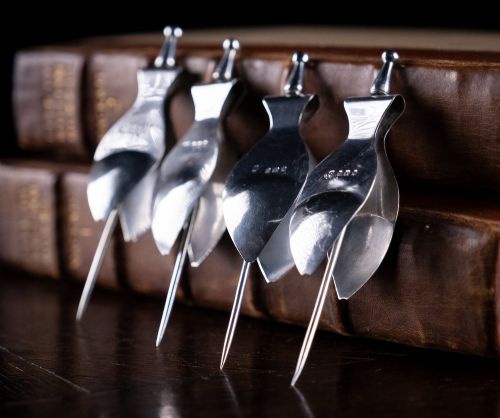
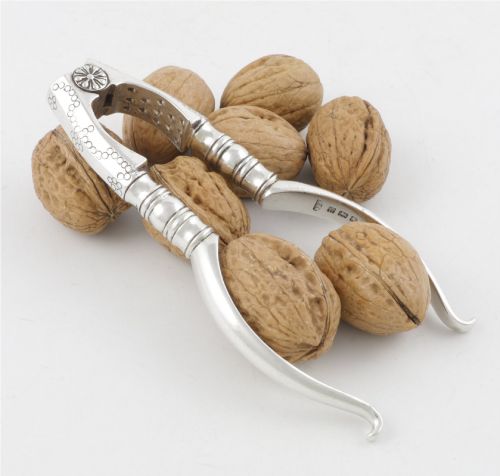
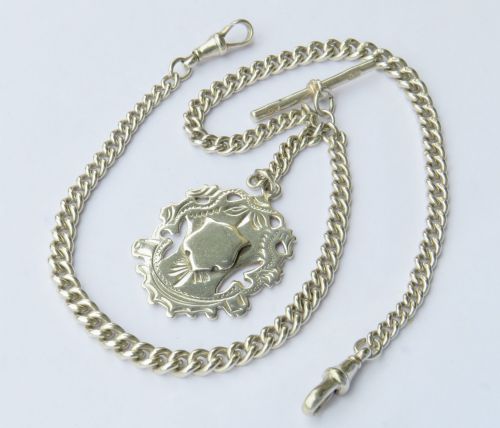
The pieces appearing on this page include cocktail shakers, sets of cocktail sticks, decanter labels, and bar tenders tongs, reflecting social habits of the Edwardian, Art Deco, and Victorian eras.
Buyers seeking these items will find examples ranging from heavy American cocktail shakers to delicate sets of enamel cocktail sticks and lemon wedge squeezers.
How they were made
The primary material used across these pieces is sterling silver, often combined with coloured enamel work to create geometric Art Deco patterns on items like cocktail sticks.
Silversmiths utilised traditional forming techniques such as casting, hammering, and stamping to shape shakers, labels, and tongs, occasionally incorporating rose gold highlights or velvet presentation lining.
Sterling Silver Bar Accessories Retail Price Guide 2026
Typical asking prices for sterling silver bar accessories among the pieces listed under this phrase on Sellingantiques today, from the lower quarter to the upper quarter. They describe what is for sale here now, not the wider market.
The listings span several eras, showing periods from the Victorian and Edwardian years through Art Deco developments up to 1940.
What varies in quality
Quality in these bar accessories rests on the weight of the silver, the crispness of maker marks, and the preservation of any applied enamel decoration.
Sets that retain their original fitted boxes and matching components command greater interest than assembled groups, while distinct period styling elevates the visual appeal of simpler forms.
Richard Comyns·Tuttle
The Sterling Silver Bar Accessories Glossary
- Sterling silver
- A standard of silver containing 92.5 percent pure silver and 7.5 percent other metals, usually copper, ensuring durability for practical items.
- Decanter labels
- Small silver tags hung by chains around the necks of bottles to identify their contents, often shaped with decorative borders.
- Art Deco
- A design style popular in the 1920s and 1930s characterised by sleek geometric shapes, stylised motifs, and vibrant enamel colours.
- Cocktail sticks
- Small pointed implements used for piercing garnishes such as olives or fruit slices, frequently sold in matched sets within fitted boxes.
Sterling Silver Bar Accessories: Frequently Asked Questions
How do I clean silver bar accessories?
Use a soft cloth and a gentle silver polish specifically formulated for solid silver items. Avoid abrasive cloths that might scratch engraved details or damage enamel work.
Take care around chained elements and hinges to prevent bending or breaking delicate components during maintenance.
Are these cocktail shakers usable today?
Many solid silver shakers from the mid-century remain entirely functional for mixing and serving drinks. Check the internal condition and the fit of the lid before use.
Ensure any vintage lining or cork elements are clean and stable if you intend to use the piece for beverages.
How can I date silver items?
British pieces feature hallmarks that include a date letter indicating the exact year of assay. Maker marks and standard sterling marks also help place the piece within a specific decade.
Style indicators such as Art Deco geometry or Victorian ornamentation provide further clues when hallmarks are rubbed or absent.
What does a decanter label indicate?
Decanter labels were used in formal dining settings to distinguish between various spirits and wines housed in matching decanters. They hang from short chains around the bottle neck.
Collectors often group these labels by period, shape, or the specific beverage names inscribed upon them.