


Sterling Silver Animal Sculpture
These sterling silver animal sculpture pieces are solid metal forms of creatures ranging from birds to running foxes, prized for their weight and detail.
Sterling Silver Animal Sculpture
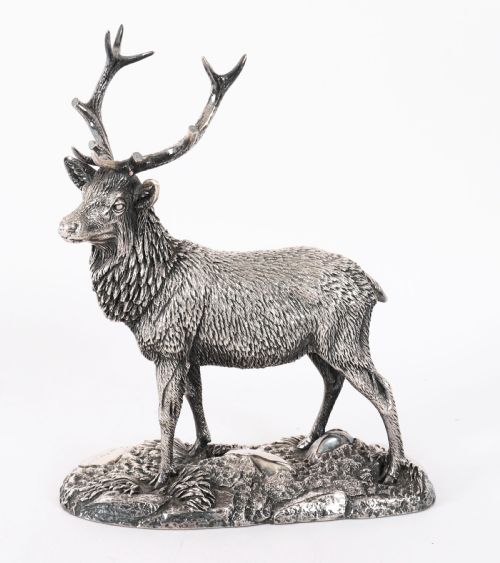
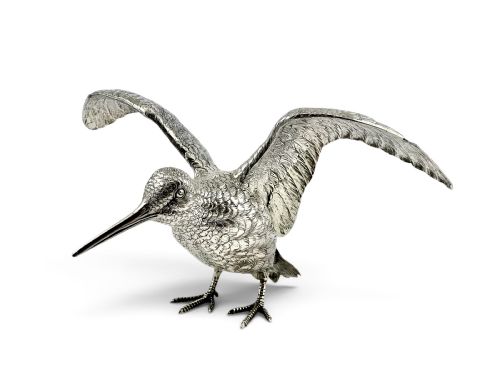
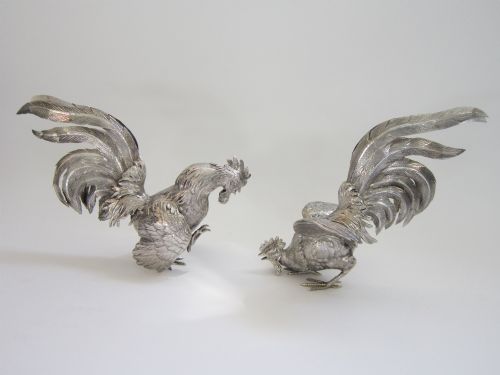
A sterling silver animal sculpture captures creatures in solid metal, spanning from small table ornaments to substantial standing figures. When you search for this phrase, you encounter forms ranging from late Victorian woodcocks to mid-century British foxes and fighting cockerels.
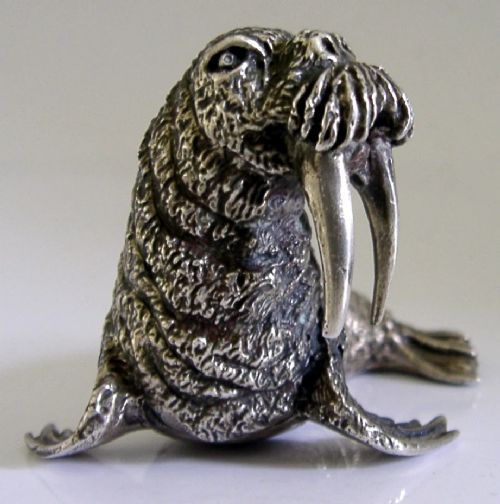
The selection includes specific animal models mounted on black ebony plinths, sugar boxes shaped like squirrels, and detailed marine life such as walrus figures and lion fish. Most pieces date from the Victorian era through the mid-twentieth century, with strong representation from nineteen-fifty and later decades.
Continental workshops and British makers both contribute to this category, offering animalier works and decorative figurines. Buyers frequently meet mid-century Italian and British interpretations alongside older nineteenth-century table ornaments.
How they were made
These sculptures utilise sterling silver and silver, often shaped through casting techniques to achieve the lifelike postures of stags, birds, and running foxes. Heavy metal construction gives figures like the walrus and running fox significant physical weight in the hand.
Certain pieces incorporate contrasting materials, mounting silver animal figures upon black ebony wood plinths. Hallmarks, signatures, and detailed chasing distinguish the surface work of individual makers on these solid metal forms.
A squirrel once served sugar from a box.
What varies in quality
Quality in a sterling silver animal sculpture rests upon the naturalism of the form and the crispness of the surface detail, such as feather texture on cockerels or fur rendering on foxes. Heavier weight relative to size generally indicates a more substantial cast rather than a hollow shell.
Signed works by noted makers and identifiable town marks or maker's marks elevate an object above unmarked production pieces. The integration of mounting materials, such as a fitted black ebony wood plinth, also distinguishes finer display pieces.
Tom Mackie·Berthold Muller·Mario Bucellati
The Sterling Silver Animal Sculpture Glossary
- Animalier
- A nineteenth-century artistic movement and style dedicated to the realistic portrayal of animals, particularly in sculpture and decorative metalwork.
- Sterling silver
- An alloy comprising ninety-two point five percent silver by mass, with the remainder usually copper, standard for British decorative objects and tableware.
- Table ornament
- A small decorative sculpture designed to sit upon a dining table, desk, or surface rather than function as a utilitarian vessel.
- Hallmark
- An official stamp applied by an assay office to indicate the purity of the metal, the maker, and the year of manufacture.
- Plinth
- A heavy flat base or block upon which a sculpture or figure is mounted for display.
Sterling Silver Animal Sculpture: Frequently Asked Questions
What periods do these silver animals come from?
The pieces span from the late Victorian period through the Edwardian era and into the mid-twentieth century, including works from nineteen-fifty, nineteen-sixty, and later decades.
Victorian and Edwardian examples sit alongside mid-century British and Continental interpretations, offering a broad chronological range for collectors.
Are these sculptures solid silver?
Many listings specify solid sterling silver construction, often noted for heavy gram weights in figures such as the running fox and walrus.
Some pieces combine this solid metal work with other natural materials, such as mounting the silver animal figure upon a contrasting black ebony wood plinth.
How do I display a silver animal sculpture?
These table ornaments and decorative figures suit placement on desks, mantelpieces, and cabinets where their three-dimensional form can be viewed from multiple angles.
Certain models arrive fixed to fitted black ebony plinths, while others stand directly on their own cast silver feet or bases.
What types of animals are represented?
The selection covers a diverse menagerie, including stags, woodcocks, fighting cockerels, squirrels, running foxes, horses, lion fish, and walruses.
Formations range from standing naturalistic wildlife to functional objects shaped like animals, such as the squirrel sugar box.