


Sterling Calling Card Case
A sterling calling card case is a silver pocket accessory designed for social visits, offering portable elegance and tactile history.
Sterling Calling Card Case
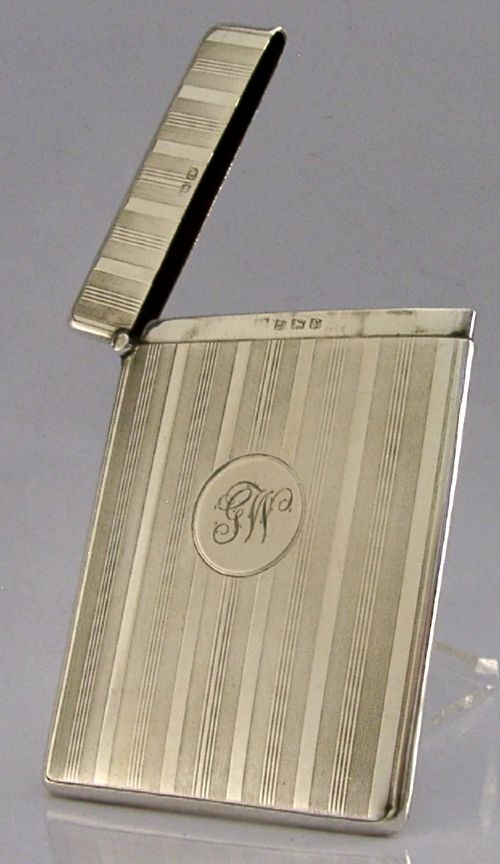
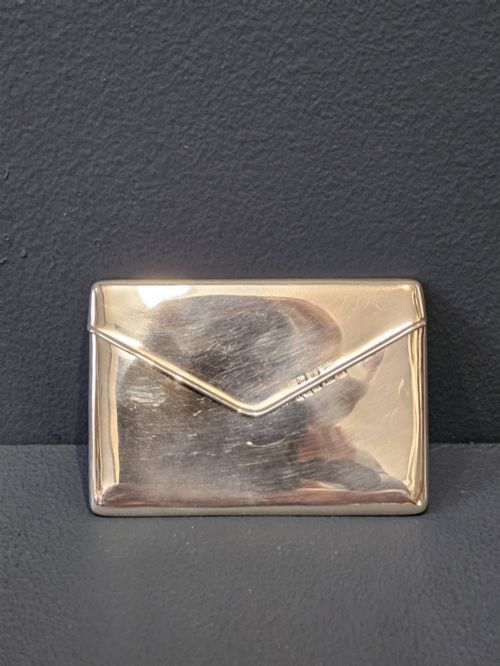
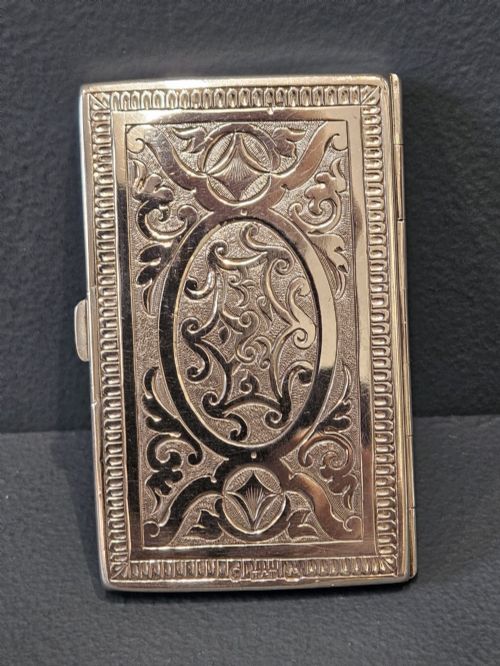
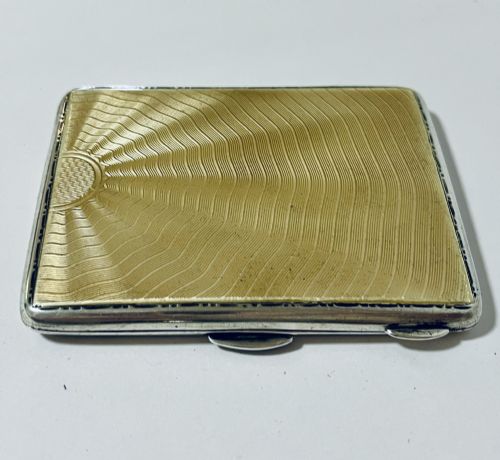
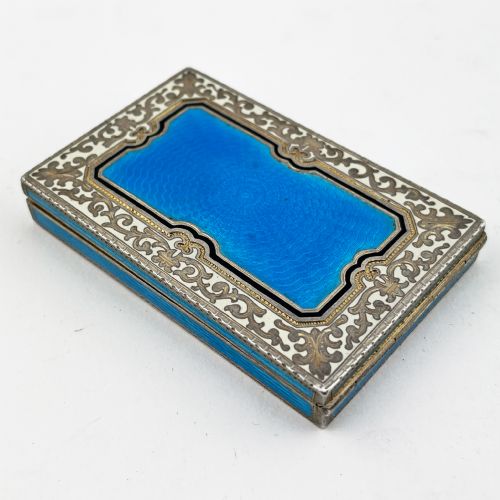
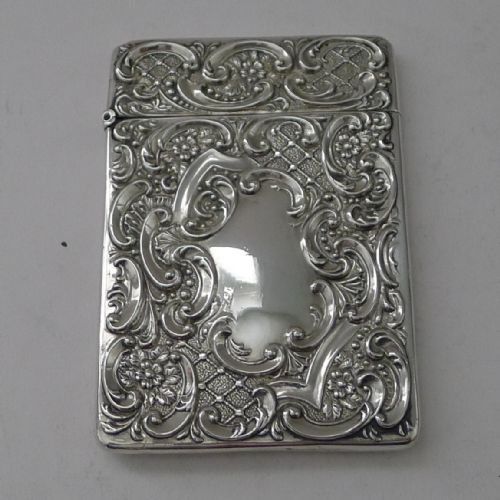
A sterling calling card case is an intimate pocket accessory designed to hold visiting cards during formal social calls in the nineteenth and early twentieth centuries. The pieces on this page span the Victorian and Edwardian eras, reaching into the Art Deco period, with forms ranging from simple silver envelopes to hinged spring-opening boxes.
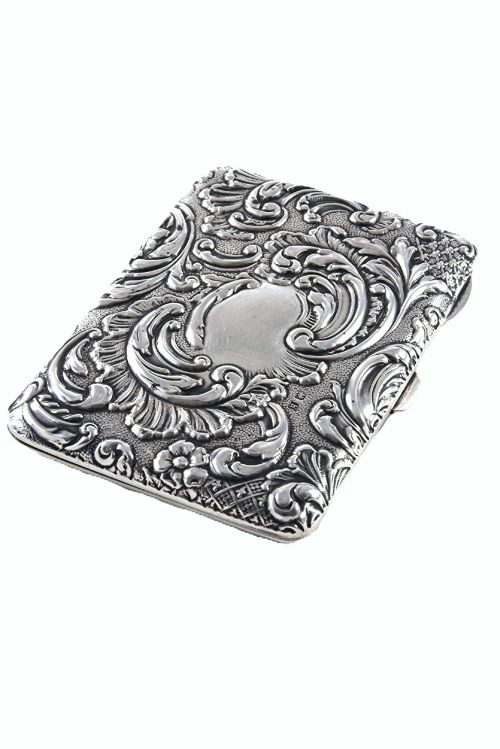
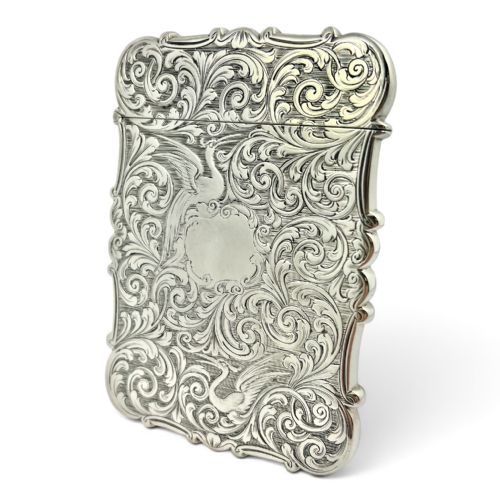
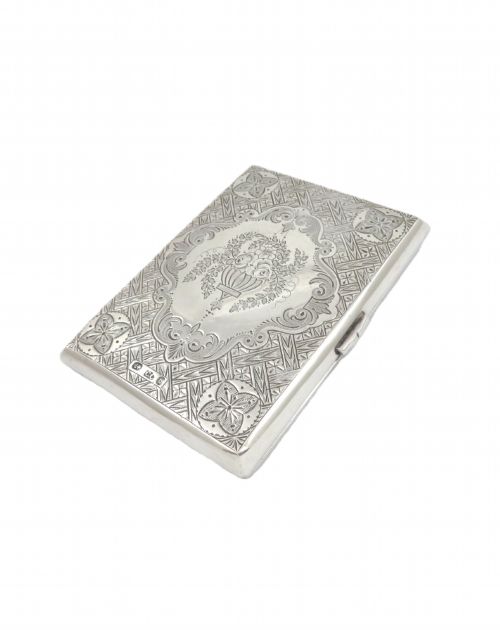
The most frequent examples encountered here are Victorian and Edwardian sterling silver card cases, often embellished with engraved foliate scrolls or architectural motifs. Some versions combine compartments for stamps or paper notes, reflecting the evolving domestic habits of the period.
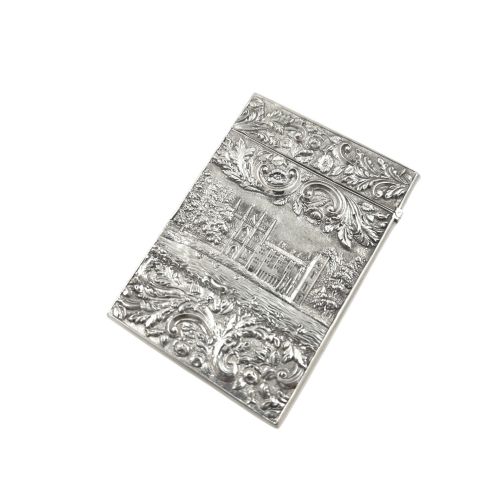
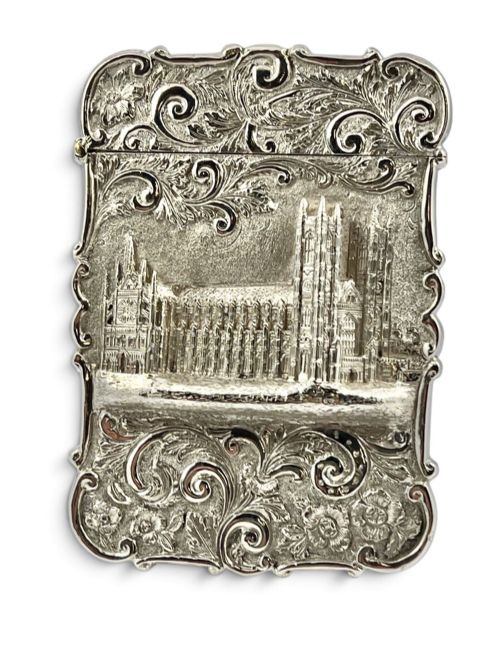
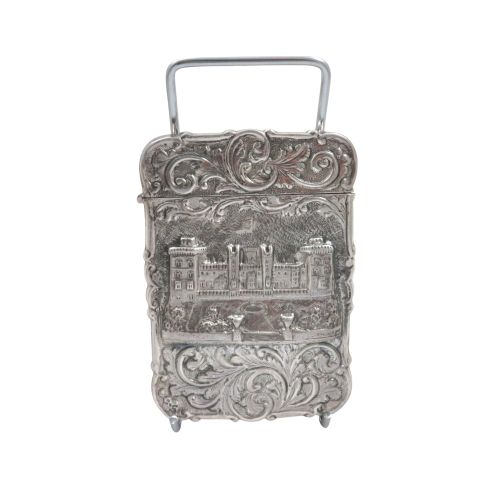
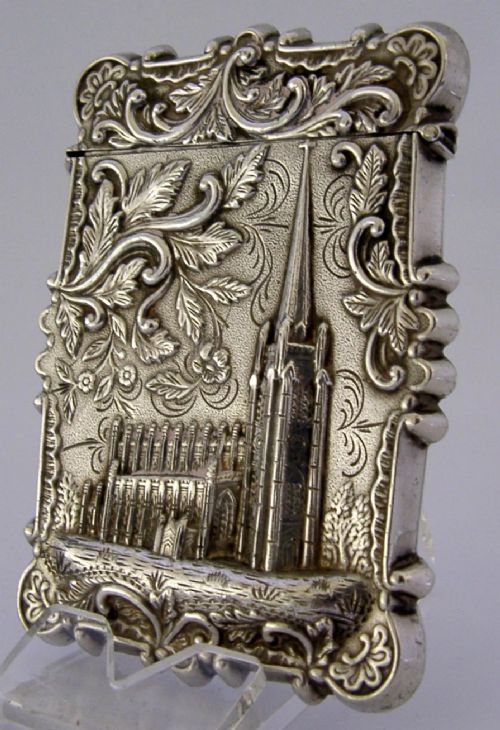
Originating predominantly from British workshops, particularly Birmingham, these cases also appear in Continental and American iterations. Collectors meet distinct regional variations, from plain polished silver surfaces to elaborate cast castle top designs depicting landmarks like Windsor Castle or St Paul's Cathedral.
Quality and Craftsmanship
The distinction between standard examples and superior pieces rests on the crispness of the hand engraving and the complexity of the form. Relief work, such as detailed architectural castle top scenes, demands exceptional chasing skill that separates ordinary production from master craftsmanship.
Mechanical integrity also dictates quality, observed in the snugness of the push-release catches, the alignment of spring-opening envelope mechanisms, and the crisp click of the hinged lid. Original fitted boxes and intact interior linings elevate the preservation status of surviving pieces.
Sterling Calling Card Case Retail Price Guide 2026
Typical asking prices for sterling calling card case among the pieces listed under this phrase on Sellingantiques today, from the lower quarter to the upper quarter. They describe what is for sale here now, not the wider market.
Nathaniel Mills·George Unite
The Sterling Calling Card Case Glossary
- Castle top
- A silver piece featuring a high-relief engraving or cast depiction of a famous building or landmark on the cover. These architectural scenes are particularly sought after by collectors of nineteenth-century silver.
- Aide memoire
- A small pocket notebook or case incorporating ivory leaves, paper panels, or a pencil for recording social engagements. They often share similar hinged silver formats with standard card cases.
- Vitreous enamel
- Glass powder fused to a metal surface at high temperatures to create coloured decorative designs. This technique adds vibrant blue, green, or white decoration to the silver exterior.
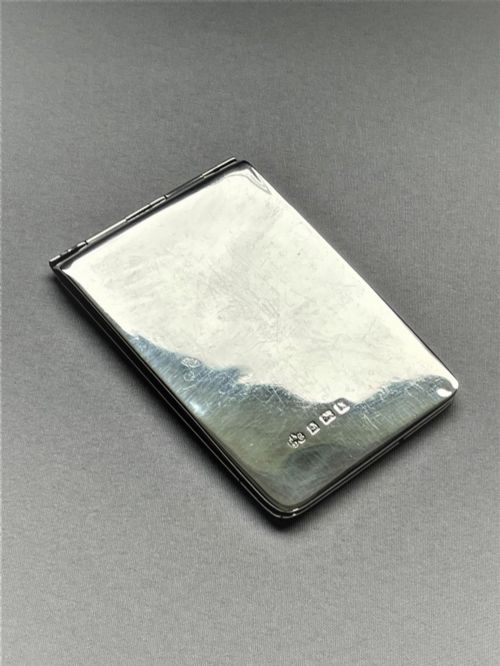
- Hallmark
- A series of stamped marks on precious metals indicating the standard of purity, the assay office, and the date letter. British silver hallmarks provide reliable dating down to the specific year of manufacture.
- Spring opening
- A mechanical hinge mechanism that causes the case lid to pop open automatically when a button or catch is depressed. This clever engineering allowed users to access cards with one hand.
Sterling Calling Card Case: Frequently Asked Questions
What fits inside a sterling calling card case?
These slim receptacles were originally sized specifically for thin paper visiting cards, which measured smaller than modern business cards. Today they accommodate folded notes, modern credit cards, or paper mementos depending on the internal depth.
Buyers should check internal dimensions if planning to carry contemporary items, as some antique variants feature very tight spring compartments.
How do I date a silver card case?
Dating relies heavily on the assay office hallmarks stamped directly onto the silver frame, which include date letters corresponding to specific years. Stylistic clues such as Victorian Gothic revival motifs or geometric Art Deco lines also narrow down the period of manufacture.
Examining the type of hinge and engraving style provides further confirmation of whether a piece originates from the mid-nineteenth century or the Edwardian era.
Were these cases used by men or women?
Visiting card cases served both gentlemen and ladies during the strict social etiquette of the Victorian and Edwardian periods. Gentlemen typically carried slim cases in waistcoat pockets, while ladies kept them in decorative evening reticules.
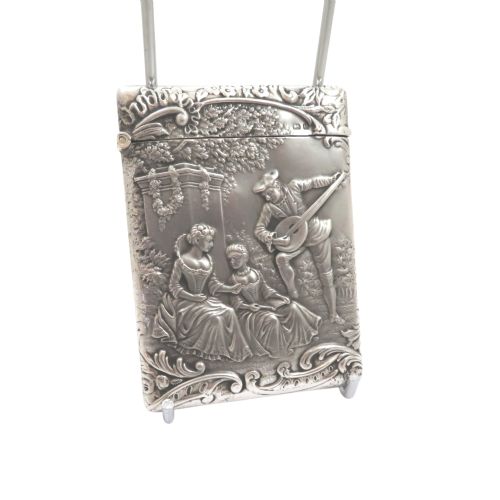
Designs ranged from sober engine-turned silver boxes to elaborate pictorial scenes and colourful enamel highlights suited to various social contexts.
How should I clean antique silver cases?
Maintenance requires minimal intervention using a soft microfibre cloth to gently remove tarnish without abrading the delicate chased details. Avoid harsh chemical dips, especially on pieces featuring enamel, velvet linings, or Connemara marble inserts.
Preserving the natural dark patina within the recessed grooves of the engraving enhances the visual contrast and historical character of the object.