




Stepped Walnut Cabinet
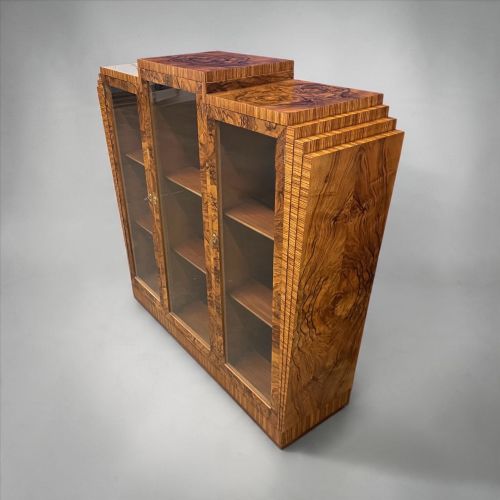
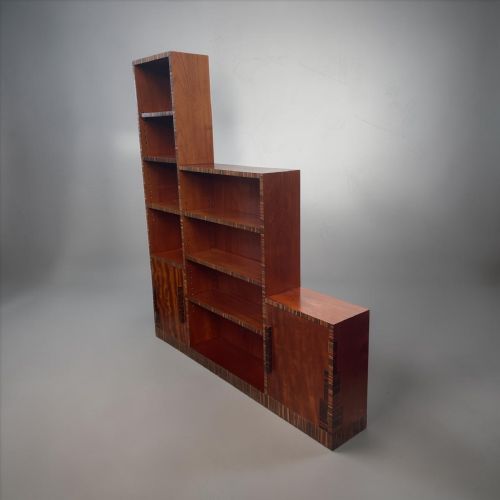
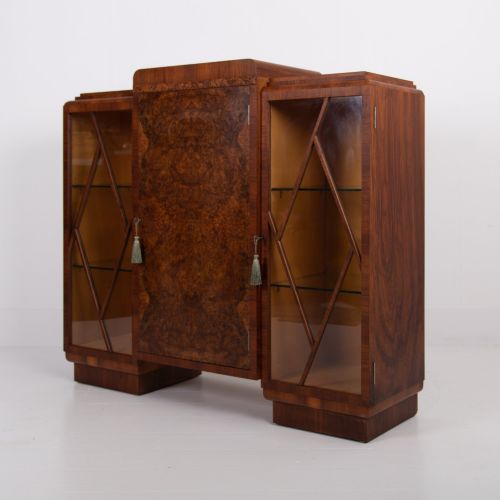
A stepped walnut cabinet brings sharp architectural geometry and rich timber grain to an interior, making it a focal point for any collector of modernist design.
Stepped Walnut Cabinet
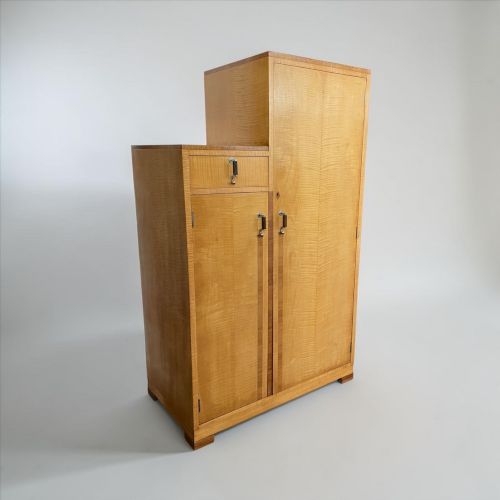
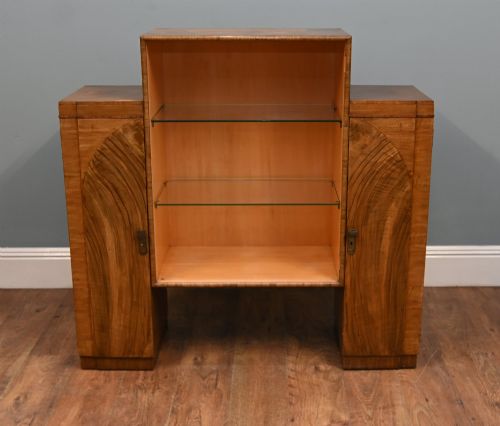
When you search for a stepped walnut cabinet, you encounter striking furniture primarily rooted in the Art Deco period of nineteen thirty alongside earlier Victorian examples. These pieces span diverse forms including sideboards, bookcases, wardrobes, chests of drawers, cocktail cabinets, bureau cabinets, and display cabinets.
You are most likely to meet pieces defined by bold tiered silhouettes and rich walnut or burr walnut surfaces. Makers and manufacturers of the nineteen thirties embraced this stepped profile to create dynamic height variations across sideboards and bookcases.
How they were made
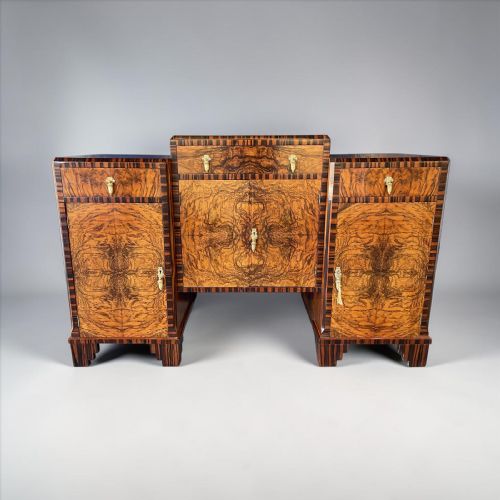
Craftsmen utilised solid walnut and walnut veneer over supportive wood carcases to achieve the signature figured grain patterns across large flat surfaces. Burr walnut sections were carefully selected for doors and drawer fronts to display intricate natural swirls.
Makers integrated contrasting materials such as brass fittings, glass panels, bakelite details, and ebony highlights to punctuate the dark timber surfaces. Construction techniques combined traditional cabinet-making with the sleek geometric demands of modernist design.
Stepped Walnut Cabinet Retail Price Guide 2026
Typical asking prices for stepped walnut cabinet among the pieces listed under this phrase on Sellingantiques today, from the lower quarter to the upper quarter. They describe what is for sale here now, not the wider market.
Some nineteen thirties cocktail cabinets hide their glassware behind tiers so sharp they look ready to slice a lemon.
What varies in quality
The sophistication of the veneer matching largely separates ordinary examples from exceptional ones. Premium pieces display symmetrical grain patterns that flow seamlessly across multiple drawers or cabinet doors.
The precision of the stepped architectural tiers and the integration of secondary materials like brass and ebony dictate the overall refinement of the construction. Superior examples maintain crisp geometric lines without distortion or mismatched timber tones.
Harry and Lou Epstein·Hille
The Stepped Walnut Cabinet Glossary
- Burr walnut
- A highly figured timber harvested from the tree's growth growths, prized for its swirling patterns. It provides dramatic visual texture on cabinet doors.
- Art Deco
- A design style from the nineteen thirties characterised by sleek geometric shapes, streamlined forms, and modern industrial materials. It dominates the stepped furniture aesthetic.
- Veneer
- A thin layer of superior walnut applied over a stable wood base to create decorative surfaces. This technique allows cabinet-makers to utilise striking grain patterns efficiently.
- Bureau cabinet
- A multifunctional piece combining a writing desk workspace with enclosed shelving or storage above. These items often feature drop-front writing surfaces.
Stepped Walnut Cabinet: Frequently Asked Questions
What periods are these cabinets from?
The pieces listed originate primarily from the nineteen thirties, representing the height of the Art Deco movement. A few examples date back to the Victorian era.
These earlier Victorian items focus on traditional open shelving rather than the tiered modernist geometry seen in nineteen thirties pieces.
How do I care for walnut veneer?
Walnut surfaces require protection from direct sunlight and excessive moisture to prevent fading and veneer lifting. Regular dusting with a soft cloth maintains the timber's natural lustre.
Avoid chemical polishes that can degrade the original polish or damage delicate burr grain patterns over time.
Where were cocktail cabinets placed?
Cocktail cabinets served as social furniture in reception rooms and dining spaces during the nineteen thirties. They housed glassware, spirits, and mixing equipment behind locking doors.
Their stepped profiles and mirrored interiors added a dramatic flair to evening entertaining.
What defines the stepped style?
The stepped style relies on cascading heights and receding horizontal tiers that create a distinct ziggurat silhouette. This architectural approach gave modernist furniture a sense of vertical movement.
It distinguishes nineteen thirties design from the simpler flat surfaces of earlier eras.