

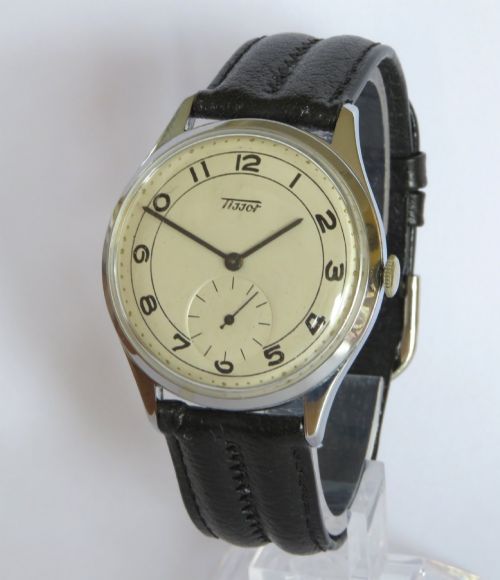
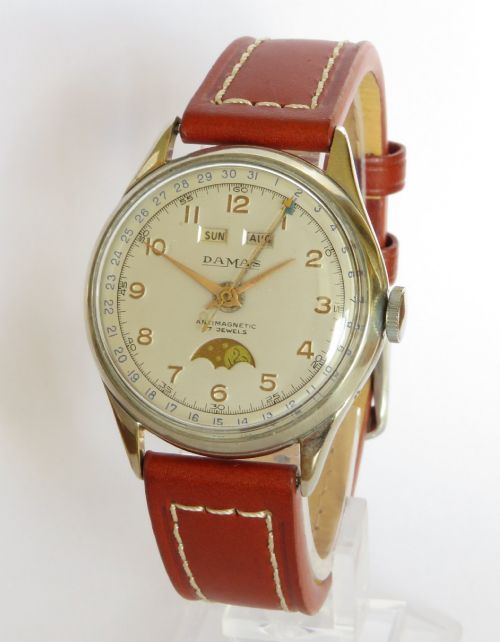
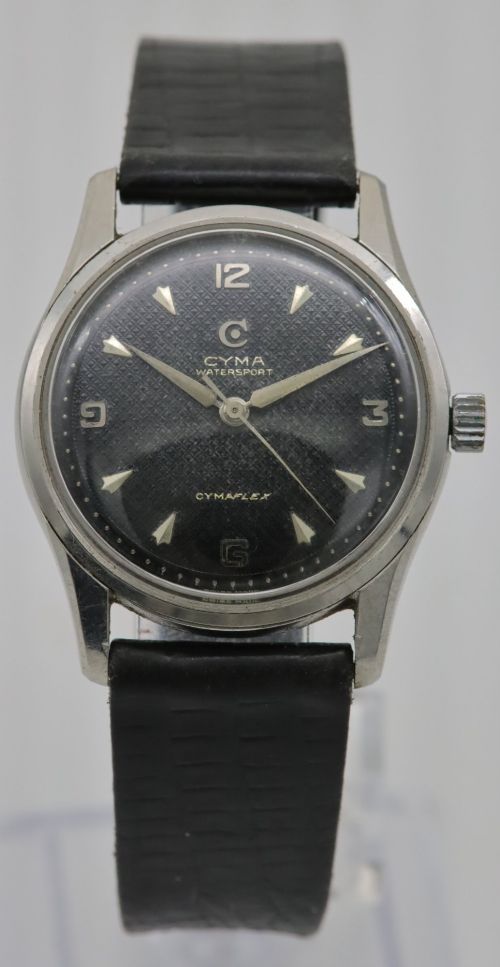
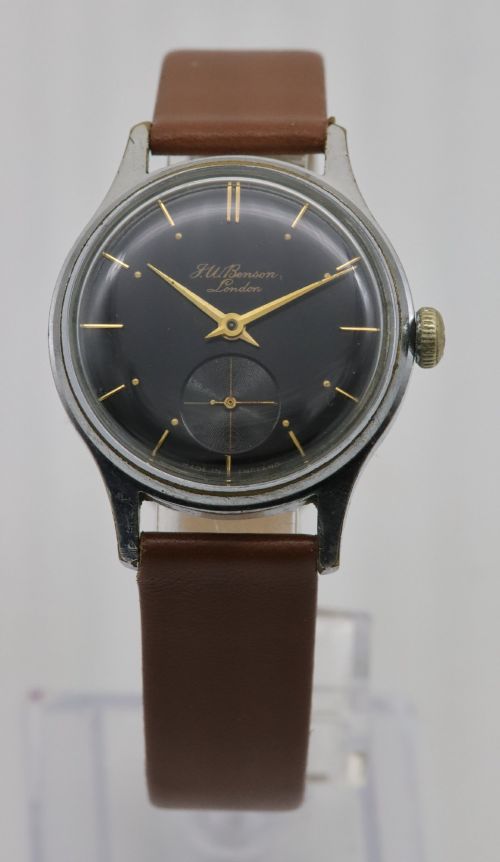
Steel Leather Watch
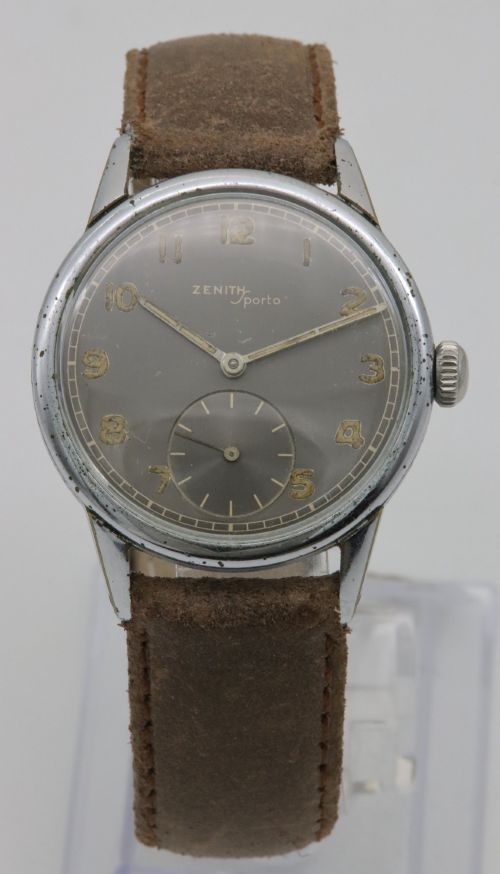
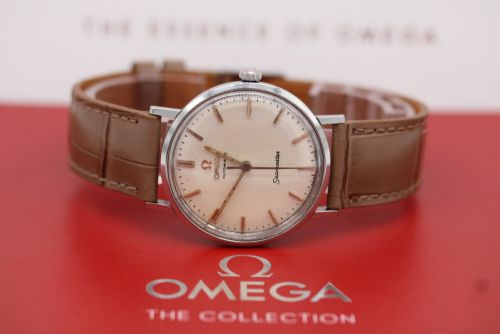
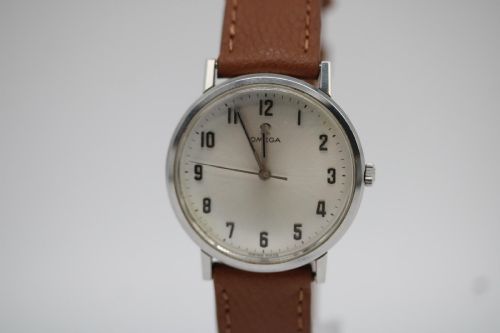
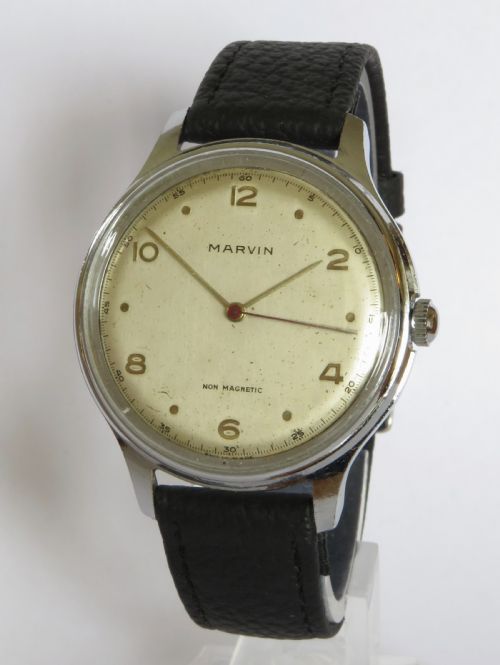
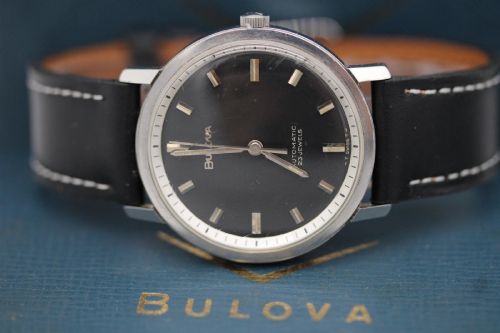
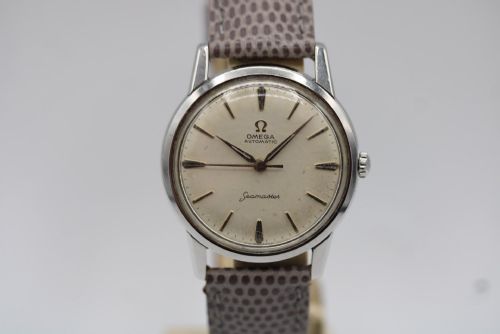
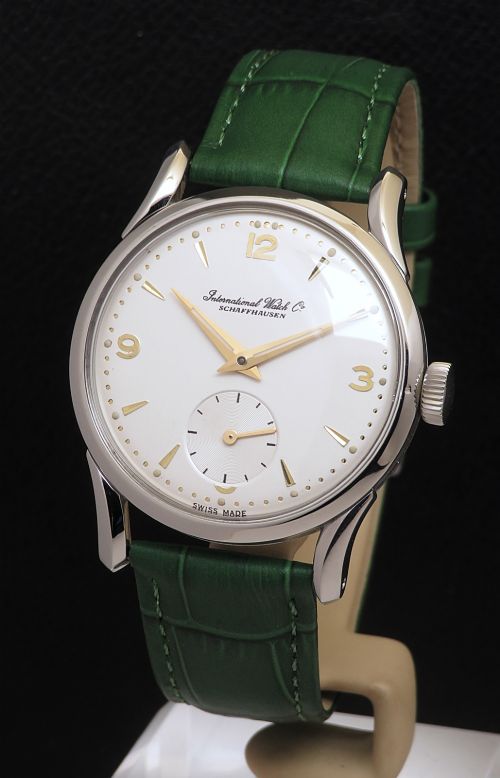
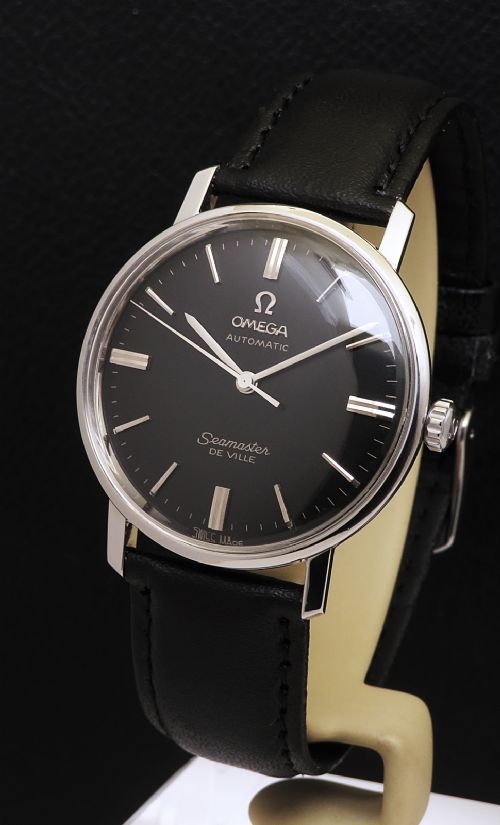
These steel leather watch examples bring together mid-century mechanical precision and durable hides for daily wear.
Steel Leather Watch
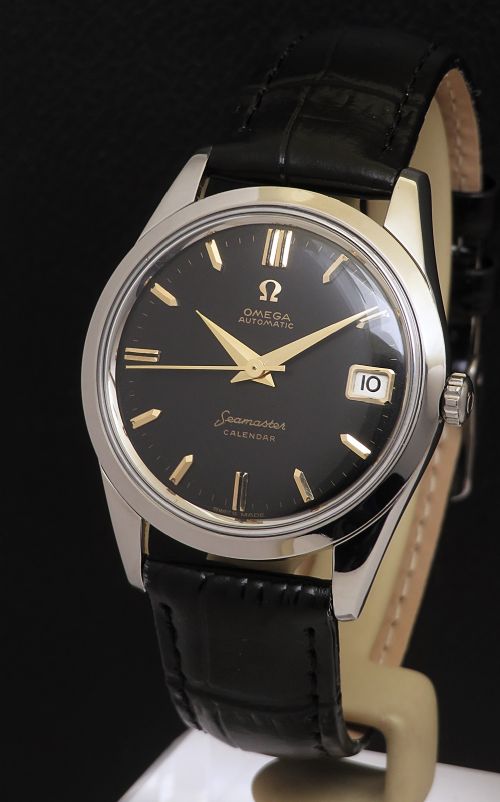
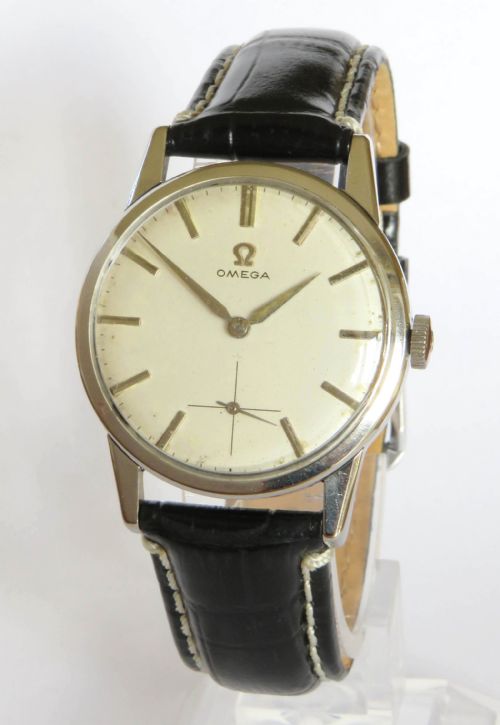
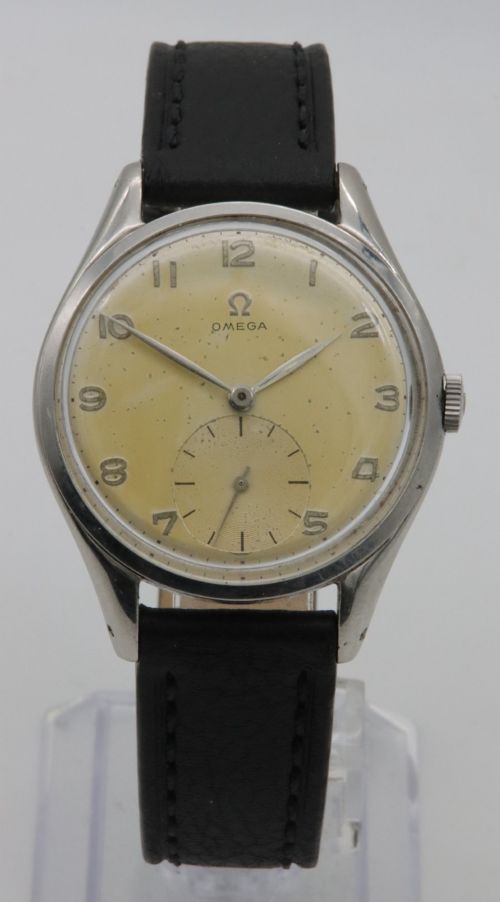
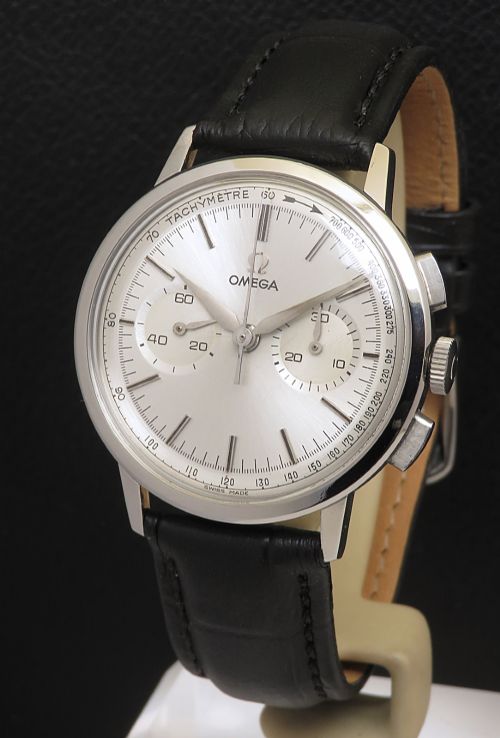
A steel leather watch combines a metal casing with a strap derived from animal hide, forming a dependable wrist timepiece. When exploring a steel leather watch selection, a buyer encounters specimens primarily originating from the 1930s, 1940s, 1950s, and 1960s. These pieces span wristwatches and chronograph designs produced during distinct mid-century stylistic eras.
The most common versions met on this page are gents wristwatches featuring stainless steel cases paired with leather bands. Influential horological names appear alongside diverse mechanical movements, manual wind calibres, and automatic systems. Buyers seek these items for their enduring utility and historical mechanical character.
Materials and Construction
Construction relies heavily on stainless steel for case durability, enclosing complex inner movements while protecting against daily wear. Acrylic and acrylic glass provide clear dial protection, paired with fitted metal components.
Strap elements utilise genuine leather secured to the metal casing through traditional spring bars or fixed lugs. Swiss movements dominate the mechanical architecture, featuring jewelled levers and metal gears assembled by hand.
Steel Leather Watch Retail Price Guide 2026
Typical asking prices for steel leather watch among the pieces listed under this phrase on Sellingantiques today, from the lower quarter to the upper quarter. They describe what is for sale here now, not the wider market.
Listings feature periods spanning from the 1930s through to the 1970s, utilising stainless steel, glass, and acrylic.
Evaluating Quality and Condition
The standard of a timepiece rests on the originality of its dial, hands, and case components rather than superficial shine alone. Pieces retaining factory finishes and untouched dials command greater respect among collectors than those with heavy replacement parts.
Movement preservation dictates long-term performance. Clean mechanical calibres with documented service histories indicate superior manufacturing upkeep compared to neglected mechanisms requiring extensive component replacement.
Omega·Cyma·JW Benson·Zenith·Bulova·International Watch Company IWC·Tudor·Montilier·Hamilton·Gruen·Antoremi·Longines·Seiko
The Steel Leather Watch Glossary
- Calibre
- The specific internal mechanical movement or model created by a watch manufacturer. Each calibre number identifies the distinct architectural layout and function of the gears and springs.
- Chronograph
- A specialised watch equipped with a stopwatch function alongside standard time-displaying hands. Independent pushers control the start, stop, and reset operations of the secondary timing mechanism.
- Manual wind
- A mechanical watch movement requiring regular hand rotation of the crown to tension the mainspring. Unlike automatic versions, it contains no internal rotor powered by wrist movement.
- Automatic
- A self-winding mechanical movement that utilises a weighted internal rotor driven by the motion of the wearer's arm. This spinning weight continuously tensions the mainspring during normal daily use.
- Tank watch
- A rectangular timepiece characterised by vertical case sides that extend into the strap attachments. The geometry borrows its visual inspiration from military combat vehicles viewed from above.
Steel Leather Watch: Frequently Asked Questions
What is a steel leather watch?
A steel leather watch is a wrist timepiece featuring a metal case paired with a leather strap. These items combine robust metallic housing with flexible hide bands for wrist wear.
Most examples found here date from the mid-twentieth century, showcasing mechanical movements and classic dial layouts. They remain popular for everyday practicality combined with vintage aesthetic appeal.
How do I wind a mechanical watch?
Winding a mechanical watch involves turning the small crown on the side of the case in a clockwise direction until gentle resistance is felt. Care must be taken not to force the crown past this stopping point to avoid damaging the internal mainspring.
Manual wind models require this action daily, whereas automatic models wind themselves through natural wrist motion. Regular winding keeps the internal gears functioning accurately throughout the day.
Can I wear a vintage watch daily?
Wearing a vintage watch daily is entirely possible provided the piece receives proper care and regular mechanical servicing. Many historical timepieces were built for robust daily utility by their original manufacturers.
However, owners should check water resistance ratings and protect older acrylic crystals from harsh impacts. Avoiding moisture exposure helps preserve the integrity of both the metal case and the leather strap.
How do I care for leather straps?
Leather straps require protection from excessive moisture, sweat, and direct sunlight to prevent drying and cracking over time. Wiping the underside gently with a dry cloth after wear removes natural oils.
Conditioning creams formulated for leather can maintain flexibility when applied sparingly. Replacing worn straps periodically protects the fixed lugs and prevents accidental drops.
What is a chronograph function?
A chronograph function allows the watch to operate as an independent stopwatch alongside regular timekeeping. Pushers positioned on the exterior case allow the wearer to measure elapsed intervals of time.
This complication utilises additional sub-dials on the face to record seconds and minutes. It represents a sophisticated mechanical achievement highly valued in vintage timepieces.