



Steel Hearth Guard
A steel hearth guard keeps stray embers from the floor while anchoring the fireplace with bright metal and sober form.
Steel Hearth Guard
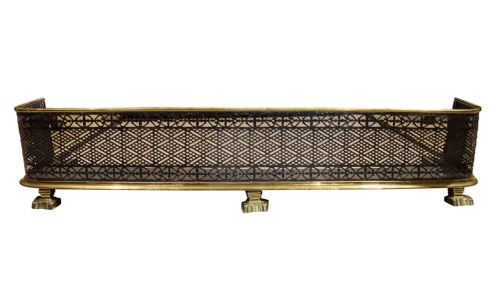
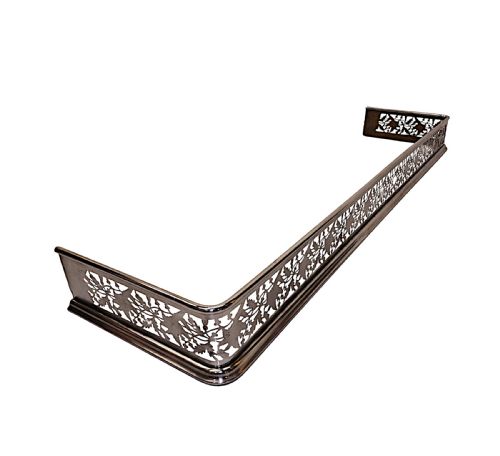
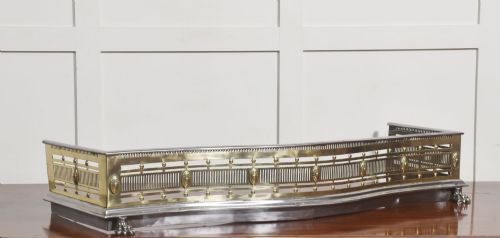
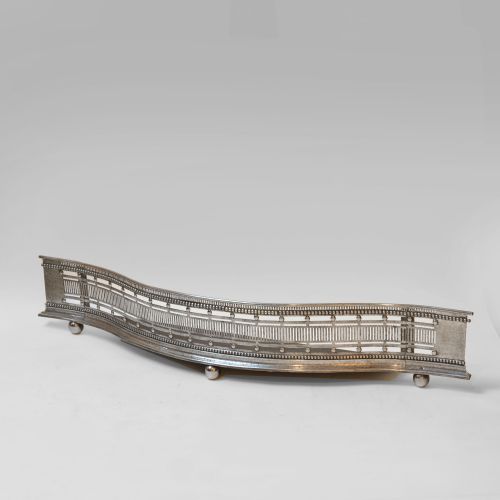
A steel hearth guard stands directly before the open fire to protect the room from sparks and falling coal, serving as the formal boundary of the hearth. These pieces range from restrained Regency curbs to large serpentine frontages with detailed piercing.
The inventory on this page spans the Georgian, Victorian, and Edwardian periods, alongside examples from around nineteen-twenty. Most items combine steel with brass mounts, cast elements, or wire mesh panels.
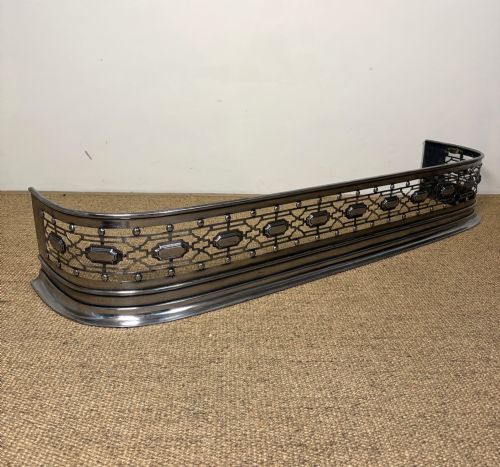
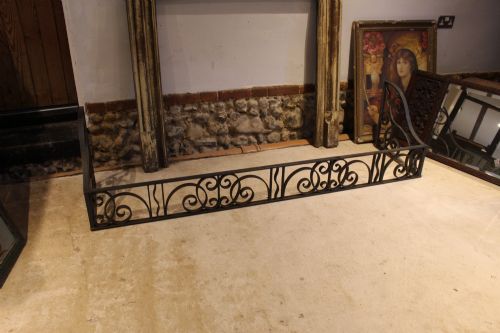
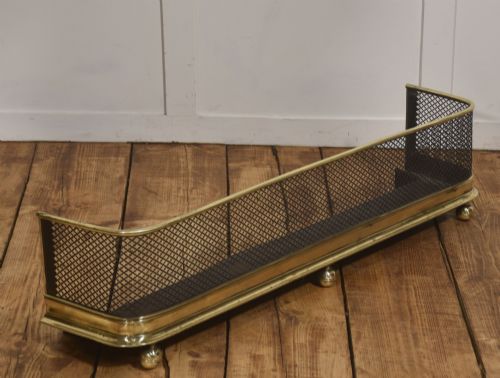
Forms include bowfronts, straight curbs, and low gallery fenders designed to fit standard domestic fireplaces. Buyers will find both polished metal finishes and dark iron combinations among the current selection.
What varies in quality
The distinction between standard utility guards and finer work rests on the crispness of the cast decoration and the weight of the metal gauge. Heavier steel frames maintain their alignment under heat and heavy use over generations.
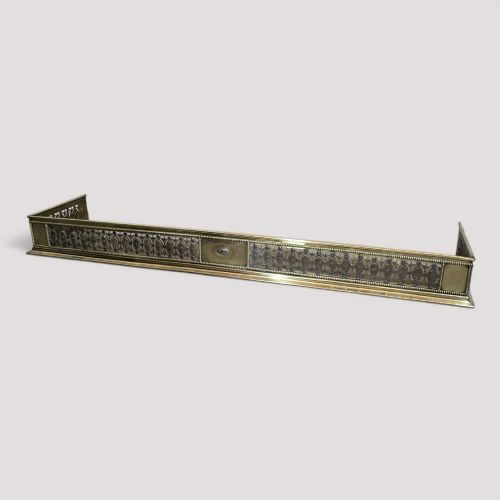
Superior examples display precise hand-piercing, clean joints, and balanced integration of contrasting brass or copper details. Surface condition also plays a part, where original burnished finishes survive without pitting or heavy corrosion.
Steel Hearth Guard Retail Price Guide 2026
Typical asking prices for steel hearth guard among the pieces listed under this phrase on Sellingantiques today, from the lower quarter to the upper quarter. They describe what is for sale here now, not the wider market.
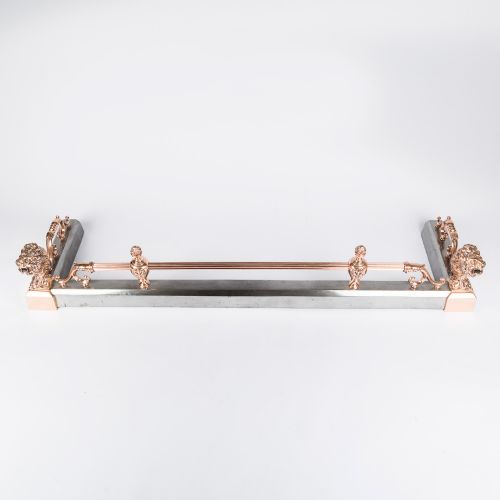
Several guards incorporate cast lions and dragon motifs, standing watch over the hearth while keeping wayward coals in line.
The Steel Hearth Guard Glossary
- Serpentine
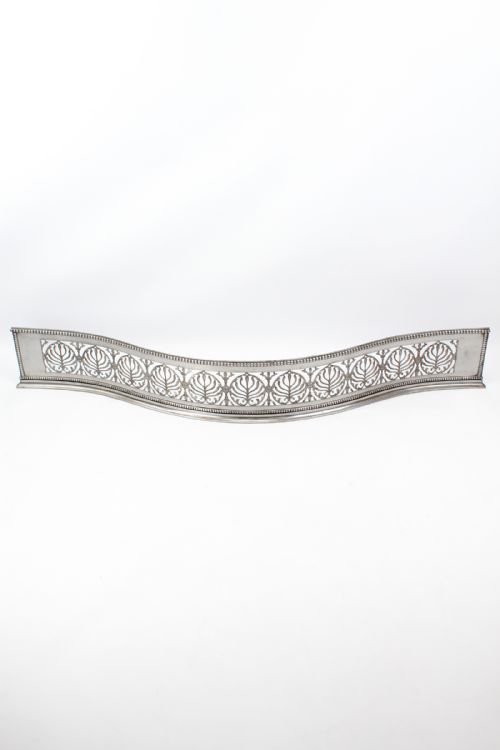
- A curved front shape with a central convex sweep flanked by concave curves. This contour requires careful hand-forming of the steel sheet to maintain symmetry.
- Burnished steel
- Metal that has been polished to a bright, reflective finish using abrasive compounds. It requires regular maintenance to prevent surface tarnishing in damp rooms.
- Pierced decoration
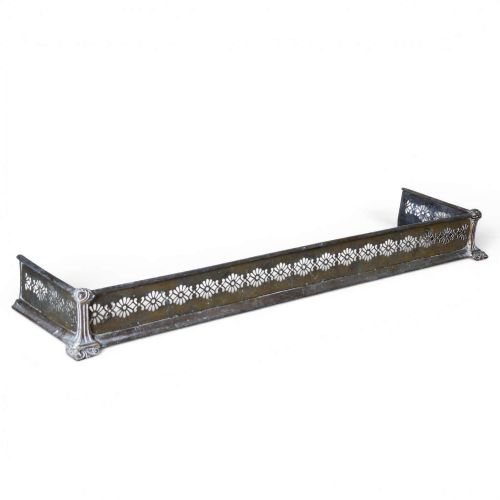
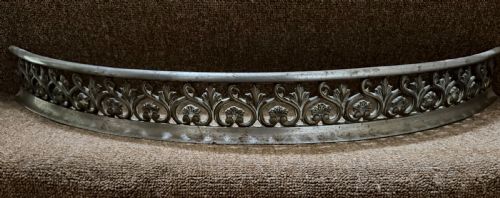
- A technique where patterns are cut directly through the metal plate by hand or with specialised tools. It allows heat to circulate while retaining a decorative barrier.
- Club fender
- A low fireside guard featuring upholstered seat cushions along the top rails. They originated in country houses to provide additional seating close to the hearth.
Steel Hearth Guard: Frequently Asked Questions
How do I measure for a hearth guard?
Measure the width and depth of your hearth stone while leaving adequate clearance for the fireplace opening. Ensure the internal dimensions match the masonry footprint so the guard sits squarely on the floor.
Account for any protruding hearth surrounds or hearth rugs that might sit beneath the metal feet. Most guards are designed to sit directly on stone or brick surfaces.
Can I use these guards with a modern fire?
These guards function effectively with gas-effect fires, electric grates, and traditional solid fuel setups. They contain stray embers and provide a stable physical barrier for domestic safety.
Check the inner dimensions against your specific fire basket before purchase to ensure proper alignment and clearance. The metal construction handles standard domestic hearth temperatures without issue.
How do I clean polished steel?
Maintain polished steel surfaces with a dry microfiber cloth and specialised metal polish designed for antique steel. Avoid abrasive scourers that can scratch the protective surface layer and remove historic patina.
Keep the metal free from ash deposits and moisture to prevent rust formation over time. Regular light application of a suitable oil helps preserve burnished finishes in active rooms.
What is the difference between iron and steel?
Wrought iron contains lower carbon levels and tends to have a fibrous texture with a dark, matte finish. Steel offers greater tensile strength and allows for brighter polishing and finer piercing work.
Many period guards combine both metals, using structural iron for internal frames and decorative steel or brass for visible exterior panels. This mix provided both structural rigidity and refined appearance.