



Standing Oak Mirror
A standing oak mirror serves as a practical focal point in a hallway or bedroom, combining a sturdy timber frame with a functional reflecting glass surface.
Standing Oak Mirror
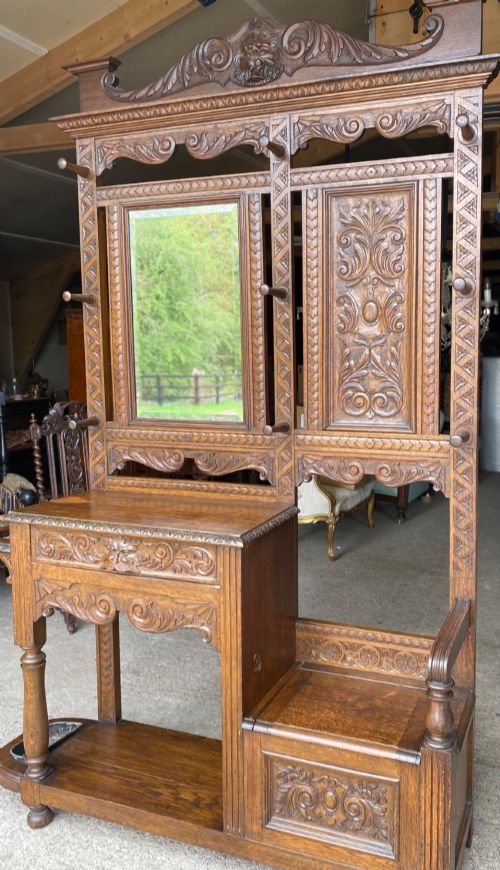
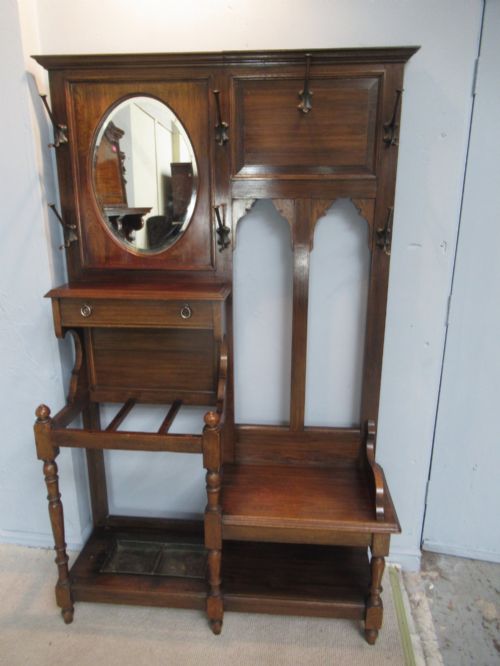
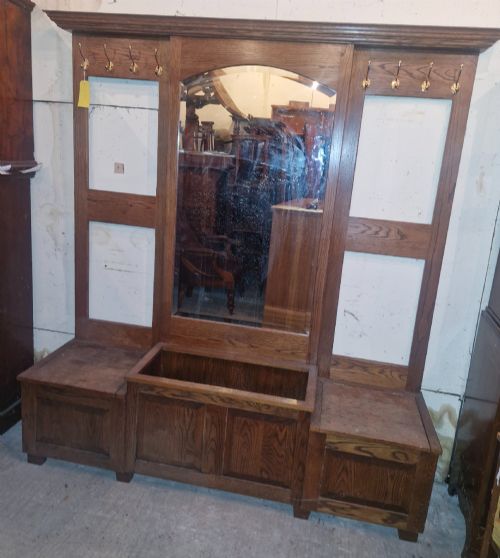
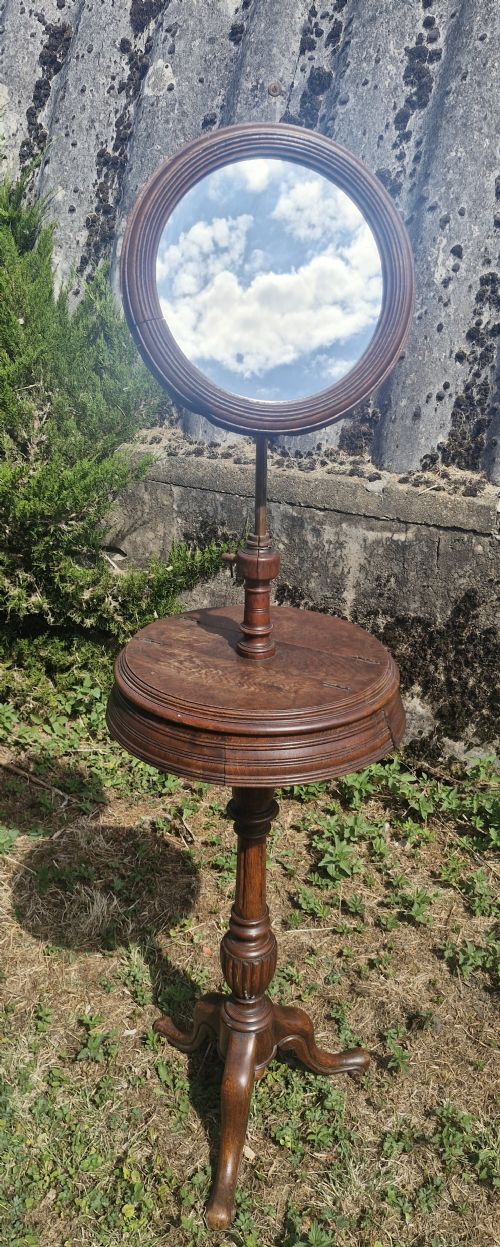
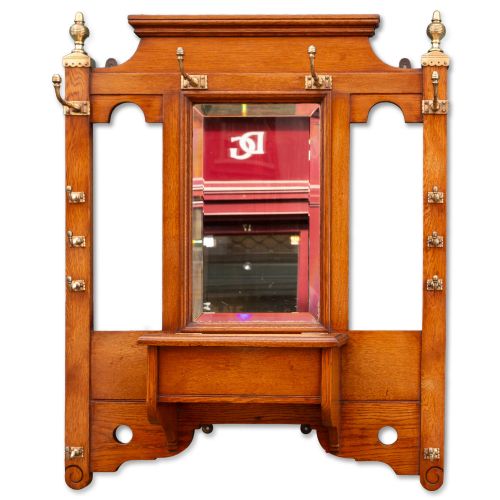
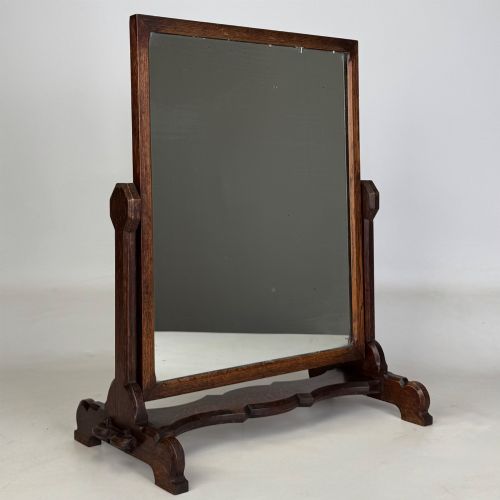
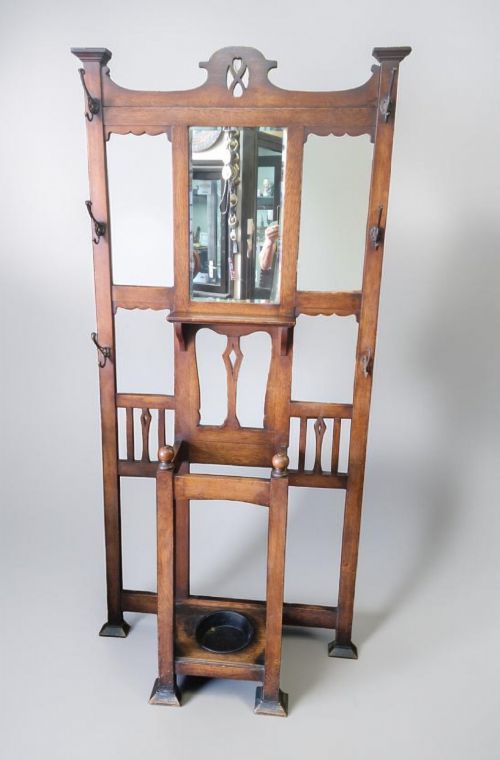
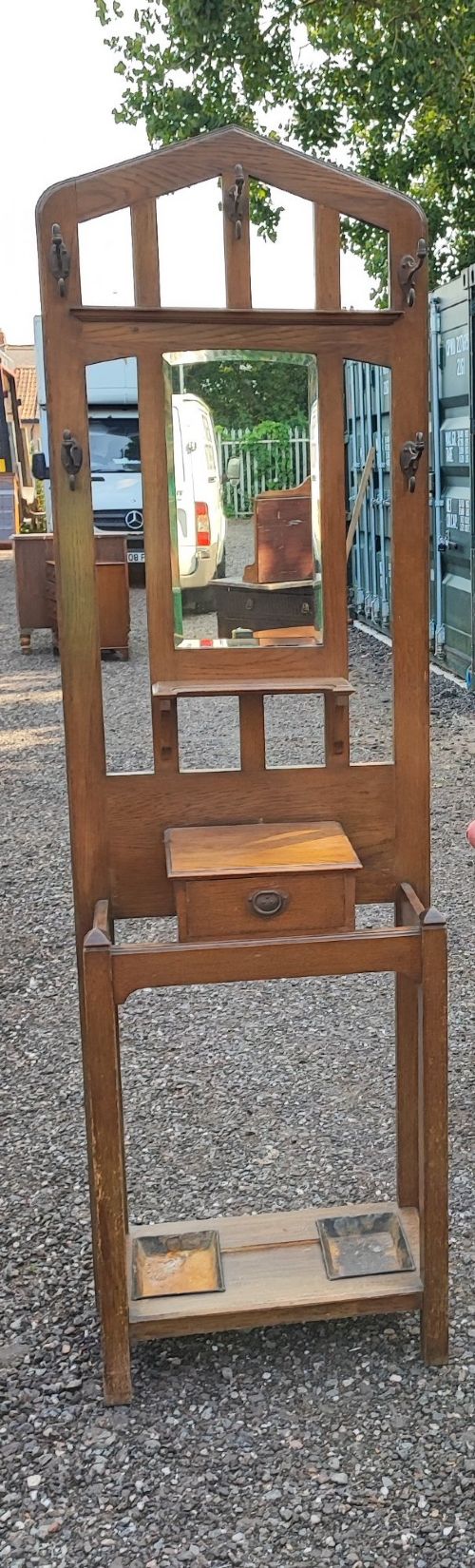
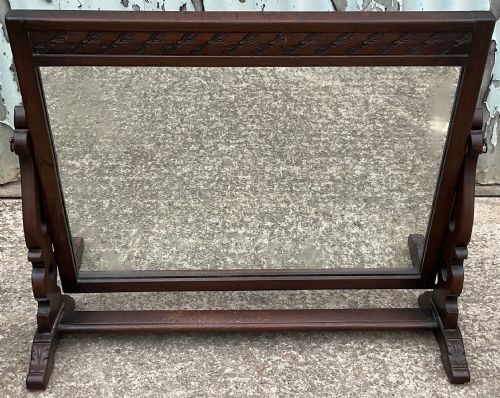
A standing oak mirror encompasses several distinct domestic forms designed for utility and display across the nineteenth and early twentieth centuries. Buyers searching for a standing oak mirror most frequently encounter tall hall stands incorporating central mirror plates alongside hooks and umbrella trays, as well as floor-standing cheval mirrors and adjustable dressing table versions.
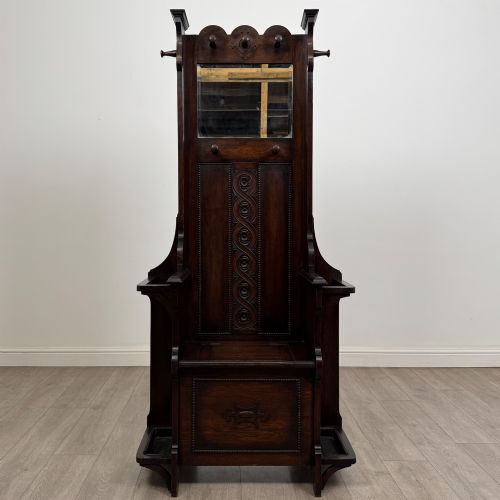
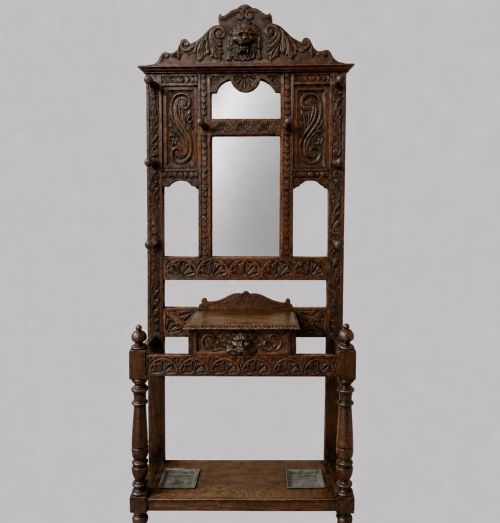
The material evidence spans the Victorian, Edwardian and Arts and Crafts periods, shifting from heavily carved Gothic and Flemish revival hall stands to the cleaner, linear designs of the early twentieth century. Many examples integrate brass fittings, cast iron drip pans, and occasional marble segments to handle the daily demands of an entrance hall or dressing room.
Materials and Construction
Makers constructed these pieces using solid oak and golden oak frames, frequently enhanced with marquetry stringing, applied mouldings, and hand-carved details such as green man motifs or geometric panels. The timber works in tandem with bevelled glass mirror plates, secured by panelled backs and supported by brass or iron coat hooks, hinges, and adjustable brackets.
Structural stability relies on heavy framing, mortise and tenon joints, and sometimes cast iron or metal weighted bases to support tall cheval configurations and multi-functional hall furniture. Brass and polished metal fixtures provide functional contrast to the dark or golden tones of the seasoned oak.
Many hall stands include cast iron drip trays at the base to catch rainwater from walking stick collections.
Judging Quality
Quality rests on the depth and crispness of the timber carving, the selection of figured or golden oak grain, and the architectural proportion of the frame. Superior examples demonstrate integrated design coherence, where brass hardware, mirrored glass plates, and auxiliary storage compartments or umbrella wells complement the main structure without feeling cluttered.
The integrity of the original mirror glass, the retention of matching brass coat hooks and drip trays, and the tightness of joints determine the preservation standard. Pieces produced by documented workshops often display superior timber selection and joinery refinement compared to standard utility items.
James Shoolbred·Waring and Gillow
The Standing Oak Mirror Glossary
- Cheval mirror
- A freestanding full-length mirror hung on vertical pivots within a floor-standing frame. This allows the glass to tilt to various angles.
- Hall stand
- An entrance hall piece combining a mirror, hat and coat hooks, glove drawers, and umbrella stands. It organises outdoor wear at the threshold of a house.
- Arts and Crafts
- A design movement prioritising simple forms, visible construction, and traditional craftsmanship. It emerged in reaction to mass-produced Victorian machinery.
- Shaving stand
- A piece of furniture incorporating an adjustable mirror and a small surface or drawer for grooming equipment. These often date from the Victorian and Edwardian eras.
- Marquetry
- The art of applying decorative pieces of veneer to a structure to form intricate patterns. This technique frequently decorates cabinet panels and drawer fronts.
Standing Oak Mirror: Frequently Asked Questions
Where should I place a standing oak mirror?
These pieces suit entrance halls, bedrooms, and dressing rooms where both a reflective surface and hanging space prove useful. Hall stands anchor an entryway while managing coats and hats.
Freestanding cheval mirrors and dressing mirrors fit neatly into bedroom layouts, providing full-length reflections without requiring wall fixings.
How do I care for the oak frame?
Maintain the timber by keeping it away from direct heat sources and rapid temperature fluctuations that can cause oak to split. Dust the carved surfaces regularly with a dry cloth.
Apply a traditional beeswax polish occasionally to nourish the grain and preserve the surface sheen without building up heavy residue.
How do I distinguish Victorian from Edwardian pieces?
Victorian examples tend to feature darker oak, heavier proportions, and elaborate carvings such as Gothic revival motifs, Green Man masks, or deep panelled mouldings. They often include cast iron umbrella pans and numerous brass hooks.
Edwardian and later pieces generally display lighter golden oak, simpler geometric lines, and influences from the Arts and Crafts movement or Art Nouveau style.
Are the mirror plates original?
Many older pieces retain their original bevelled glass, which often exhibits minor foxing, light speckling, or age spots that confirm its antique status. These slight imperfections are typical of nineteenth-century silvering techniques.
Replacements do occur if an original plate suffered damage, which you can often detect by inspecting the backing boards and securing pins.