



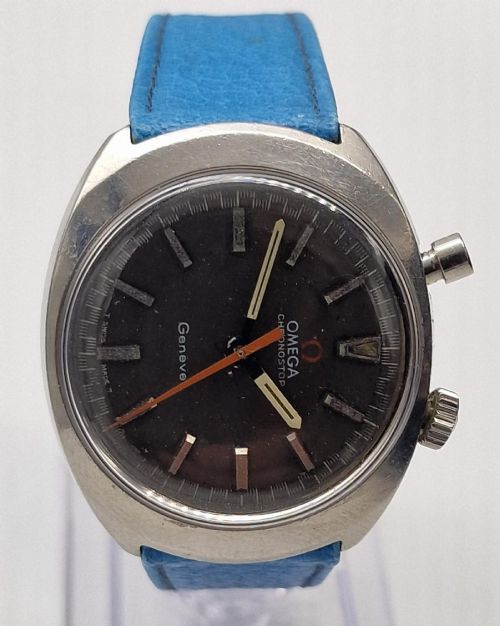
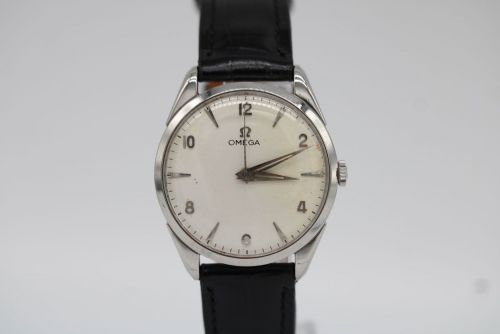
Stainless Steel Omega
A stainless steel omega combines mid-century utility with robust watchmaking heritage, offering collectors durable wristwatches from decades past.
Stainless Steel Omega
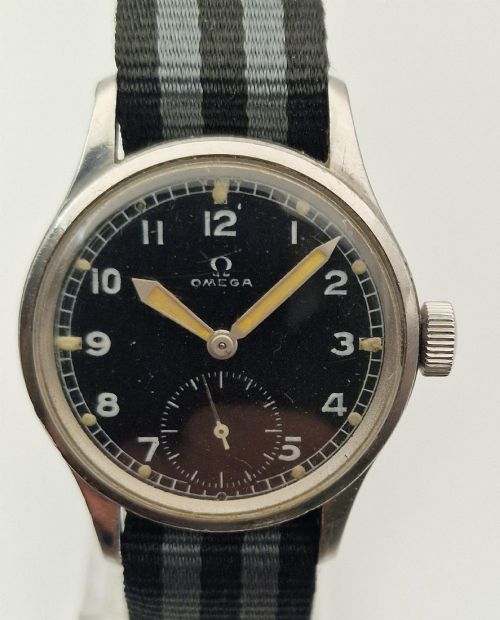
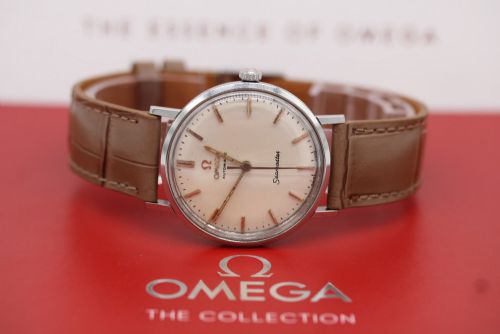
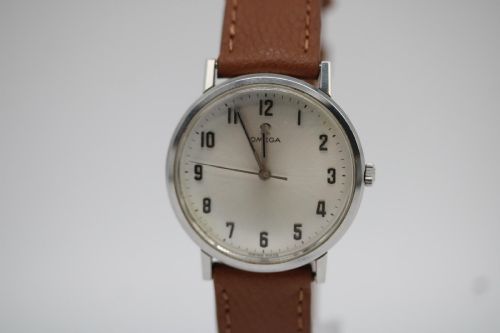
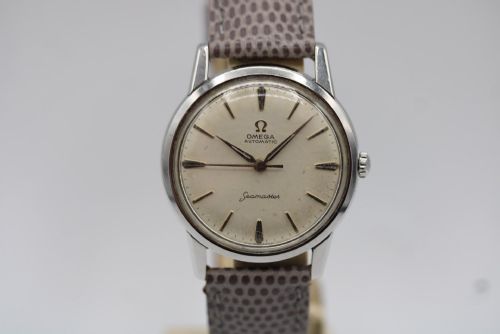
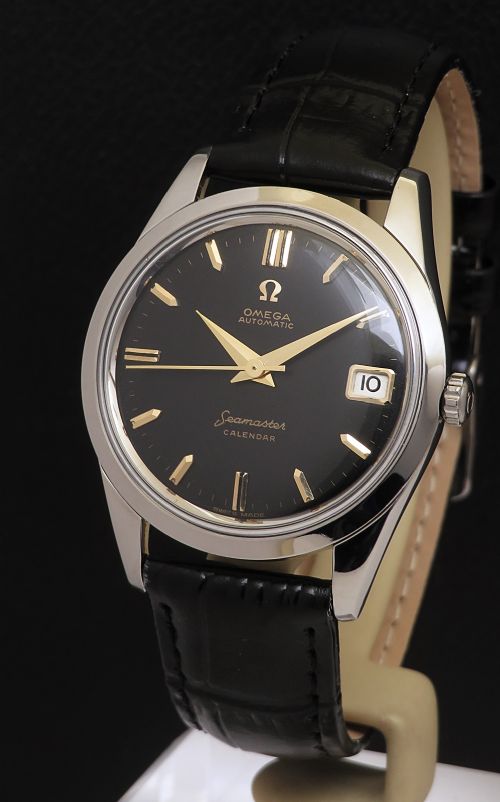
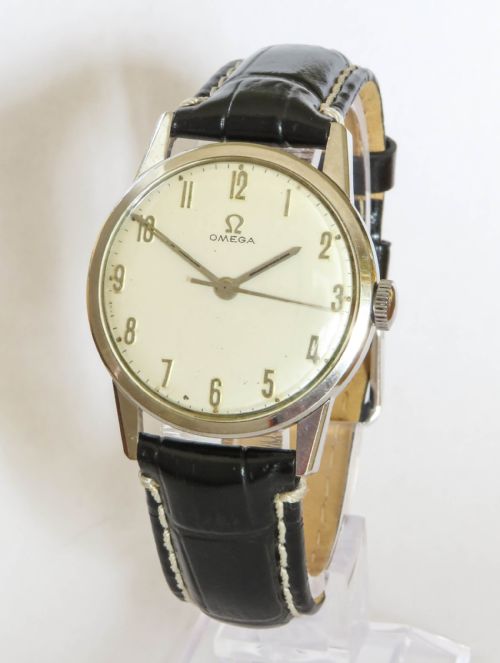
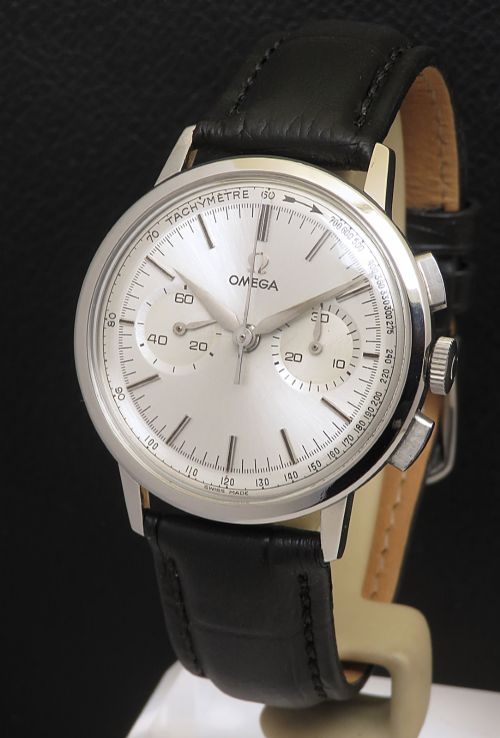
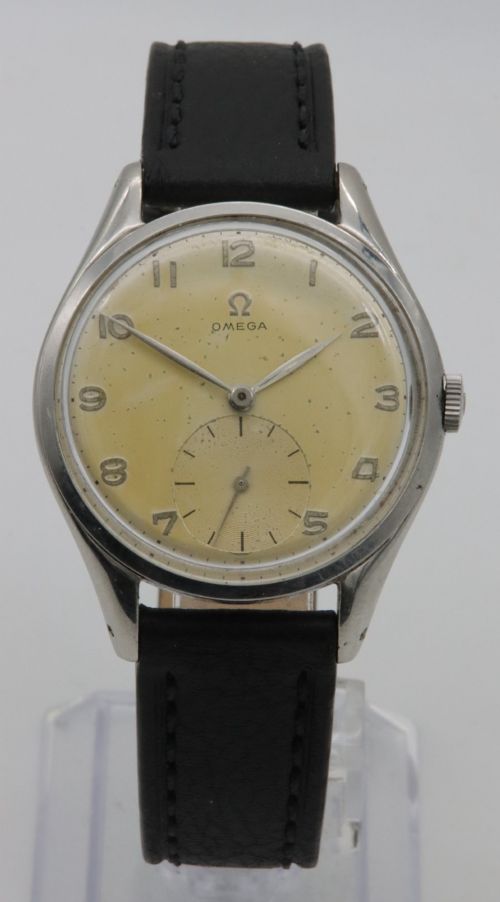
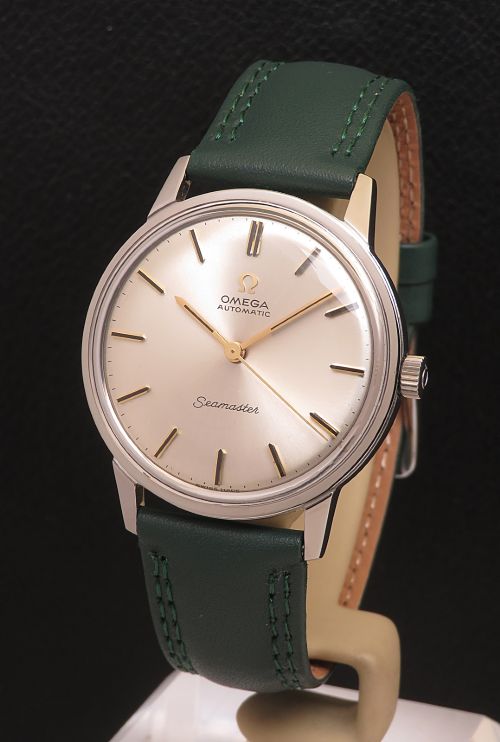
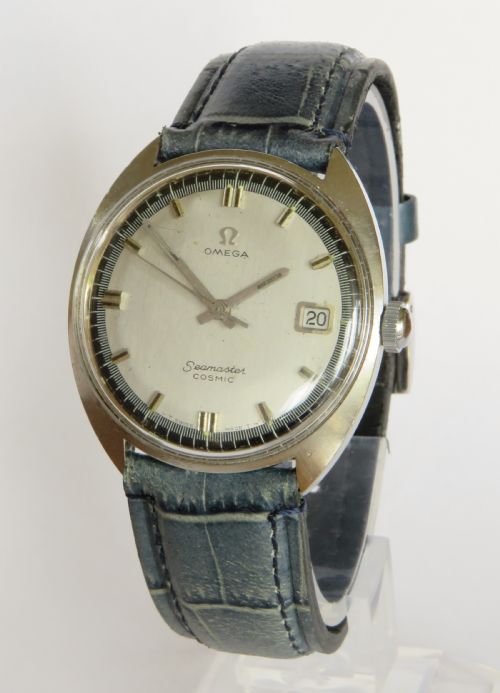
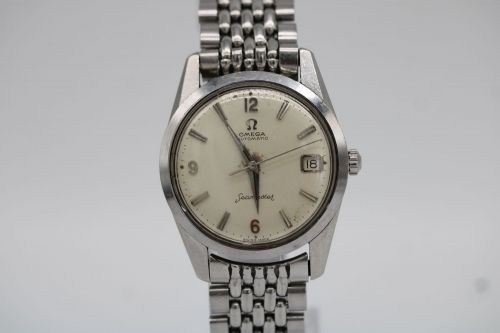
A stainless steel omega search uncovers wristwatches and pocket watches spanning the 1930s through the 1960s, with selections heavily weighted toward the nineteen-sixties and nineteen-fifties.
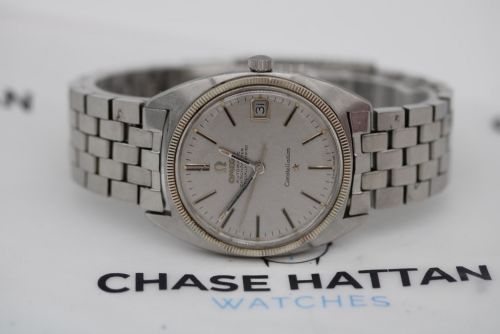
Buyers encounter classic dress models, chronographs, and military-issued pilot watches alongside prominent lines like the Seamaster, Geneve, and Constellation.
The material profile focuses primarily on steel cases, occasionally paired with leather straps, acrylic glass, and gold plate accents.
Steel Construction and Movements
Cases utilise durable stainless steel, providing robust housing for precision internal movements that include manual wind, automatic, and bumper calibres.
Dials feature acrylic glass or acrylic crystal covers, while straps frequently combine leather with steel bracelets such as the beads of rice design.
Stainless Steel Omega Retail Price Guide 2026
Typical asking prices for stainless steel omega among the pieces listed under this phrase on Sellingantiques today, from the lower quarter to the upper quarter. They describe what is for sale here now, not the wider market.
Materials appearing across the archive include stainless steel, leather, gold plate, and acrylic glass.
Originality and Condition
Quality separates pieces based on the preservation of original factory components, dials, and case geometry against later replacement parts.
The presence of documented service history and specific dial patinas, whether clean or evenly aged, dictates the standing of individual examples within the wider range.
Omega
The Stainless Steel Omega Glossary
- Calibre
- The specific internal movement designation used by the manufacturer to identify the mechanical mechanism driving the watch.
- Bumper
- An early automatic winding movement where a weighted rotor swings back and forth against springs rather than rotating fully.
- Jumbo
- An oversized watch case for its era, typically measuring thirty-five millimetres or greater across the diameter.
- Chronograph
- A watch equipped with a stopwatch function alongside traditional timekeeping displays.
- Acrylic Glass
- A lightweight, shatter-resistant synthetic material utilised for watch crystals during the mid-century period.
Stainless Steel Omega: Frequently Asked Questions
How do I spot a military model?
Military pieces often feature specific government issue markings, broad arrow symbols, and fixed or solid bar lugs welded directly to the steel case. These details separate standard civilian dress models from watches procured for armed forces.
Service inscriptions on the case back further clarify the provenance, linking the watch directly to historical military contracts from the nineteen-forties.
What is a bumper automatic?
A bumper automatic relies on an oscillating weight that swings through a limited arc, striking internal springs to wind the mainspring. Owners feel a distinct tap on the wrist as the weight moves.
This mechanism represents an important technological step bridging manual wind movements and modern full-rotor automatics during the nineteen-forties and fifties.
How should I clean the strap?
Leather straps require careful wiping with a dry or slightly damp cloth, avoiding total immersion in water to prevent cracking. Steel bracelets tolerate gentle cleaning with mild soap and a soft brush.
Keeping moisture away from the vintage case ensures the internal movement remains protected from water ingress during routine maintenance.
Are these watches waterproof?
Vintage models lose their original factory water resistance as rubber seals and gaskets degrade over decades. Even lines designed for diving or marine use require professional pressure testing before exposure to moisture.
Treating these pieces as resistant rather than waterproof preserves the dial and movement from costly water damage.