
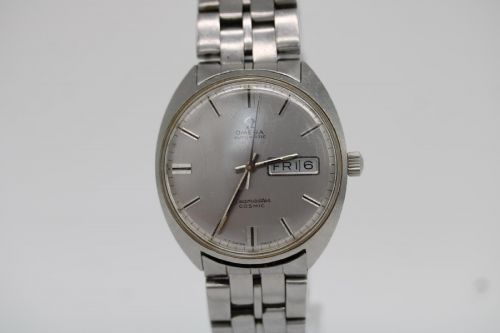
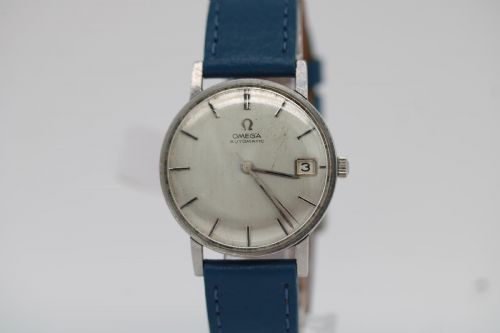
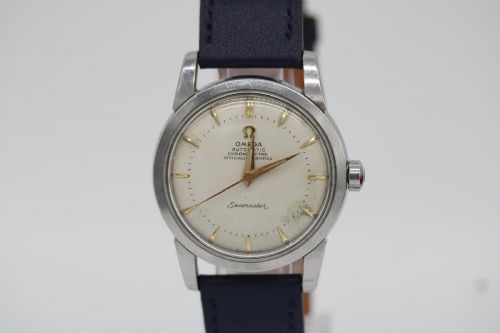
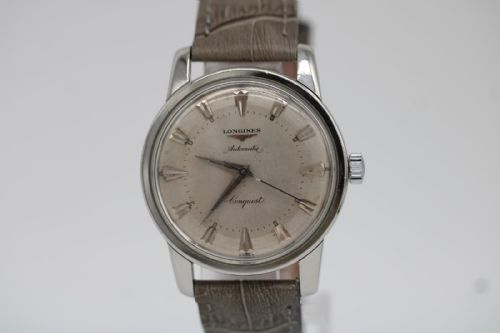

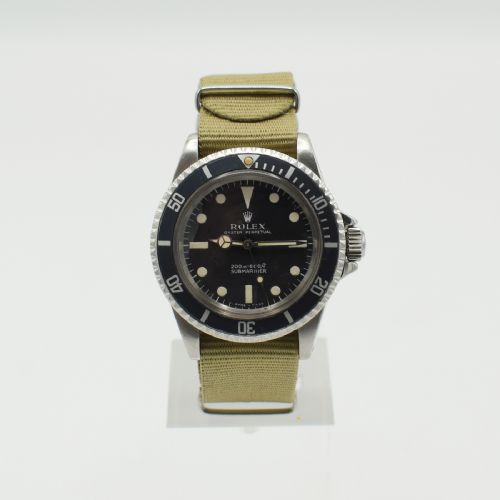
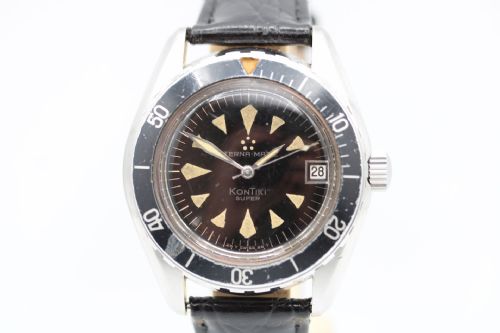

Stainless Steel Automatic Wristwatch
These stainless steel automatic wristwatch pieces are mechanical timepieces driven by wrist movement, sought after for mid-century reliability and design.
Stainless Steel Automatic Wristwatch
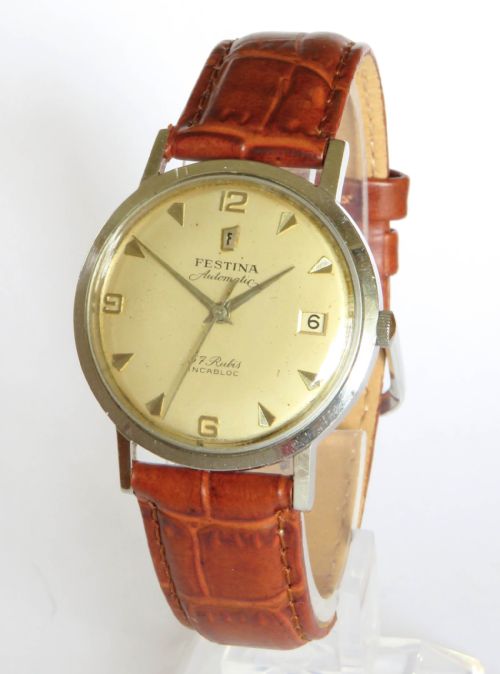
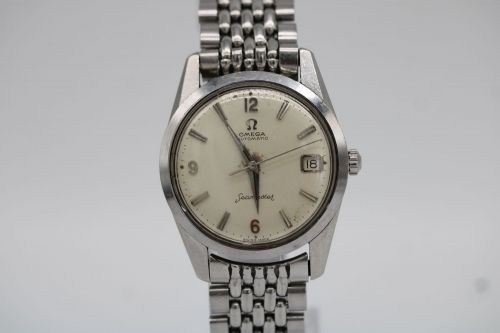
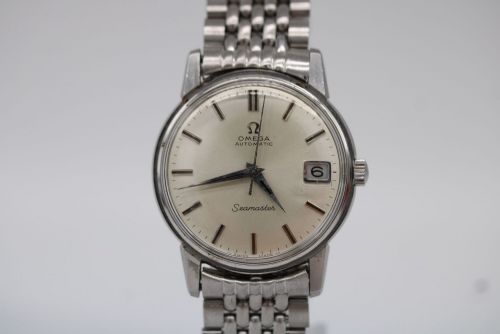
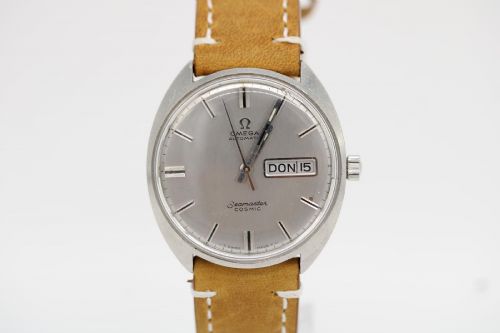
A stainless steel automatic wristwatch is a mechanical timepiece that winds itself using the natural motion of the wearer, housing an automatic movement inside a robust metal case. These watches date predominantly from the nineteen fifties and nineteen sixties, aligning with mid-century modern and mid-century luxury styles.
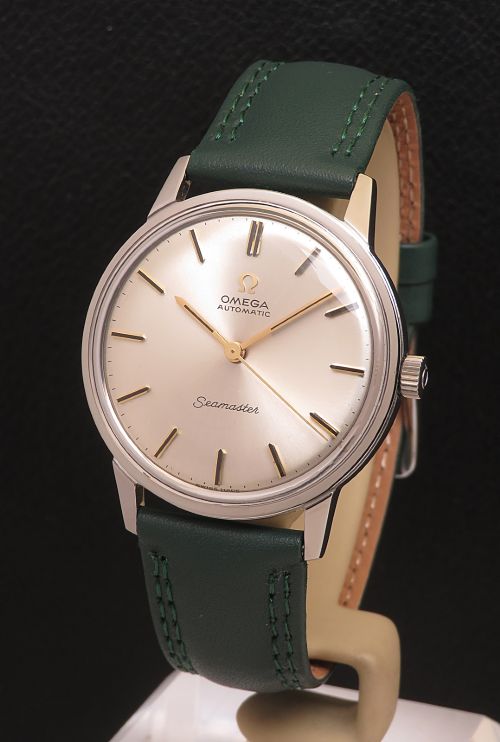
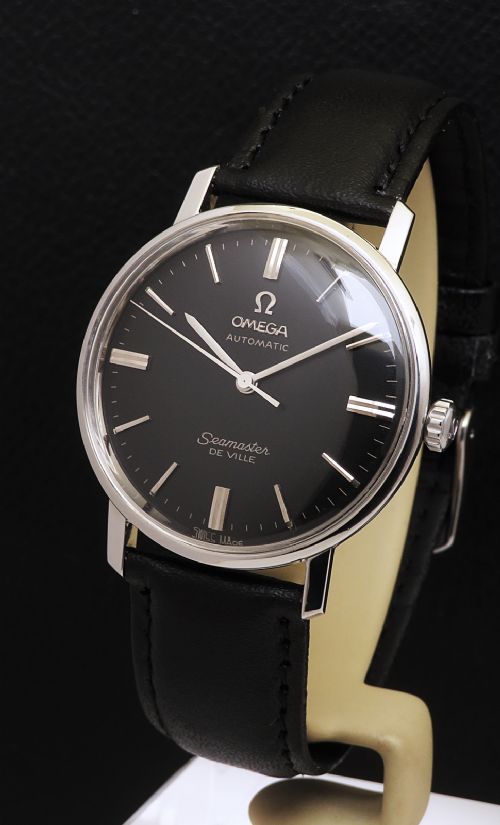
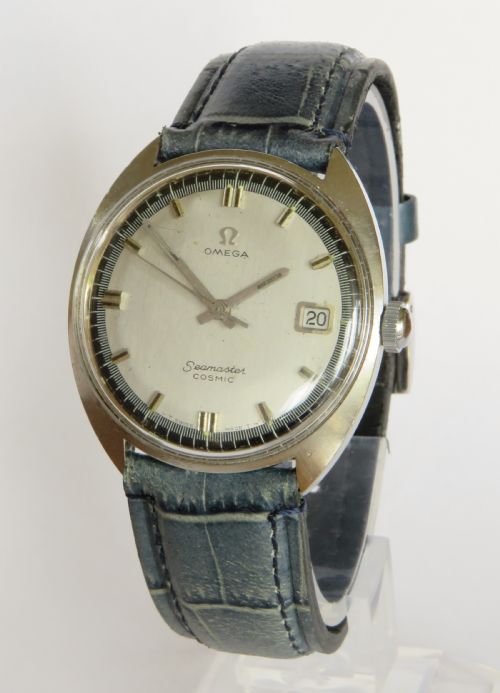
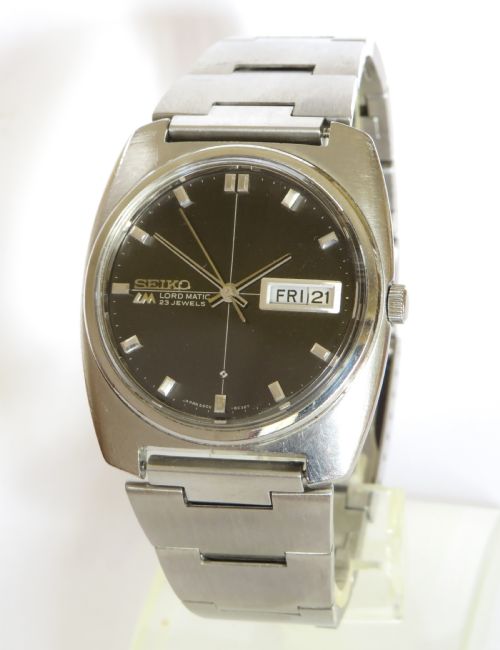
Buyers encountering this selection will frequently find models bearing names such as Omega Seamaster, alongside pieces by Rolex, Longines, Seiko, Festina, Prisma, Eterna, Tudor, Heuer, IWC, Hamilton, and Zenith. Forms range from standard dress watches to chronographs and specialised divers like the Submariner and Autavia, often paired with leather straps.
The aesthetic reflects mid-century design, featuring clean dials, polished steel cases, and practical day-date or calendar complications. These pieces offer a direct connection to mid-century horology, combining utilitarian metalwork with automatic mechanical calibres.
How they were made
The construction centres on a stainless steel case housing an automatic mechanical calibre, which uses an internal rotor to wind the mainspring through wrist movement. Dials are protected by glass or acrylic glass crystals, sealing the face against dust and moisture.
Watchmakers fitted these movements with components like jewelled bearings and specialised mechanisms for day and date displays, such as calibre 562 or calibre 752 movements. Finished pieces were typically paired with leather straps, gold accents, or fabric elements depending on the specific model and luxury tier.
Some watches preserve decades-old dust under their acrylic crystals like tiny time capsules.
What varies in quality
Quality in a stainless steel automatic wristwatch is determined by the precision and finish of the internal movement, such as chronometer certification and the complexity of calibres like the Zenith 133.8 or Omega 562. The sophistication of the dial work, including patinated finishes and applied markers, further distinguishes the tier of the piece.
The integrity of the case construction and the originality of components, from signed crowns to correct hands and dials, separate standard production watches from exceptional collector examples. Preservation of the steel case lines and the completeness of historical detailing dictate the standing of each timepiece.
Omega·Seiko·Festina·Longines·Prisma·Rolex·Eterna·Tudor·Heuer·IWC·Hamilton·Zenith
The Stainless Steel Automatic Wristwatch Glossary
- Automatic
- A self-winding mechanical movement that uses a weighted rotor to wind the mainspring as the wearer moves their wrist.
- Chronometer
- A high-precision watch that has passed rigorous accuracy tests conducted by an official testing body.
- Calibre
- The specific manufacturer's designation for a particular watch movement design.
- Acrylic Glass
- A lightweight, shatter-resistant plastic material used for watch crystals during the mid-century period, easily polished if scratched.
- New Old Stock
- Unused vintage inventory discovered preserved in original condition long after production ceased.
Stainless Steel Automatic Wristwatch: Frequently Asked Questions
How do automatic watches work?
Automatic watches contain an internal oscillating weight called a rotor that spins as the wearer moves their arm. This motion tightens the mainspring, storing energy to power the mechanical movement without manual winding.
Most pieces from this era require regular wear to stay wound, though they can also be hand-wound via the crown if the power reserve depletes.
What is a stainless steel case?
A stainless steel case is the metal housing that protects the delicate watch movement from external impacts, moisture, and dust. This alloy resists corrosion and maintains its polish over decades of daily wear.
In mid-century timepieces, steel cases provided a durable, utilitarian alternative to precious metals while supporting water resistance in sports models.
How do I read a dial date?
Dial dates appear through a small rectangular aperture cut into the watch face, often positioned at the three o'clock position. Some advanced mid-century calibres display both the day of the week and the date simultaneously.
These calendar mechanisms advance automatically at midnight, driven by the gear train of the automatic movement.
Are these watches waterproof?
Historical water resistance ratings on vintage watches do not match modern standards due to age and degraded gaskets. Even models designed for diving or heavy use require professional pressure testing before exposure to moisture.
Living with these pieces generally means keeping them away from water unless a specialist has recently serviced and sealed the case.
How should I store my watch?
Store a mechanical watch in a dry environment away from direct sunlight, extreme temperature fluctuations, and strong magnetic fields. Using a dedicated watch box prevents accidental knocks to the acrylic glass and steel case.
If the watch is not worn regularly, allowing the movement to wind down completely is standard practice, though occasional running keeps internal oils distributed.