



Staffordshire Ceramic House
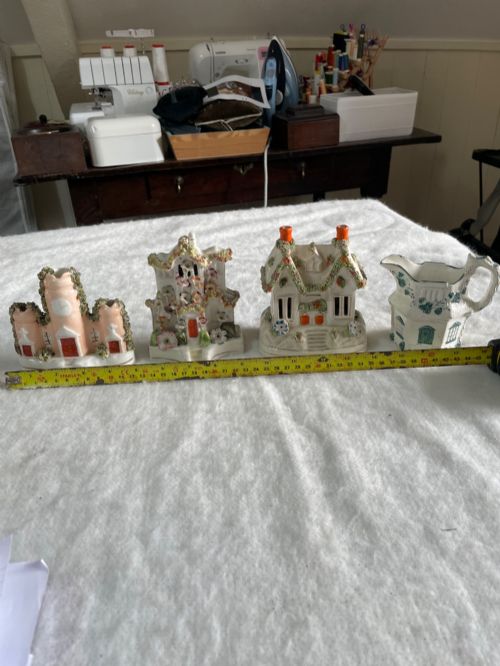
These staffordshire ceramic house pieces are domestic models and wares capturing rural architecture and folklore that collectors prize for their charming vernacular detail.
Staffordshire Ceramic House
When you search for staffordshire ceramic house pieces, you find decorative models, cottages, and castles reflecting nineteenth century ceramic traditions. These items span Victorian and Georgian periods, showcasing early domestic architecture and folk art charm.
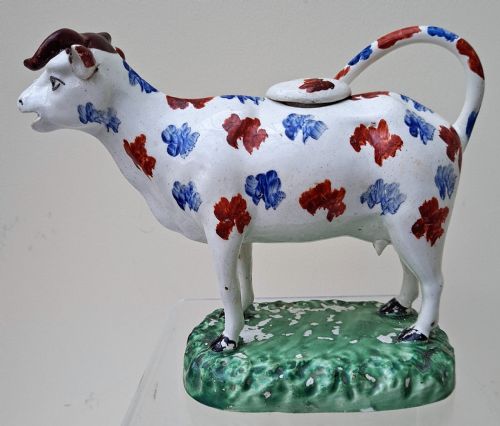
You are most likely to meet small earthen and pearlware cottages or figures on this page, representing the output of Staffordshire potteries. The inventory also includes related regional pottery items such as creamers, jugs, and blue and white transfer printed plates.
The objects combine utilitarian forms like creamers and serving platters with purely decorative ornaments. They capture an era of regional British pottery production that valued domestic scenes and pastoral subjects.
Materials and construction
Potters shaped these items from earthenware, pearlware, and porcelain, applying lead glazes to seal the porous clay bodies. Enamel paint and transfer printing provided surface colour and detailed architectural decoration.
Makers utilised traditional moulding techniques to form the cottages and figures, often finishing the details by hand before firing. The combination of underglaze blue transfer work and bright overglaze enamels defined the visual style of the period.
Staffordshire Ceramic House Retail Price Guide 2026
Typical asking prices for staffordshire ceramic house among the pieces listed under this phrase on Sellingantiques today, from the lower quarter to the upper quarter. They describe what is for sale here now, not the wider market.
Early potters occasionally turned practical teaware jugs into architectural fantasies, proving that a morning creamer could double as a medieval castle.
Judging quality in ceramic houses
The distinction between ordinary and superior pieces rests on the crispness of the moulding and the control of the glaze. Finer examples retain bright, intact enamel colours and sharp architectural details that remain clear beneath the glaze layer.
Pieces showing careful hand-painting and well-defined transfer work sit at the higher end of the range. Simpler utilitarian items or heavily worn models display less refined surface decoration and softer moulded contours.
The Staffordshire Ceramic House Glossary
- Earthenware
- A porous pottery body fired at lower temperatures, commonly used for nineteenth century figures and cottages. It requires a glaze to hold liquids.
- Pearlware
- A refined fine earthenware developed by Josiah Wedgwood featuring a bluish-white glaze that pooled in recesses. It bridges the gap between creamware and later white earthenwares.
- Flatback
- A figure or cottage moulded with a plain or unpainted reverse side intended to stand against a wall. This technique saved time and materials during production.
- Transferware
- Pottery decorated by applying a printed paper design from an engraved copper plate onto the ceramic surface. It allowed for intricate blue and white patterns on plates and tea wares.
Staffordshire Ceramic House: Frequently Asked Questions
How were these ceramic houses used?
Victorian households displayed these items as decorative ornaments on mantelpieces, sideboards, and occasional tables. They were purely ornamental rather than functional household vessels.
Some cottage models featured removable roofs or acted as pastille burners for perfuming rooms. Others simply reflected romanticized notions of rural British life.
How do you date a staffordshire cottage?
Dating relies on examining the clay body, glaze characteristics, and manufacturing techniques visible on the piece. Pearlware bodies and softer lead glazes typically point toward earlier Georgian production.
Victorian pieces often feature harder earthenware fabrics and brighter enamel palettes. Transfer printed elements and maker marks also help narrow down the period of manufacture.
Are all ceramic houses from Staffordshire?
While the term broadly covers nineteenth century figures and buildings from the Staffordshire potteries, regional centres also produced similar items. Other areas like Wales and Mexborough created distinct pottery cottages and creamers.
Comparing the clay types and decorative styles helps distinguish Staffordshire wares from those made in other regional potteries.