


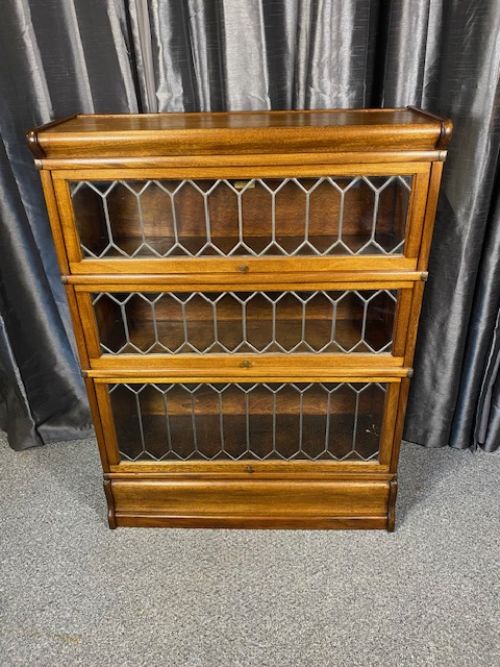


Stacking Lawyer Cabinet
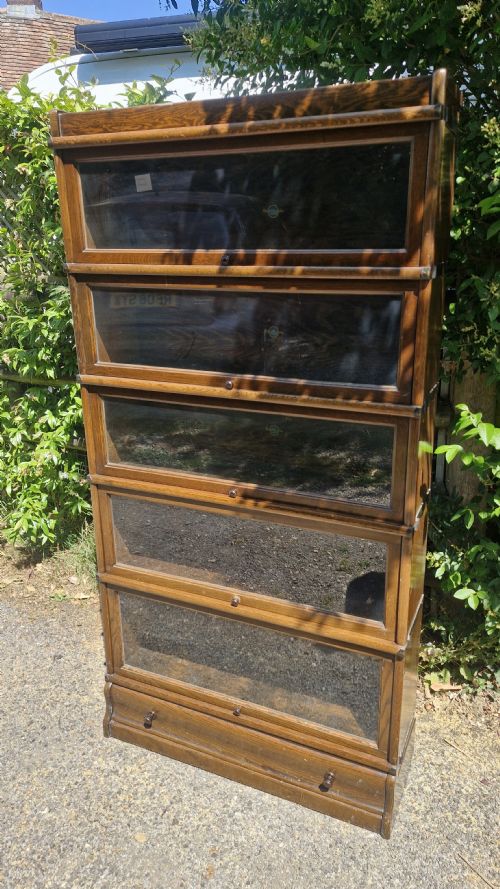
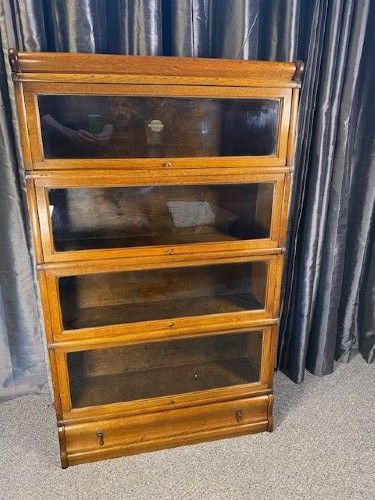
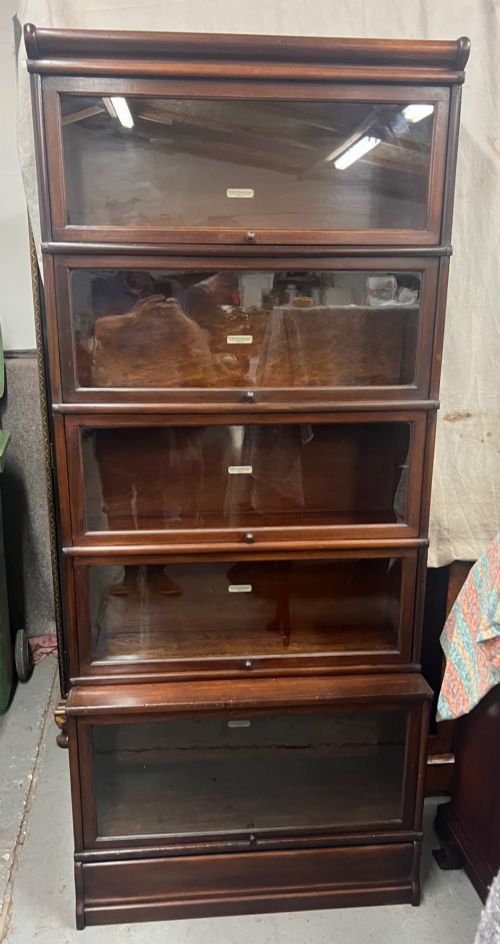
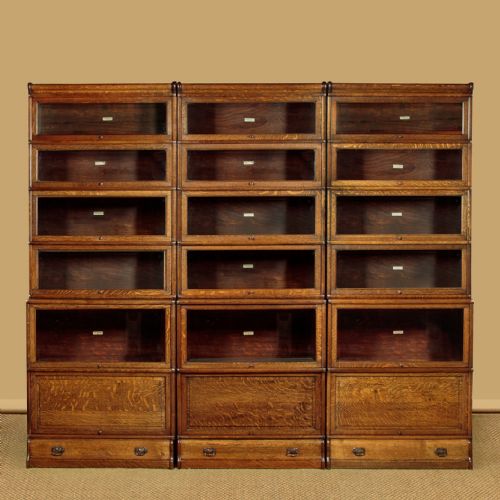
A stacking lawyer cabinet offers modular shelving designed to protect valuable books behind glazed lifting doors.
Stacking Lawyer Cabinet
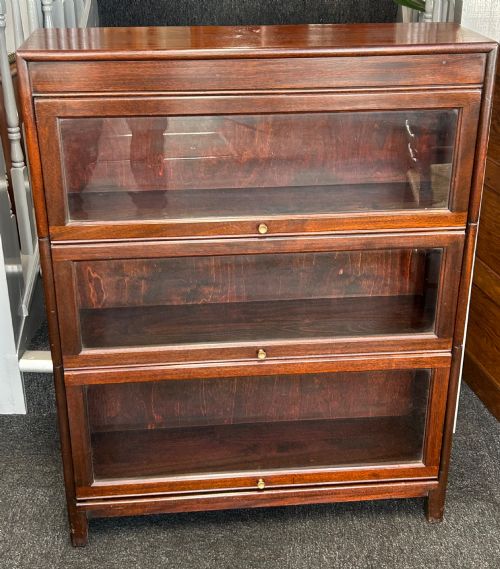
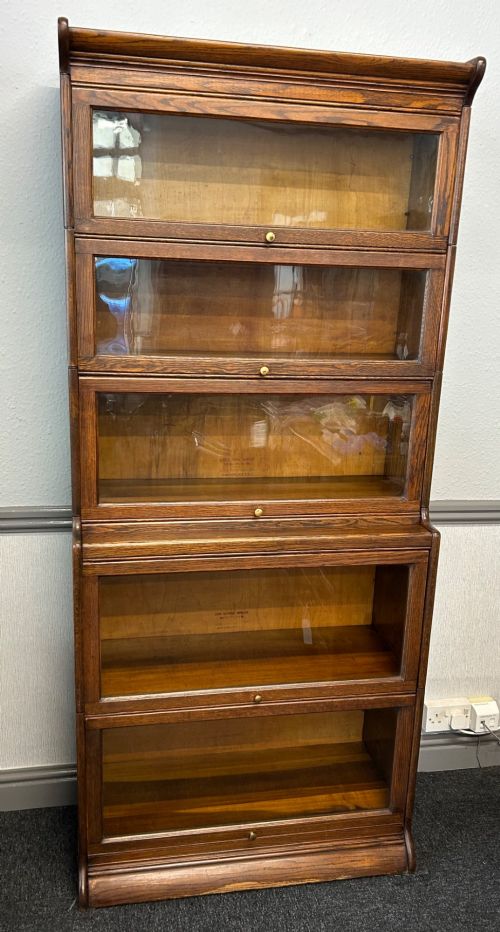
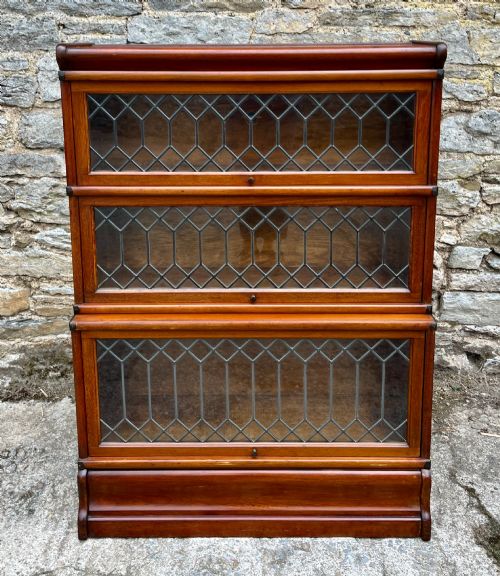
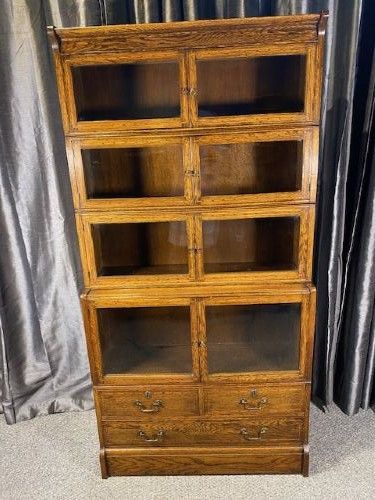
A stacking lawyer cabinet, frequently referred to as a barrister or Globe Wernicke bookcase, provides modular storage through interchangeable tiered sections. Buyers seeking a stacking lawyer cabinet encounter practical office and library furniture originating from the early twentieth century, including the Edwardian period and the decades spanning 1900 to 1930.
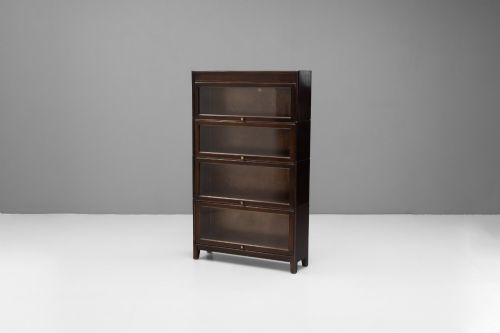
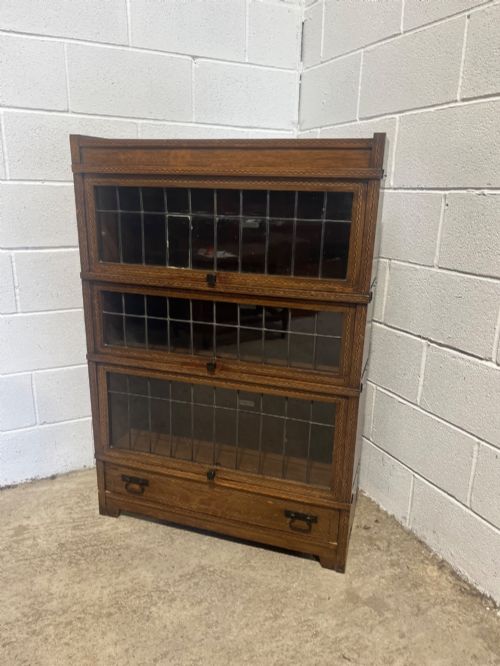
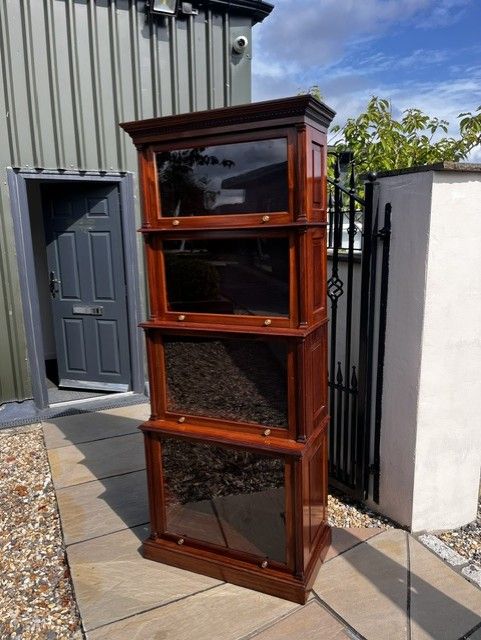
These bookcases take the form of sectional cabinets constructed to house volumes securely while allowing units to stack vertically. Examples range from three-tier arrangements to taller configurations, often built in distinct modular sections complete with glass doors.
How they were made
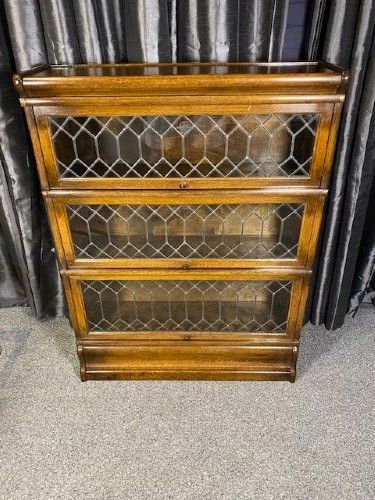
Makers constructed these cabinets primarily using solid oak and mahogany, frequently incorporating figured timbers alongside brass hardware and leaded glass panes. The modular sections rely on specialised lifting mechanisms that allow the glazed doors to slide smoothly into the cabinet above each shelf.
Carpenters employed durable joinery methods to ensure each tier aligned securely when stacked, while metal components reinforced the operational parts of the doors. Variations include leaded glass detailing and inlaid wooden decorations applied to the exterior facades.
Stacking Lawyer Cabinet Retail Price Guide 2026
Typical asking prices for stacking lawyer cabinet among the pieces listed under this phrase on Sellingantiques today, from the lower quarter to the upper quarter. They describe what is for sale here now, not the wider market.
Current listings feature pieces predominantly from the 1900 to 1930 period, constructed in oak and mahogany with glass and brass elements.
What varies in quality
Distinctions in quality rest upon the selection of timber, such as solid mahogany or figured oak, versus simpler secondary woods. The refinement of the brass fittings and the precise operation of the door-lifting mechanisms further separate standard production from superior examples.
Proportion and decorative restraint dictate the standing of a piece, with finer items displaying well-matched grain patterns across all tiers and intact leaded glass panels. The presence of maker attribution also influences the standing of individual cabinets.
Globe Wernicke·Warwick
The Stacking Lawyer Cabinet Glossary
- Sectional
- A piece of furniture built in separate, detachable tiers that stack vertically to form a single unit. These modules allow for easy transport and customizable height.
- Barrister
- A traditional term for a lawyer, frequently applied to sectional bookcases designed to keep legal texts dust-free and accessible in chambers. The format suited professionals who needed portable library shelving.
- Leaded glass
- Small panes of glass joined together by strips of lead, often forming geometric patterns within the cabinet doors. This technique adds decorative weight to early twentieth-century office furniture.
- Globe Wernicke
- A prominent style and manufacturer name associated with modular stacking bookcases developed around the turn of the twentieth century. The designation became synonymous with the patented mechanism for lifting glass doors.
Stacking Lawyer Cabinet: Frequently Asked Questions
How do the glass doors work?
The glazed doors utilise a metal mechanism that allows them to lift upwards and slide smoothly into the interior recess above the books. This design keeps the contents protected while maintaining easy access to individual shelves.
Each tier operates independently, meaning you can open one shelf without disturbing the sections above or below it.
Can the sections be separated?
The cabinets are built as modular units consisting of separate stacking tiers, a top cornice, and a base plinth. This construction allows the bookcase to be taken apart easily for moving or rearrangement.
When assembled, the weight of the sections and locating pins keep the tiers stable and aligned vertically.
What is the difference between oak and mahogany versions?
Oak cabinets from this era typically exhibit prominent grain patterns, sometimes finished in golden tones or utilised in Arts and Crafts designs. Mahogany variants tend to offer a smoother, darker surface, occasionally featuring inlaid details.
Both timbers provide the structural rigidity necessary to support heavy rows of books within modular frames.
Are these bookcases suitable for modern homes?
The compact footprint and vertical orientation make these modular cabinets practical for studies, living rooms, and offices with limited floor space. Their glazed fronts protect collections from dust while keeping volumes visible.
The neutral tones of early twentieth-century wood finishes blend readily with various interior styles.