




St Ives Coastal Artwork
St ives coastal artwork captures the harbours, fields, and tides of Cornwall through the eyes of local and visiting painters.
St Ives Coastal Artwork
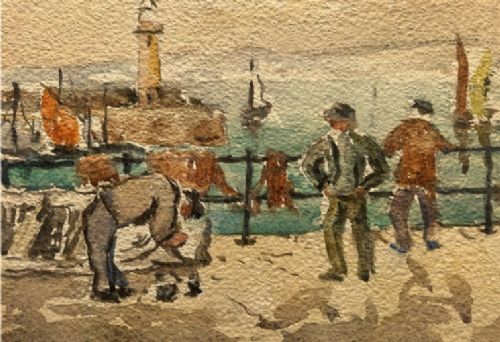
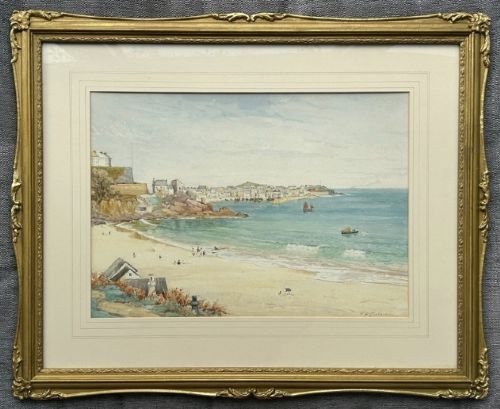
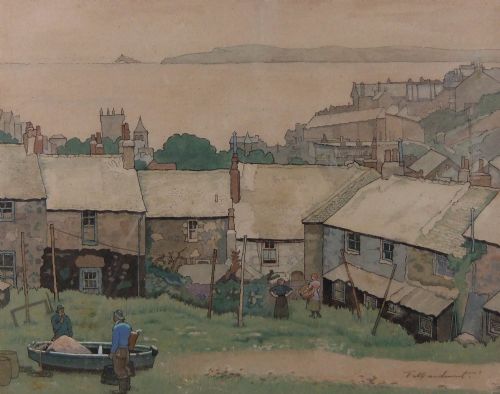
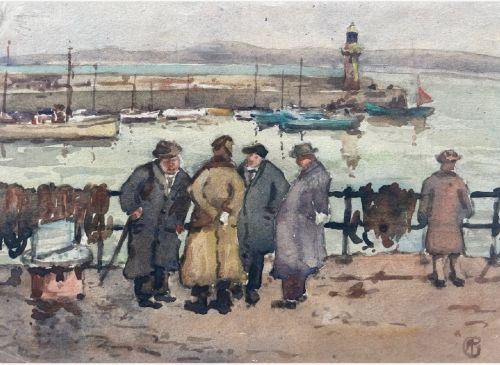
When you search for st ives coastal artwork, you encounter paintings that record the light, harbours, and maritime life of this Cornish peninsula. These pieces capture the changing tides and coastal landscapes through the eyes of artists who worked in the region.
You are most likely to meet watercolours and oil paintings on this page, alongside gouache and woodblock prints. The forms range from traditional watercolours of harbour scenes to British modernist interpretations of sailboats and coastal views.
The periods represented span from the nineteenth century through the 1960s, encompassing movements such as Victorian fine art, British impressionism, the Newlyn school, and the St Ives school. These works reflect the enduring appeal of the Cornish coast for generations of painters.
How they were made
These works rely on traditional painting materials such as oil paint on canvas and watercolour on paper. Artists also utilised gouache and ink, applying pigments with brushes to capture the specific atmosphere of the Cornish light.
Framing often involves wood and gilt wood, sometimes paired with glass to protect the paper works. These materials support the preservation of pieces created across different decades and artistic movements.
St Ives Coastal Artwork Retail Price Guide 2026
Typical asking prices for st ives coastal artwork among the pieces listed under this phrase on Sellingantiques today, from the lower quarter to the upper quarter. They describe what is for sale here now, not the wider market.
Listings feature works spanning from the nineteenth century to the 1960s, executed in watercolour, oil paint, gouache, and woodblock.
What varies in quality
The distinction between pieces rests in the sureness of the brushwork and the artist's ability to render the specific quality of light over the water. Stronger works demonstrate a confident handling of pigment that brings the harbour or low tide immediately to life.
Provenance and documentation also separate the examples, with signed pieces and clear attribution to known painters offering a firmer connection to the artistic community of the region.
William Banks Fortescue·Thomas Maidment·George F Pennington·Edward Matthew Elliott·George Turland Goosey·Ernest F Hill·Cuthbert Crossley
The St Ives Coastal Artwork Glossary
- St Ives School
- A group of artists associated with the Cornish town who drew inspiration from its unique coastal landscape and light. Their output evolved from traditional maritime scenes towards British modernism.
- Newlyn School
- An art colony based near St Ives that focused on naturalistic plein-air painting of local life and landscapes. Artists in this tradition recorded the daily routines of fishermen and coastal workers.
- British Impressionism
- A painting style that emerged in the late nineteenth and early twentieth centuries, focusing on light, loose brushwork, and everyday subjects. These works prioritize atmospheric effects over rigid detail.
- Gouache
- An opaque water-based paint that dries to a matte finish, allowing artists to build solid areas of colour on paper. It offers greater coverage than traditional watercolour.
- Provenance
- The documented history of ownership surrounding a work of art, which helps establish its authenticity and origin. Good provenance links the piece directly to the creator or reputable collections.
St Ives Coastal Artwork: Frequently Asked Questions
What periods do these paintings cover?
The selections span from the nineteenth century through the mid twentieth century. They include Victorian, Edwardian, and modernist periods.
This broad timeline shows how artistic approaches to the Cornish coast shifted over several decades.
How were these coastal scenes created?
Artists used oil paint on canvas as well as watercolour and gouache on paper. Wood and gilt wood frames frequently house these works.
These traditional materials reflect the standard practices of painters working within British art colonies.
Where do these artworks originate?
The pieces originate from St Ives and the surrounding Cornish landscape. Painters gathered in these areas to capture the harbours, boats, and tidal flats.
This specific geography unites the various schools and movements represented in the works.
How do I care for these watercolours?
Keep works on paper away from direct sunlight to prevent the watercolour pigments from fading. Ensure they remain behind glass in stable environmental conditions.
Proper framing protects the paper and paint from moisture and physical damage.