





Square Oriental Rug
A square oriental rug brings a balanced geometry to a room that long runners and standard oblongs simply cannot match.
Square Oriental Rug
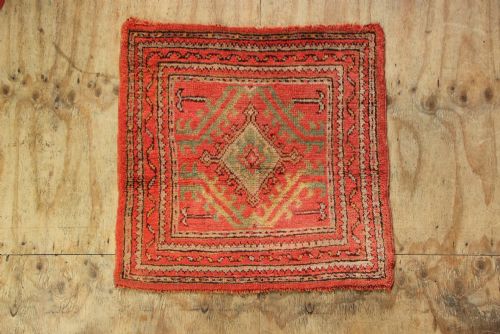
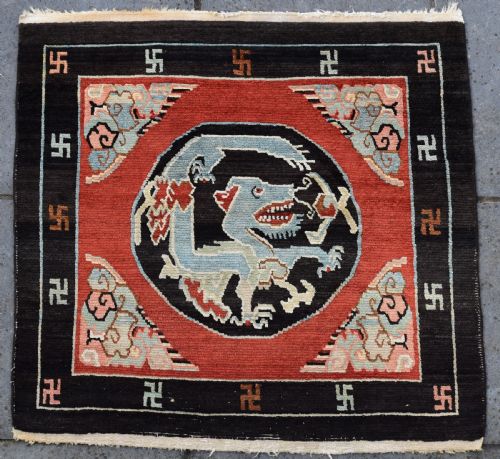
A square oriental rug turns up in several regional styles and dimensions, spanning compact seating mats and roomsize carpets. These woven floor coverings emerge from workshops and tribal weaving traditions across Persia, the Caucasus, Anatolia, China, and Tibet.
The selections available here range from small formats measuring under a metre across to large carpets exceeding three metres on each side. Buyers searching for a square oriental rug will encounter formats that maintain near-equal dimensions, such as ninety-two by ninety centimetres or over three metres square.
The period output represented in these listings stretches from the nineteenth century into the early decades of the twentieth century. Examples include production from specific workshops like Ziegler and Co alongside tribal weaves from Kazak, Oushak, Heriz, Fereghan, Ningxia, Tibetan, and Tekke Turkmen traditions.
How they were made
The pieces listed rely on foundations of cotton or wool, forming the structural warp and weft upon which the pile is knotted. Hand-knotted construction dominates these works, executed with variations in knot density that dictate the fineness of the finished surface.
Weavers utilised natural materials for both the structural foundations and the surface pile, employing dyed wool to build intricate geometric and floral motifs. The physical execution ranges from the coarse, durable handling of tribal pieces to the exceptionally fine work found in specific regional productions.
Square Oriental Rug Retail Price Guide 2026
Typical asking prices for square oriental rug among the pieces listed under this phrase on Sellingantiques today, from the lower quarter to the upper quarter. They describe what is for sale here now, not the wider market.
What varies in quality
Quality in these textiles rests upon the density of the knotting and the precision of the square format. Rugs with higher knot counts and tightly packed foundations display greater structural integrity and longevity under foot.
The handling of the wool and the depth of the palette distinguish finer examples from simpler work. Well-preserved pile, even when showing historical fading, combines with balanced proportions to set apart superior pieces.
Ziegler and Co
The Square Oriental Rug Glossary
- Warp
- The vertical threads stretched lengthwise on the loom that form the skeleton of the rug. Fringe is typically formed from the exposed ends of these threads.
- Weft
- The horizontal threads passed back and forth across the warp to hold the knots in place. This structure gives the rug its lateral stability.
- Pile
- The surface of the rug formed by the cut ends of knots. The thickness and material of the pile determine the texture under foot.
- Oushak
- A traditional weaving style originating from western Anatolia known for large-scale designs and softer wool palettes. These pieces often feature muted tones that appeal to modern interiors.
- Kazak
- A style of tribal rug produced in the Caucasus region characterised by bold geometric medallions and saturated primary colours. They are valued for their graphic designs.
Square Oriental Rug: Frequently Asked Questions
Why choose a square oriental rug?
A square oriental rug fits naturally into square rooms or under round dining tables where standard rectangular formats disrupt the balance of the space. Their proportions create a centred focal point that anchors furniture arrangements effectively.
These pieces offer the same artistic and material depth as traditional runners or oblong carpets while providing a distinct geometric symmetry.
How do I care for an antique rug?
Regular gentle vacuuming without a beater bar removes loose dirt before it settles into the wool pile. Professional cleaning by specialists in antique textiles ensures the natural dyes and fibres remain protected.
Keeping the rug out of direct, harsh sunlight prevents the wool from drying and fading unevenly over time.
How old are these square rugs?
The pieces available date from the nineteenth century up through the nineteen-thirties. Each era brings distinct characteristics in dye use and weaving structure.
Tribal and workshop traditions from this timeframe reflect techniques passed down through generations before mass production altered textile manufacturing.
Where were these rugs made?
Production spans several distinct regions including Persia, the Caucasus, Anatolia, China, and Tibet. Each geographic area developed its own specific palette, knotting technique, and ornamental vocabulary.
From the geometric patterns of Caucasian weavers to the grand roomsize carpets of Persia, origin defines the character of the weave.