



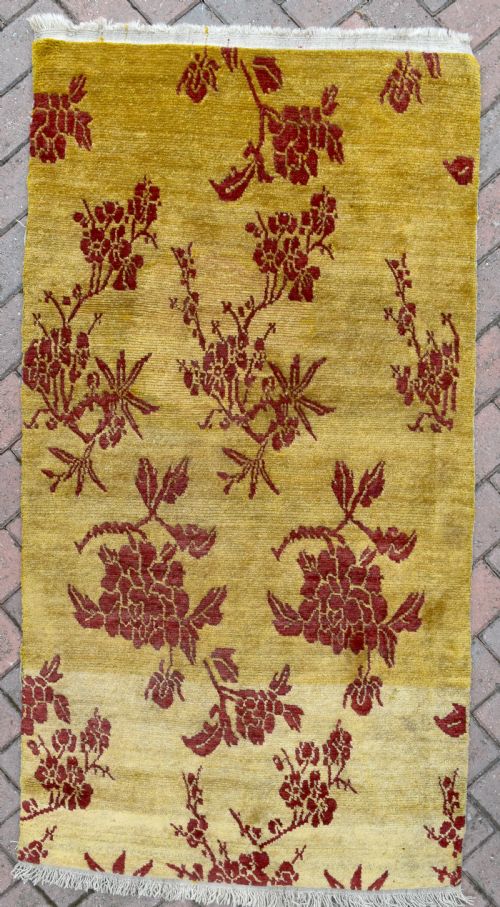
Tibetan Carpet
A tibetan carpet brings genuine Himalayan craft into a room, offering thick pile and striking motifs that ground any interior with warmth.
Tibetan Carpet
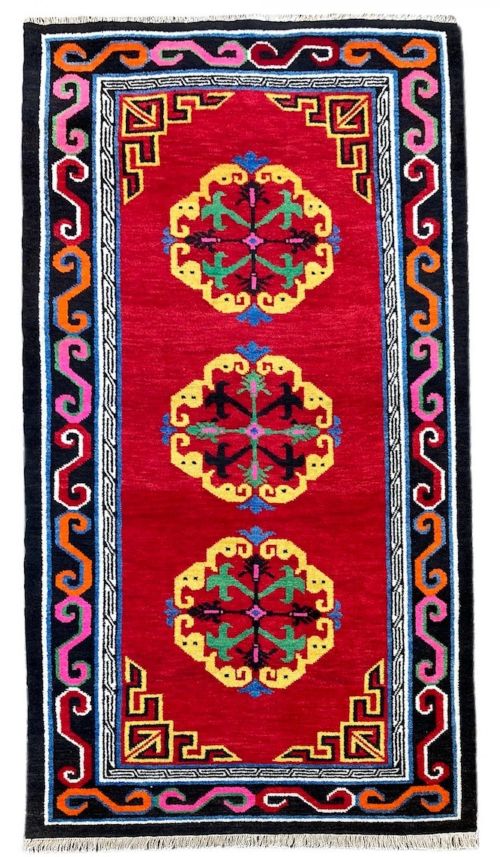
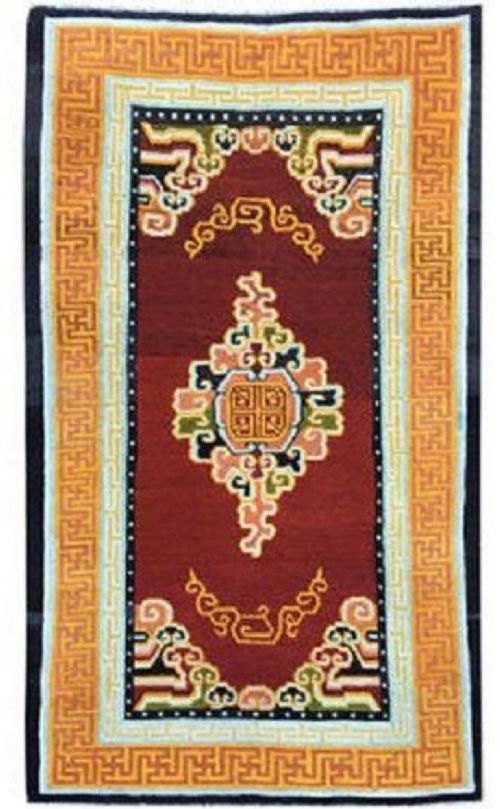
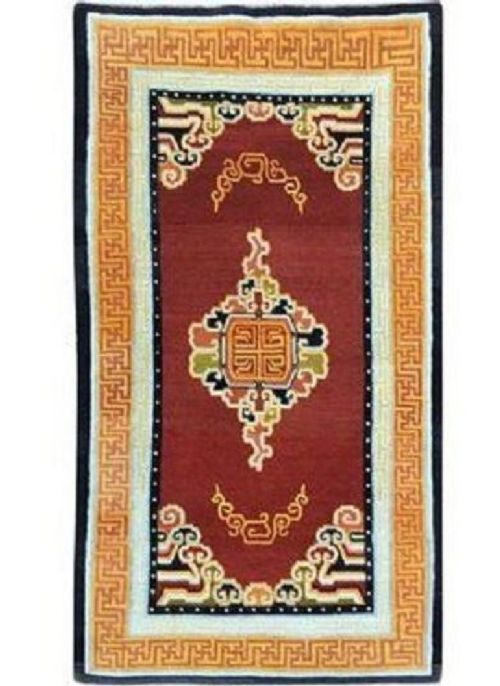
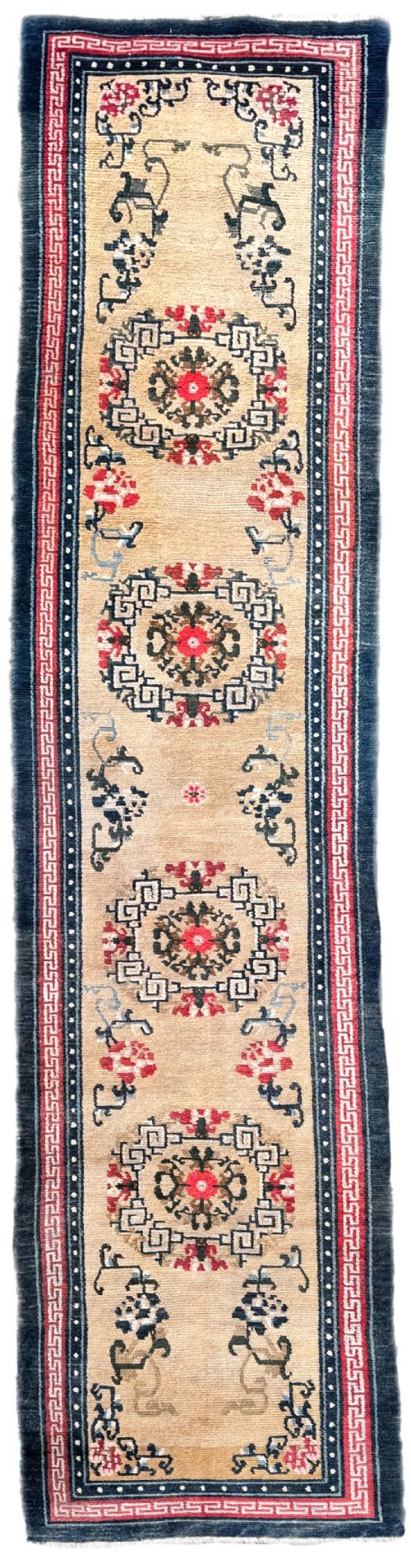
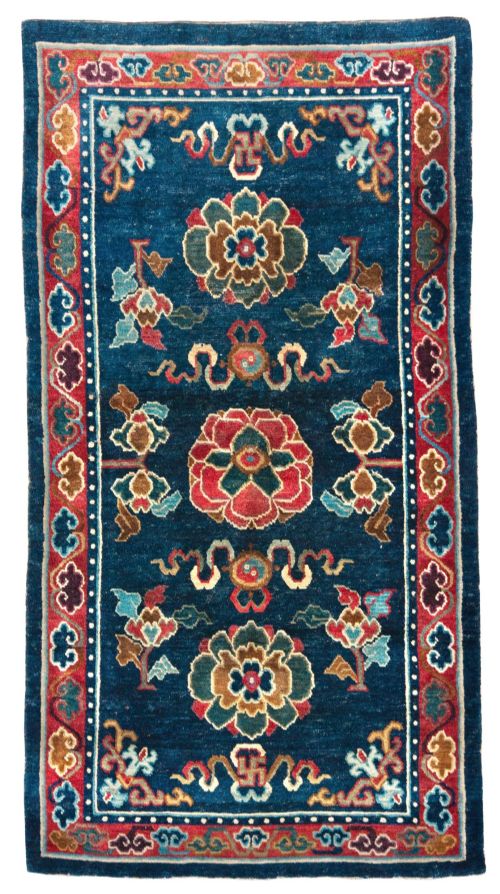
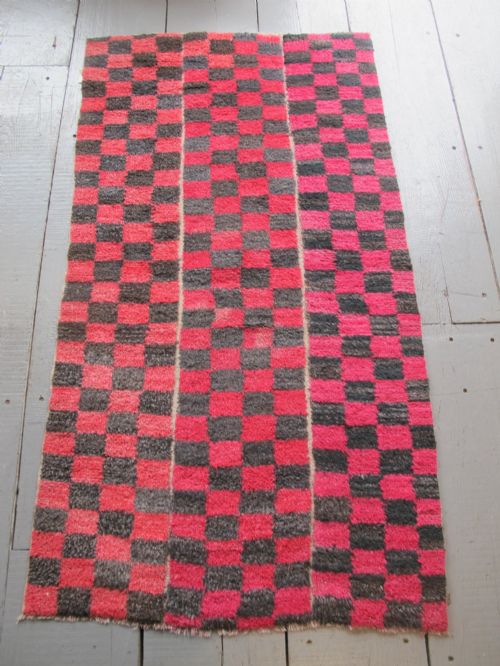
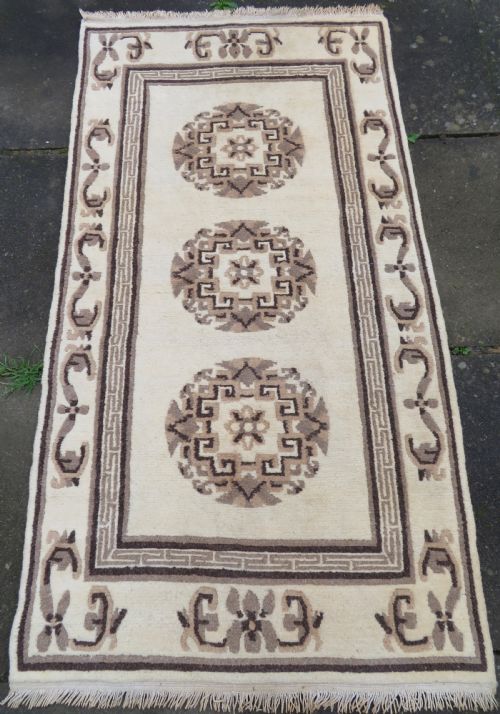
The pieces listed here span the late nineteenth century through to the nineteen-thirties, reflecting the traditional weaving output of Inner Asia and neighbouring border regions. Formats range from intimate seat covers to substantial runners, all sharing the distinct aesthetic of Himalayan regional design.
Materials and Construction
These textiles rely principally on wool and Tibetan wool, often combined with cotton foundations to provide structural stability and durability. The natural animal fibres deliver the dense, resilient pile characteristic of the region.
Weavers utilised traditional loop-fetching knotting techniques unique to the plateau, producing tactile surfaces designed to insulate against cold mountain floors. Leather is occasionally integrated into bindings or finishes for added edge reinforcement.
Tibetan Carpet Retail Price Guide 2026
Typical asking prices for tibetan carpet among the pieces listed under this phrase on Sellingantiques today, from the lower quarter to the upper quarter. They describe what is for sale here now, not the wider market.
Wool collected from high-altitude sheep gives these pile carpets a naturally lanolin-rich resilience that stubbornly resists mountain chill.
Assessing Quality
Quality rests upon the density of the wool pile and the precision of the knotting technique executed by the weaver. Finer examples display crisper execution of traditional motifs and better retention of structural integrity across the cotton foundation.
The visual strength of the folk art design and the preservation of the natural pile distinguish finer pieces from simpler utilitarian examples. Condition and age-related wear also influence how successfully a carpet retains its original decorative impact.
The Tibetan Carpet Glossary
- Khaden
- A traditional Tibetan sleeping or sitting rug, usually longer than it is wide. These smaller formats were designed for domestic comfort on raised platforms.
- Meditation rug
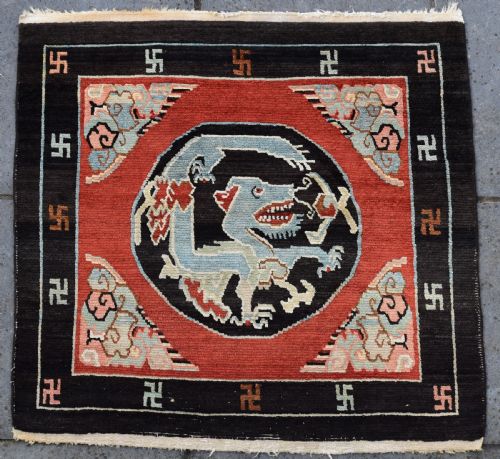
- A compact square or rectangular mat utilised for seated contemplation in monasteries or homes. They often feature specific auspicious symbols suited to their contemplative purpose.
- Saddle cover
- A shaped textile placed beneath a rider to provide cushioning and decoration. These pieces often feature cut-outs or specific contours to fit pack animals.
- Runner
- A long, narrow carpet format suited to corridors or narrow spaces. They guide movement through a building while displaying continuous pattern work.
Tibetan Carpet: Frequently Asked Questions
How do I clean a Tibetan carpet?
Regular gentle vacuuming without a rotating brush helps remove surface dust. Professional specialist cleaning is recommended for deeper maintenance to protect the wool fibres.
Avoid using harsh chemical detergents or excessive water, as these can damage the natural wool and cotton structure.
Where should I place a saddle cover?
These smaller textiles work well displayed as wall hangings to showcase their unique contours and folk art designs. They can also serve as decorative accents on small tables or benches.
Their compact size makes them versatile additions to shelves or unusual wall spaces where standard rugs do not fit.
What is a Khaden?
A Khaden is a traditional Tibetan mat traditionally used for sitting or sleeping on domestic platforms. Their proportions make them ideal for placing beside beds or in seating areas.
They bring authentic Himalayan texture into modern interiors without overwhelming the floor space.
How do I date an antique rug?
Dating relies on examining the materials, dye types, and structural wear patterns visible across the textile. Stylistic elements and regional motifs also provide clues to the period of manufacture.
Comparing construction methods with documented examples from the same era helps establish an accurate timeframe.