


Splayed Leg Desk
A splayed leg desk is a sturdy writing table built for steady work, offering practical surface space and distinct angled supports.
Splayed Leg Desk
A splayed leg desk brings together writing tables and occasional pieces from the Georgian, Regency, and nineteenth century periods. Buyers searching for a splayed leg desk will encounter various timber constructions, including mahogany, elm, rosewood, and pine pieces designed for practical study and writing.
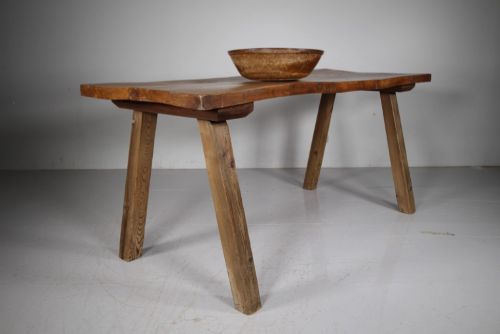
The selection ranges from George III writing tables and Sheraton revival occasional pieces to primitive elm tables and French trestle forms. Most examples date from the eighteenth and nineteenth centuries, reflecting traditional craftsmanship and period utility.
Makers utilised diverse woods such as satinwood, burr maple, and oak alongside brass mounts and leather inserts. These pieces serve as functional desks and tables suited to period interiors.
Materials and construction
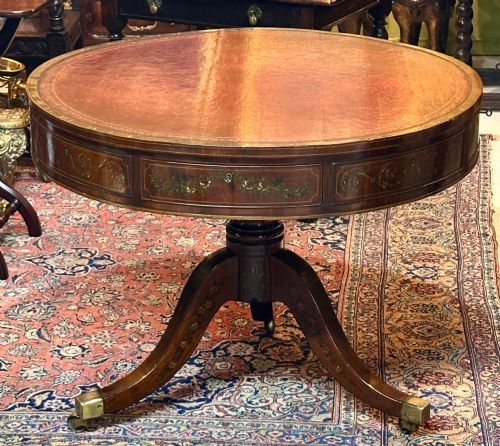
Cabinet makers built these pieces using solid timbers and veneered surfaces, selecting mahogany, rosewood, and elm for their durability and grain. Inlays of satinwood and brass mounts added decorative contrast to writing tables and drum tables.
Structural stability relied on traditional joinery techniques adapted to support angled legs and pedestal bases. Secondary woods like pine appeared in functional parts, while leather surfaces provided writing areas on tables and desks.
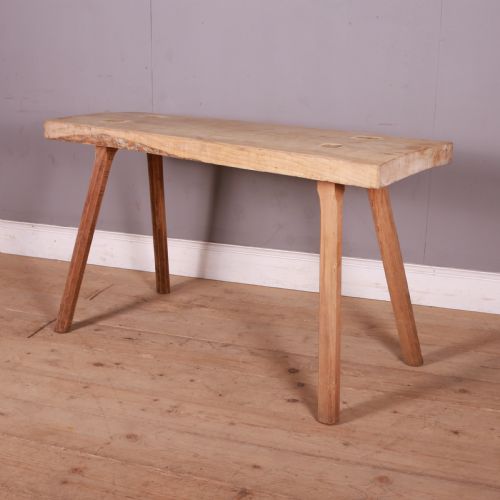
Cobblers benches bring an industrious charm to living spaces, having spent their earlier lives holding leather tools and tacks.
Evaluating quality and execution
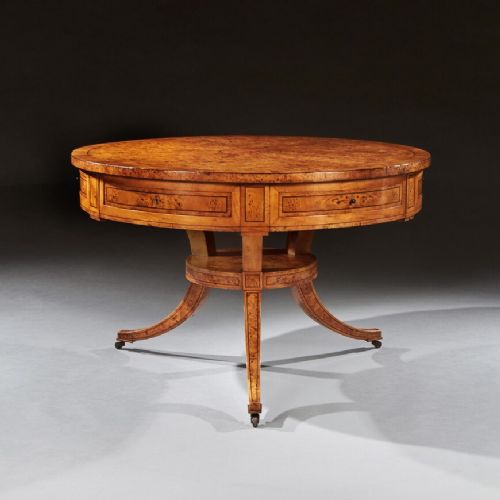
Quality rests on the selection of timber figures, such as burr root maple or figured mahogany, and the precision of satinwood inlays. Superior pieces display thoughtful proportions and balanced brass mounts that complement the primary wood.
The refinement of the joinery and the integrity of the timber distinguish finer examples from standard vernacular pieces. Well-executed turning and stable framing indicate superior workshop standards.
Gillington of Dublin
The Splayed Leg Desk Glossary
- Sofa table
- A rectangular table traditionally placed before a sofa, featuring drop leaves and often twin pedestal supports. These versatile pieces frequently served light writing and reading tasks.
- Drum table
- A circular library table with a deep top resembling a drum, normally fitted with frieze drawers around the circumference. They stand on a central pillar with spreading feet.
- Satinwood
- A hard, yellow timber imported from the West Indies and Ceylon, prized for its lustrous grain. Cabinet makers used it extensively for contrasting stringing and geometric inlays.
- Vernacular
- Everyday objects made by local tradesmen using regional materials rather than following high London fashions. These pieces emphasise robust utility over ornamental refinement.
Splayed Leg Desk: Frequently Asked Questions
What is a splayed leg desk?
A splayed leg desk is a writing table featuring angled supports designed to provide extra stability. These pieces draw on Georgian and Regency forms.
They utilise traditional timbers like mahogany, elm, and rosewood, offering practical surfaces for study and correspondence.
How do I date a writing table?
Dating relies on examining the timber species, construction methods, and hardware styles. Georgian and Regency pieces show specific inlay patterns and joinery techniques.
Secondary woods and fastener types further help determine whether a piece originates from the eighteenth or nineteenth century.
Where were these tables used?
These tables served primarily in studies, libraries, and drawing rooms as designated spaces for reading and writing. Their practical designs accommodated daily correspondence and administrative tasks.
Larger drum tables and sofa tables also functioned as central pieces in principal rooms.
How should I care for antique timber?
Maintain antique timber by keeping it away from direct sunlight and sudden temperature changes. This prevents the wood and veneer from drying out or splitting.
Apply traditional wax polish sparingly to nourish the surface and preserve the natural grain.