





Spiral Twist Stem
These spiral twist stem pieces are elegant drinking glasses and candlesticks defined by their characteristic helical stems, offering a tactile grip and graceful form that collectors prize.
Spiral Twist Stem
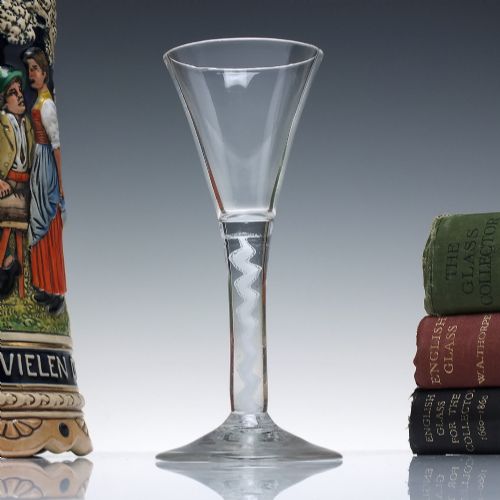
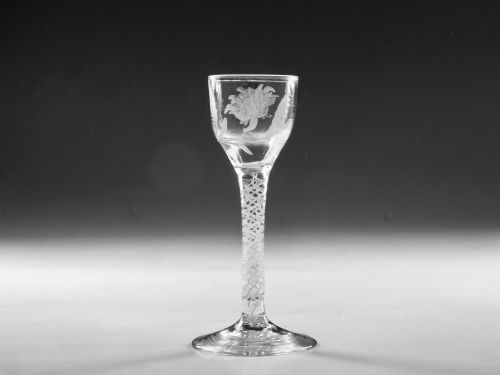
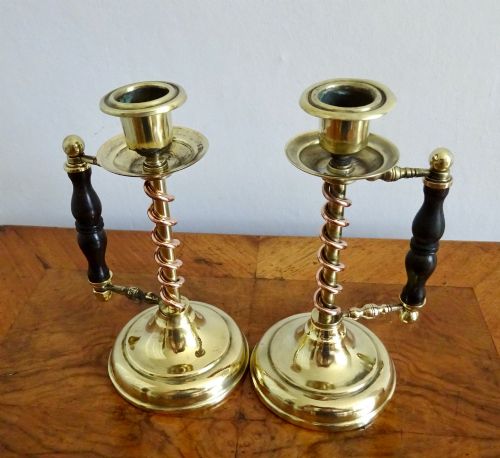
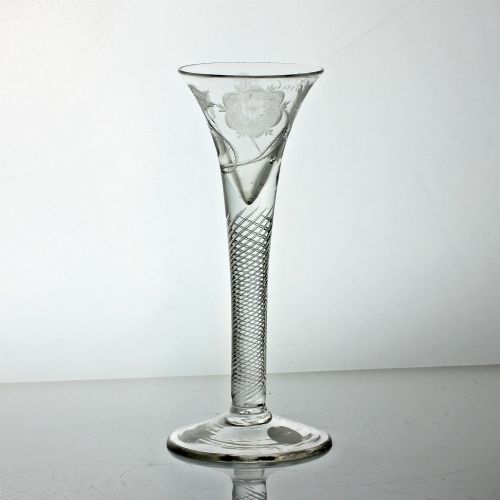
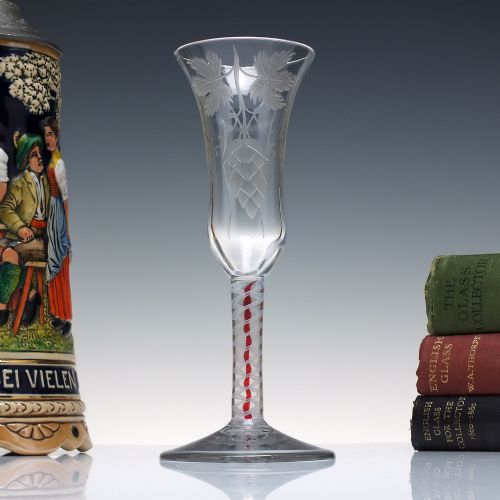
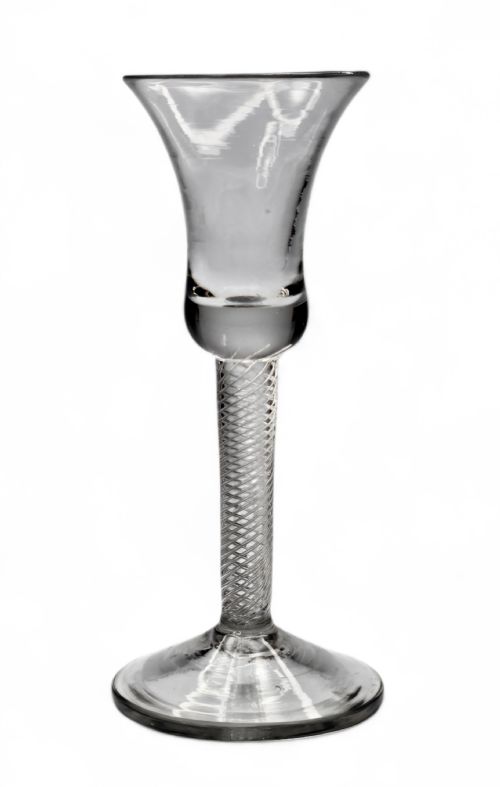
When searching for a spiral twist stem, collectors encounter two distinct forms: drinking vessels from the Georgian era and lighting fixtures or occasional furniture spanning the Victorian and later periods. The wine and ale glasses represent the height of 18th-century glassmaking, featuring delicate bowls perched atop slender, intricately patterned stems.
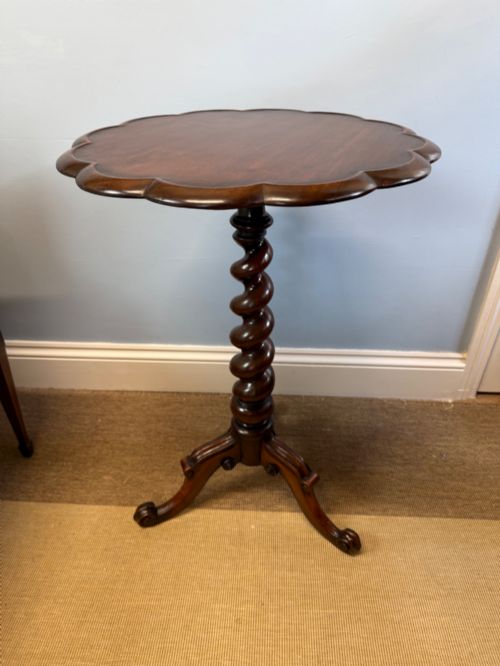
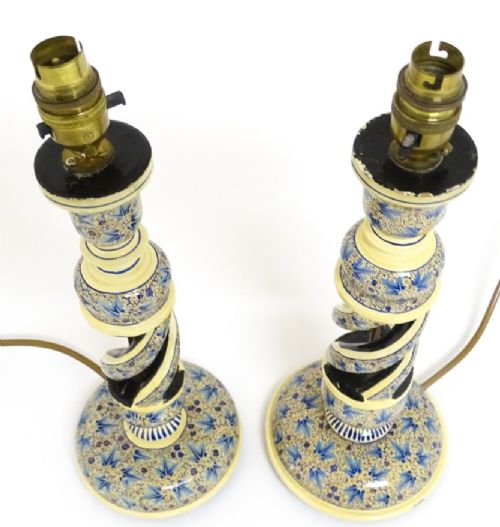
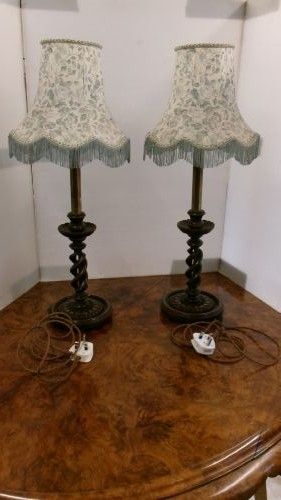
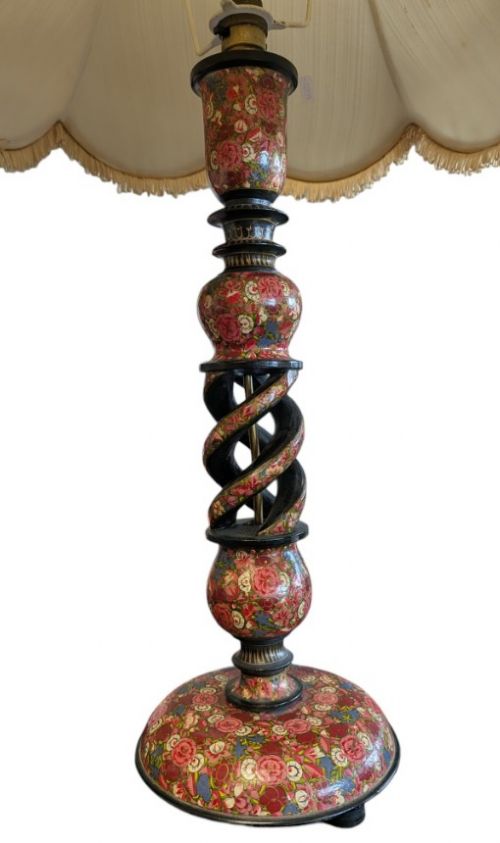
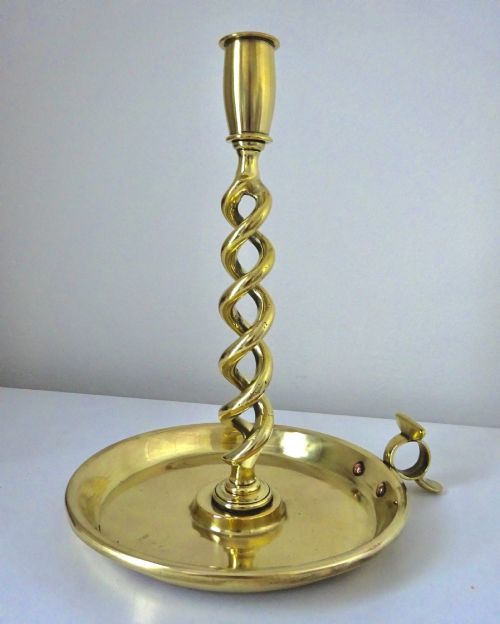
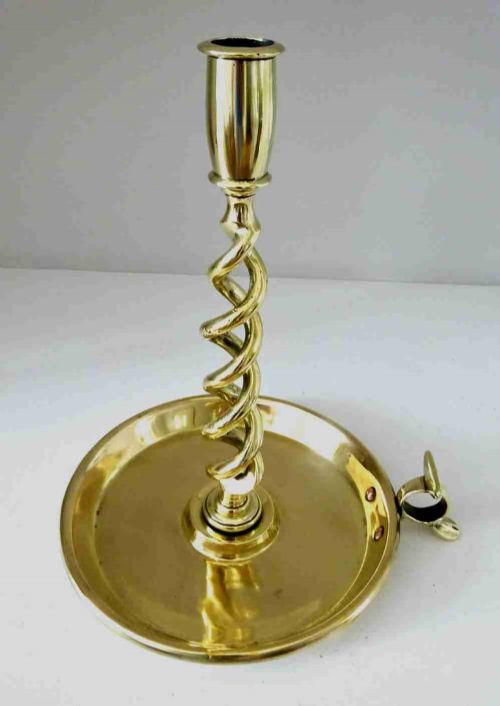
Alongside glassware, the listings comprise brass and wooden candlesticks, table lamps, and occasional tables that translate the helical motif into heavier materials. The Georgian wine glasses remain the most prominent examples on this page, dominated by air twist and opaque twist variations from the middle decades of the 18th century.
How They Were Made
Glassmakers created the delicate internal threads of air twists and opaque twists by drawing and manipulating molten lead glass before the final shaping of the bowl and foot. Air twists rely on elongated bubbles trapped within the glass and pulled into a spiral, while opaque twists incorporate threads of white or coloured enamel glass.
For the metal and wooden pieces, craftsmen utilised turning techniques on lathes to carve barley twist columns into brass, copper, rosewood, walnut, and mahogany. These techniques required precise manual control to maintain a uniform helical angle down the length of the stem or table leg.
Spiral Twist Stem Retail Price Guide 2026
Typical asking prices for spiral twist stem among the pieces listed under this phrase on Sellingantiques today, from the lower quarter to the upper quarter. They describe what is for sale here now, not the wider market.
The materials represented in these listings include lead crystal, brass, copper, rosewood, walnut, and fabric.
What Varies in Quality
Quality in these pieces rests upon the precision and clarity of the execution, whether in the purity of lead crystal or the crispness of a turned wooden column. Finer glassware displays exceptional metal clarity and perfectly symmetrical internal threads without distortion.
In metalwork and furniture, superior examples demonstrate weight, balanced proportions, and careful finishing at the joints and bases. The distinction between ordinary production and finer work lies in the sharpness of the twist and the refinement of the surrounding details.
T Thomason & Co
The Spiral Twist Stem Glossary
- Air twist
- A stem formation containing internal spiral channels filled with air, created by drawing out bubbles in the molten glass. This technique produces a silvery refraction within the stem.
- Opaque twist
- A stem containing threads of white or coloured enamel glass twisted into a helical pattern. These were popular in English drinking glasses during the mid-18th century.
- Barley twist
- A cylindrical form carved or turned into a helical spiral resembling a stalk of barley. It appears frequently on wooden furniture supports and metal candlesticks from the Victorian period onward.
- Lead glass
- A heavy, brilliant glass containing lead oxide, which improves clarity and allows for finer detail in cutting and forming. It served as the primary material for Georgian drinking vessels.
- Jacobite glass
- A drinking glass engraved with political symbols associated with the exiled Stuart cause. These pieces often feature air twist stems and specific floral motifs.
Spiral Twist Stem: Frequently Asked Questions
What is a spiral twist stem?
A spiral twist stem is a helical shaft found on drinking glasses, candlesticks, and table lamps that creates a visual and tactile sense of movement.
The twist can be formed from internal air channels or enamel threads within glass, or carved directly into wood and metal supports.
How do I date a glass twist stem?
Dating relies on the manufacturing technique, the composition of the glass, and the shape of the bowl and foot. Mid-18th-century glasses often feature folded feet and distinct multi-spiral air or opaque twists.
Later Victorian and 20th-century revivals exhibit heavier metal alloys, different crystal formulations, and distinct stylistic proportions.
Were these pieces used daily?
Georgian wine and ale glasses were intended for dining and social occasions, handling toasts and formal gatherings. Candlesticks and table lamps provided essential illumination before electric lighting became widespread.
Today, these items function primarily as decorative display pieces or ambient lighting within domestic interiors.
How should I care for glass and wood twists?
Glass pieces require gentle hand washing in lukewarm water with mild soap, avoiding sudden temperature changes to protect the fragile metal. Wooden and brass items benefit from occasional dusting and appropriate furniture wax or metal polish applied sparingly.
Keeping them away from direct sunlight and damp environments preserves both the materials and the surface finishes.