





Spiral Carved Wood Column
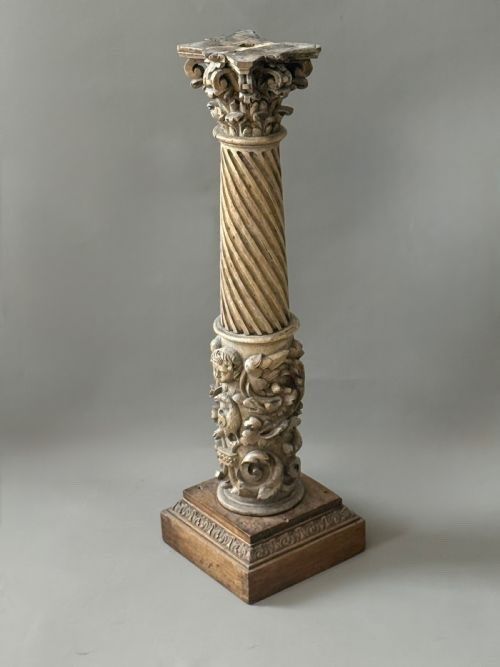
These spiral carved wood column pieces bring historic architectural presence into a room, offering striking vertical lines and rich surface detail.
Spiral Carved Wood Column
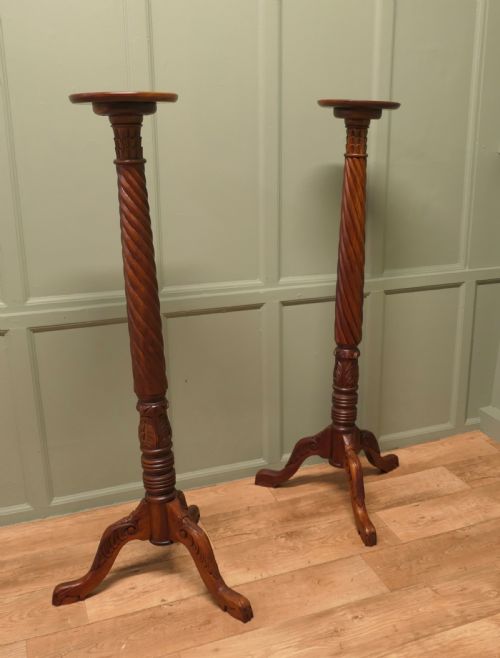
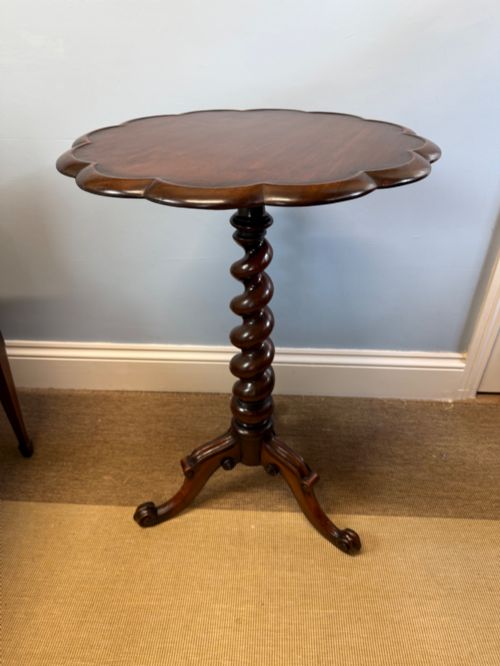
A spiral carved wood column takes the form of architectural supports, floor stands, lamp bases, and structural fragments repurposed into decorative objects. These items emerge primarily from the nineteenth century, including Victorian and William IV periods, alongside earlier seventeenth-century monumental pillars.
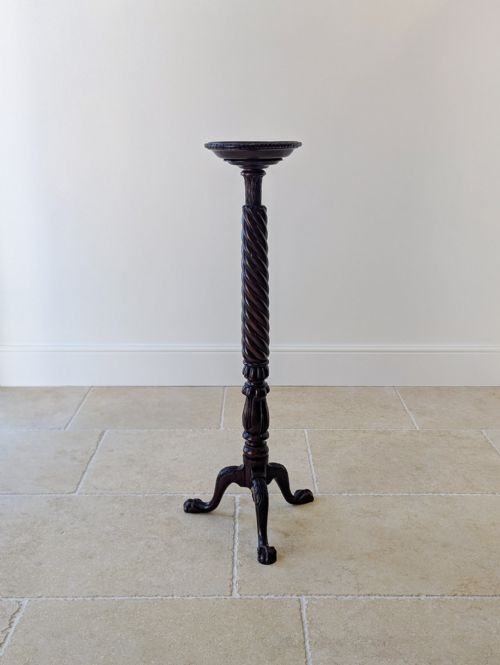
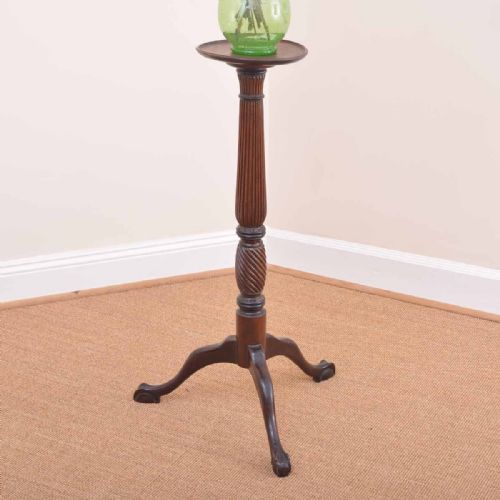
Buyers encounter diverse iterations ranging from tall torchères and plant stands to bed posts and table supports. Mahogany, walnut, oak, and beech form the structural basis of these items, often finished with paint, gesso, or giltwood highlights.
How they were made
Craftsmen shaped solid timbers such as mahogany, walnut, and oak using hand-carving and turning techniques on a lathe to achieve the distinct twisting profile. Artisans then refined the flutes and rope twists manually to ensure crisp definition along the shaft.
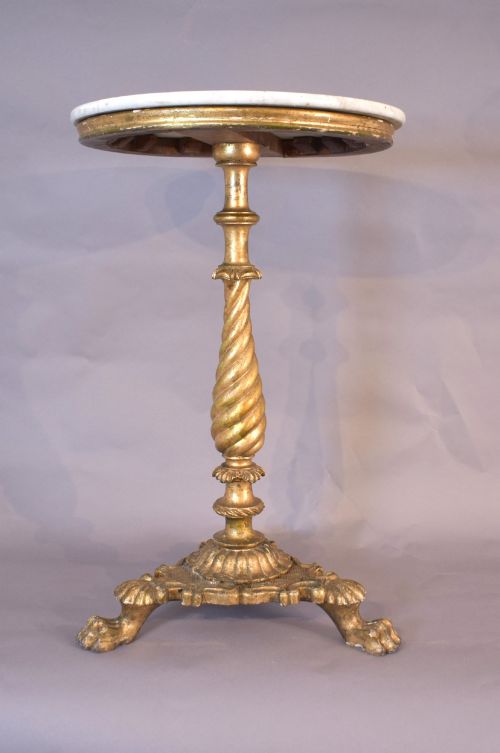
Surfaces received various treatments depending on the intended aesthetic, spanning polished natural wood grains to applied gesso and gilding. Some regional examples incorporate painted finishes or contrasting inlays to enhance the visual depth of the carved motifs.
Spiral Carved Wood Column Retail Price Guide 2026
Typical asking prices for spiral carved wood column among the pieces listed under this phrase on Sellingantiques today, from the lower quarter to the upper quarter. They describe what is for sale here now, not the wider market.
Some nineteenth-century homeowners repurposed solid wooden bed posts into standalone torchères simply to keep the grand twist visible.
What varies in quality
The precision and depth of the hand-carving dictate the distinction between standard production and superior execution. Sharp, well-defined twists maintain their rhythm along the entire shaft without irregular flattening or clumsy joins.
Material selection and structural integrity separate robust examples from compromised pieces. Dense hardwoods like mahogany and walnut provide superior weight and stability, whereas lesser works may display awkward proportions or unsympathetic repairs to the timber.
The Spiral Carved Wood Column Glossary
- Torchere
- A tall stand designed to hold a light source or decorative object. These slender wooden supports often feature ornate carving and tripod bases.
- Giltwood
- Timber coated with a thin layer of gold leaf over a prepared gesso ground. This technique creates a bright, reflective metallic finish on architectural elements.
- Gesso
- A plaster-like mixture applied to wood surfaces as a smooth base for gilding or painting. It allows intricate relief details to be modelled before finishing.
- Padouk
- A dense tropical hardwood displaying rich reddish-brown tones. Craftsmen utilised this durable material for furniture and decorative items during the Regency period.
Spiral Carved Wood Column: Frequently Asked Questions
How were spiral columns used historically?
These columns served as structural supports in grand architecture, as well as freestanding furniture components like bed posts and torchères. They added vertical emphasis and visual drama to interiors.
Later pieces often functioned purely as decorative pedestals, plant stands, or converted lamp bases to display ornaments within domestic spaces.
What woods were used for these columns?
Cabinet makers utilised dense hardwoods including mahogany, walnut, oak, and beech to achieve crisp and durable carved details. Exotic timbers such as padouk also appear in specific Regency items.
Surface finishes range from polished natural grain and paint to applied gesso and giltwood, depending on the period and regional style.
How do I identify a Victorian column?
Victorian examples frequently employ mahogany or walnut with heavy proportions and deep, confident hand-carving. These pieces often align with revival styles popular during the nineteenth century.
Examining the construction methods, tool marks, and timber ageing helps distinguish nineteenth-century production from later reproductions.
Where should I place a column stand?
These tall stands suit corners or empty wall spaces where their vertical form can add architectural interest to a room. They provide an elevated platform for plants, urns, or lamps.
Pairing matching columns creates symmetry, while single monumental pillars work well as standalone sculptural elements.