


Spindle Leg Chairs
Spindle leg chairs bring robust vernacular character into a room, combining turned supports with practical country seating forms.
Spindle Leg Chairs
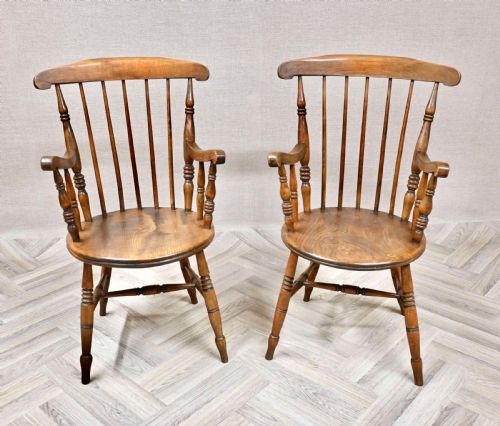
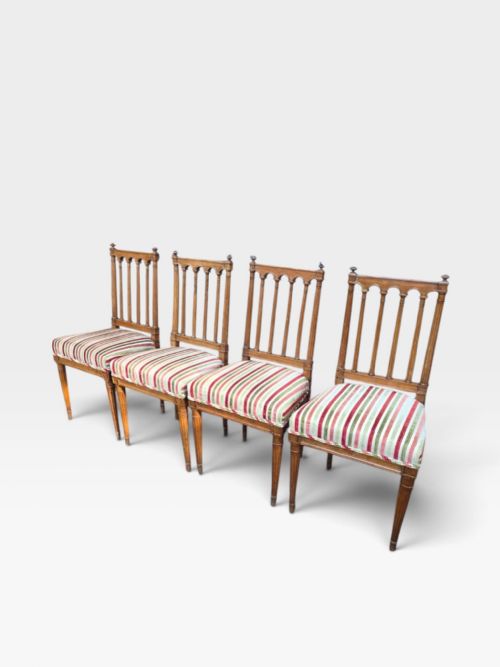
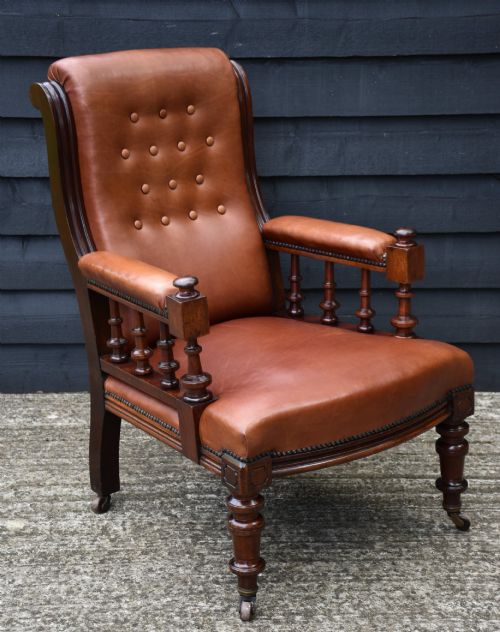
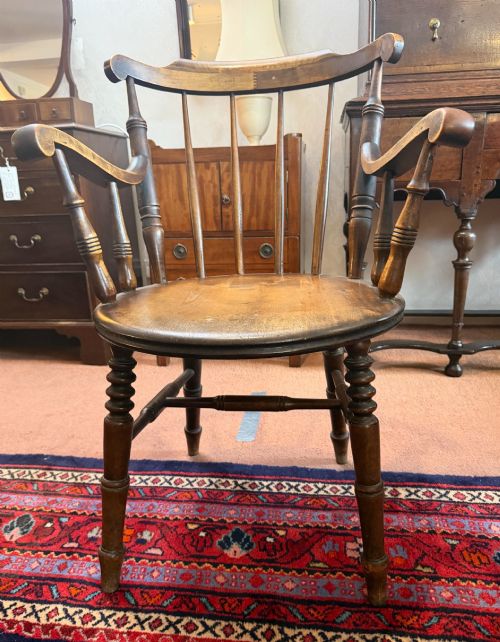
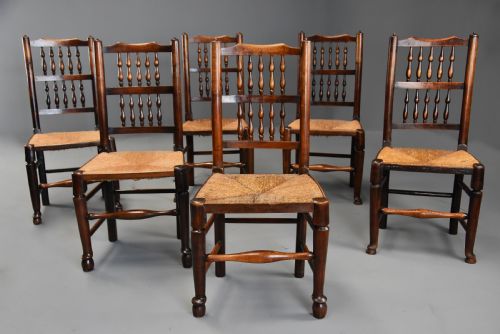
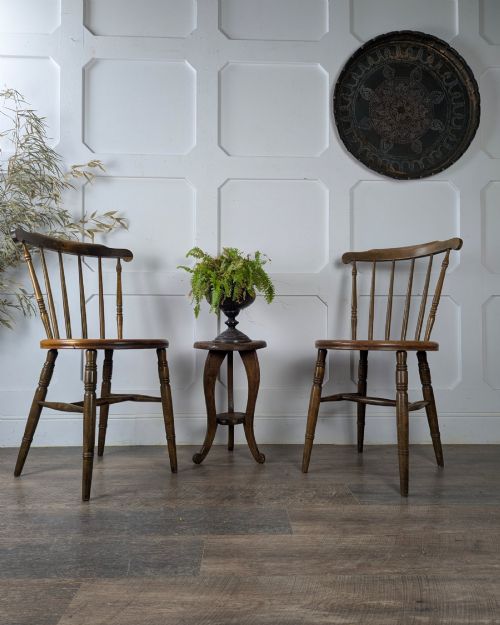
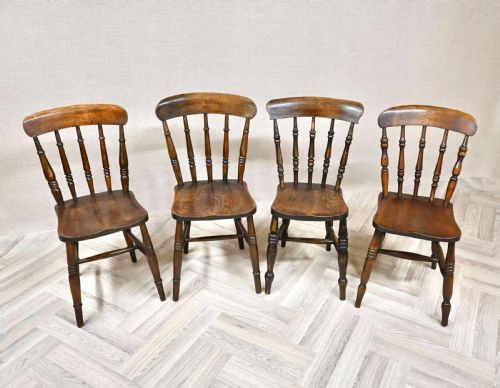
Spindle leg chairs encompass a wide variety of domestic seating, from kitchen and dining chairs to library armchairs and fireside rockers. When exploring this selection, buyers most frequently encounter English country vernacular forms originating in the nineteenth and early twentieth centuries. These pieces reflect regional traditions that prioritized functional utility and comfortable domestic use.
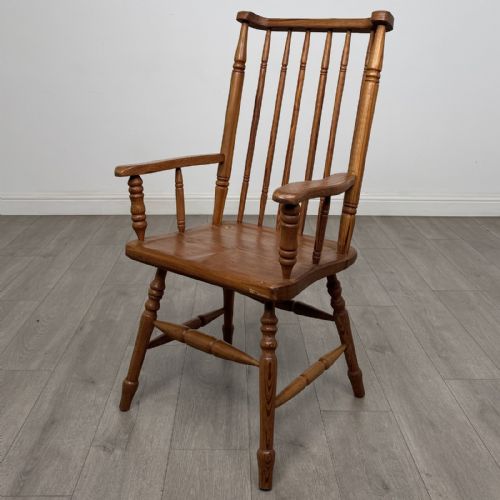
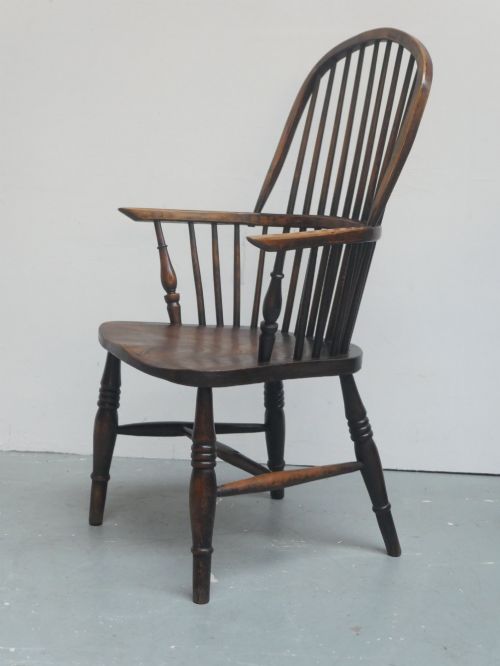
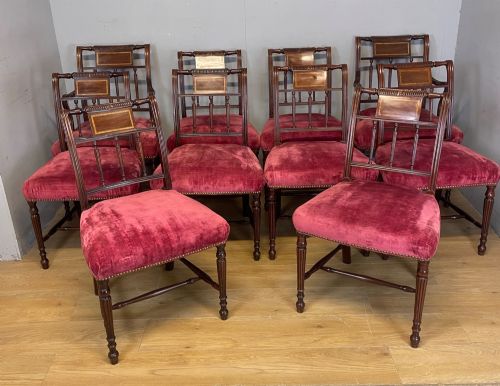
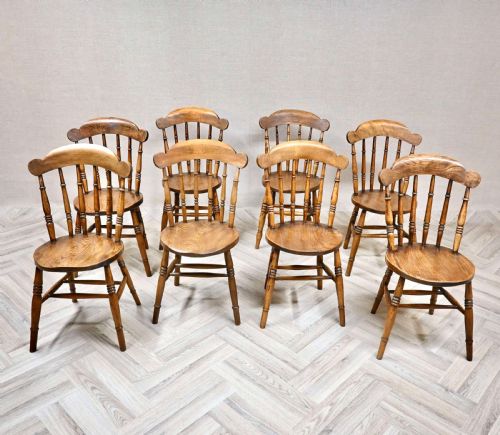
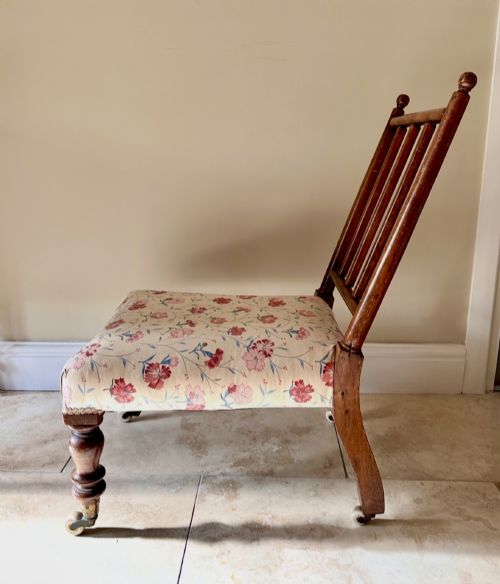
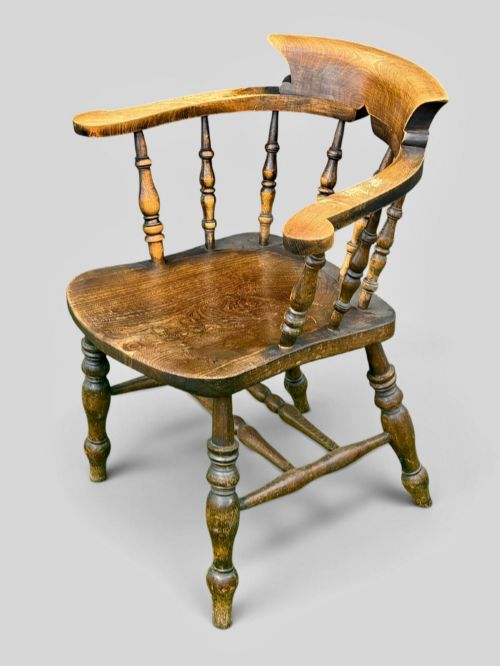
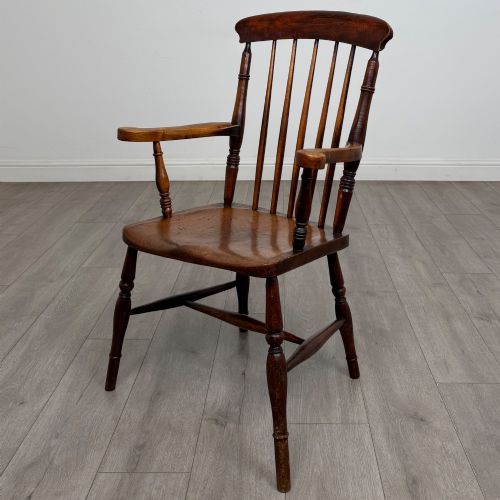
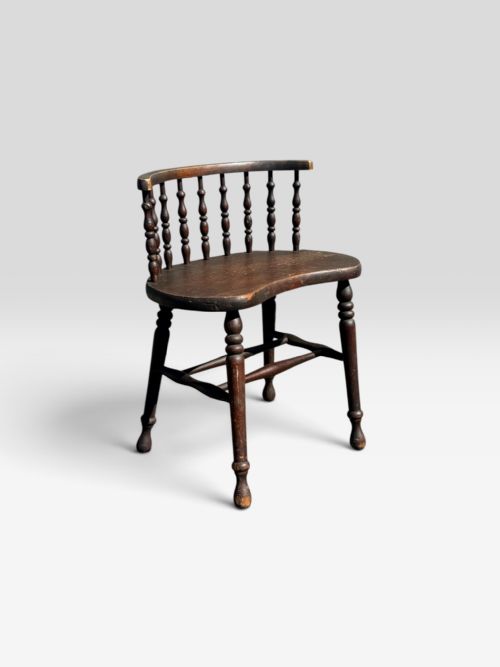
The inventory includes specialised forms such as Windsor armchairs, low back models, smoker's captain's chairs, and nursing rocking chairs. Materials span native timbers like elm, ash, beech, and oak, often paired with rush seats or solid timber saddle seats. Buyers will find individual examples alongside matching sets suitable for everyday dining or architectural accent.
Originating across Victorian and Edwardian periods, these chairs demonstrate diverse regional building methods from the Thames Valley and other local workshops. The defining characteristic remains the slender turned spindle, utilised variously in legs, stretchers, and back supports. This common structural detail links rustic farmhouse seating with more formally styled Victorian dining chairs.
Materials and Construction Techniques
Makers relied on native hardwoods selected for specific structural properties, combining tough timbers like ash and beech for turned legs and spindles with pliable elm for curved crest rails and solid saddle seats. Fruitwood and oak also appear, providing dense grain and rich tone. Rush is occasionally integrated for woven seating surfaces.
Construction depended on traditional joinery, utilising green wood turning alongside seasoned timber components. Legs and back spindles were typically secured through bored holes using wedged tenons, while crinoline and H-stretchers added vital rigidity to the undercarriage. This deliberate combination of different timbers within a single chair ensured both resilience and flexibility.
Spindle Leg Chairs Retail Price Guide 2026
Typical asking prices for spindle leg chairs among the pieces listed under this phrase on Sellingantiques today, from the lower quarter to the upper quarter. They describe what is for sale here now, not the wider market.
Listings feature spindle leg chairs constructed from elm, beech, oak, ash, and mahogany across the nineteenth and early twentieth centuries.
Evaluating Quality and Character
Quality in these chairs rests upon the harmony of proportions, the crispness of the spindle turnings, and the integrity of the timber. Superior examples exhibit deep patination accumulated through generations of use, alongside well-balanced saddle seats sculpted from single planks of elm. The precision of the joinery and the survival of original turned stretchers further distinguish finer specimens.
Lower quality or heavily restored pieces often suffer from replaced components, mismatched timbers, or sanded surfaces that erase historical wear. The distinction between a utilitarian workshop piece and a master craftsman's output lies in the finesse of the spindle profiles and the careful selection of complementary woods for the seat and back.
J Spencer·Worksop·Caistor·Dinco
The Spindle Leg Chairs Glossary
- Spindle
- A slender, cylindrical wooden rod produced on a lathe. Spindles form the vertical supports in chair backs and leg assemblies.
- Windsor
- A traditional chair type featuring a solid timber seat into which the legs and back spindles are directly inserted. These chairs often incorporate curved hoop backs and arm bows.
- Crinoline Stretcher
- A curved or bowed stretcher connecting the legs of a chair near the base. It provides lateral stability and frequently reinforces spindle leg configurations.
- Penny Seat
- A vernacular term for a Windsor chair seat featuring a circular depression or shallow dish scooped out for comfort. This shaping mimics the shape of a large coin.
- Patina
- The surface sheen and mellow colour developed by wood over decades of handling and polishing. Good patina indicates age and authentic preservation.
Spindle Leg Chairs: Frequently Asked Questions
What is a spindle leg chair?
A spindle leg chair is a seating form supported by turned wooden legs shaped on a lathe. These chairs range from simple country kitchen seating to elaborate Victorian dining sets.
The defining feature is the use of slender turned spindles for structural strength and back support. They represent traditional woodworking methods across the nineteenth and early twentieth centuries.
How do I identify Victorian spindle chairs?
Victorian examples often combine multiple native timbers, such as elm seats with beech or ash legs and spindles. They display dense grain patterns and dark patination.
Look for specific regional variations like Thames Valley stick backs or crinoline stretchers. Hardware and joinery marks from this period also assist with dating.
Are these chairs suitable for daily dining?
Many spindle leg chairs were originally built for heavy domestic use in farmhouses and kitchens. Their sturdy construction makes them ideal for everyday dining.
Solid wood saddle seats and braced undercarriages provide durable support. Buyers should check that stretchers and leg joints remain secure before heavy use.
What woods were used in these chairs?
Makers utilised accessible native British hardwoods suited to specific chair components. Elm was preferred for carved saddle seats due to its resistance to splitting.
Ash and beech provided the tensile strength required for slender turned legs and back spindles. Oak and fruitwood appear frequently in regional variations.
How should I care for antique wood chairs?
Maintain antique wooden chairs by keeping them away from direct heat sources and dramatic humidity fluctuations. This prevents timber shrinkage and cracking.
Apply natural beeswax periodically to nourish the wood and preserve the surface patina. Avoid modern liquid polishes that can degrade historical finishes.