











Spelter Art Sculpture
These spelter art sculpture pieces bring twenty-first-century interiors the striking lines of the early twentieth century through accessible metalwork.
Spelter Art Sculpture
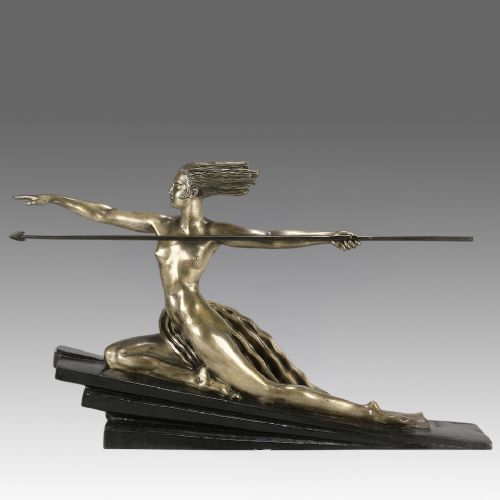
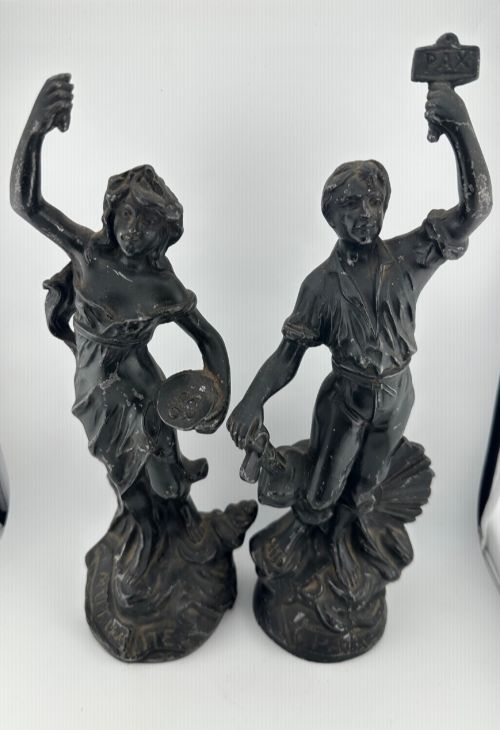
A spelter art sculpture captures the energetic forms and decorative spirit of the late nineteenth and early twentieth centuries, spanning periods from the 1880s through the 1930s. The selection on this page leans heavily toward French production, presenting figures, animals, and functional objects.
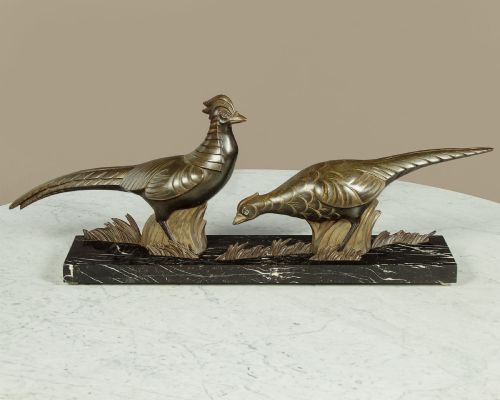
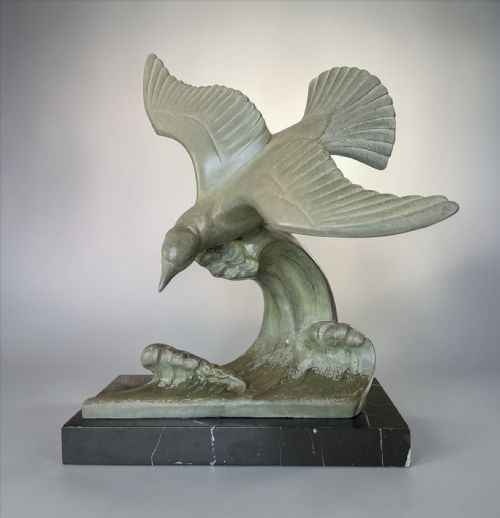
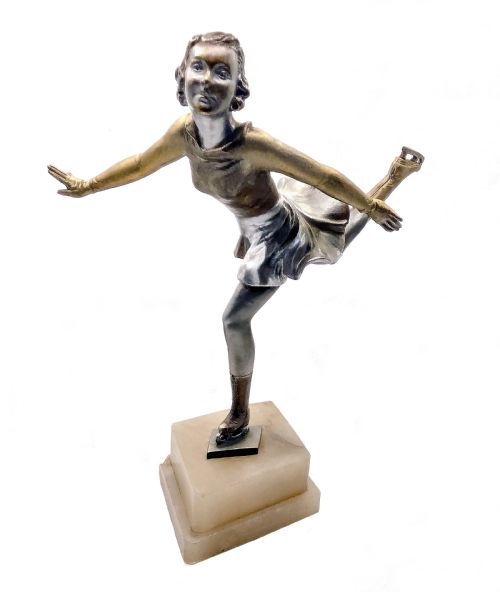
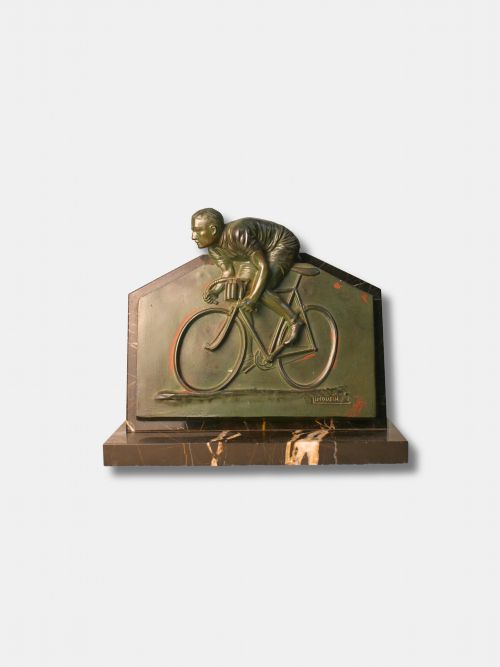
The objects take many forms beyond standalone figures, appearing as table lamps, mantel clocks, bookends, and figural table lighters. Figures of dancers, athletes, animals such as panthers and whippets, and female models dominate the output.
Makers and artists working in these styles utilised zinc-based alloys to create affordable decorative items that emulated the look of heavier bronze. Buyers find pieces mounted on stone plinths like black marble and onyx, often combining glass components in lighting designs.
How They Were Made
Foundries cast these pieces using spelter, a zinc-heavy white metal alloy that melted at lower temperatures than bronze and took fine detail from moulds. Artisans applied patinated metal finishes, sometimes with polychrome painting, to simulate the appearance of precious materials.
Sculptures required heavy mineral bases for stability, leading founders to mount the metal figures securely onto polished marble or onyx plinths. Lighting pieces integrated glass shades and electrical fittings directly into the metallic composition during assembly.
Spelter Art Sculpture Retail Price Guide 2026
Typical asking prices for spelter art sculpture among the pieces listed under this phrase on Sellingantiques today, from the lower quarter to the upper quarter. They describe what is for sale here now, not the wider market.
Cyclists, tennis players, and ice skaters join the traditional dancers, proving that spelter founders eagerly chased every modern sporting craze.
What Varies in Quality
The quality of the mounting and secondary materials sets finer sculptures apart from basic production. Heavy, well-cut marble and onyx plinths or integrated glass elements signal superior studio standards.
Jean de Roncourt·Uriano·Josef Lorenzl·P. Sega·C Masson·Geo Maxim·H. Bal·Chiparus
The Spelter Art Sculpture Glossary
- Spelter
- A zinc-based white metal alloy widely utilised in European foundries as an economical alternative to bronze. It accepts surface patination readily.
- Art Deco
- A design style emerging around 1920 that favoured clean geometric lines, stylised figures, and modern materials. It dominates the 1930s pieces on this page.
- Art Nouveau
- An ornamental style from the turn of the twentieth century featuring flowing organic plant motifs and female forms. Pieces from the 1880s and 1900 show these tendencies.
- Patinated Metal
- A chemically treated surface layer applied to base metal to simulate age or create specific colour tones. It gives the metal its finished visual texture.
- Plinth
- A heavy rectangular or stepped base, typically carved from marble or onyx, used to support and anchor the metal figures. It adds weight and visual contrast.
Spelter Art Sculpture: Frequently Asked Questions
What is spelter?
Spelter is a zinc-based alloy that European foundries used extensively for decorative sculptures and lamps from the late nineteenth century onward. It allowed makers to produce detailed figures at a lower cost than traditional bronze.
Because the metal is softer and lighter than bronze, most figures required heavy stone bases like marble or onyx for proper balance and display.
How do I date a sculpture?
Dating relies on stylistic clues, mounting materials, and any signatures or foundry marks present on the metal or stone base. Pieces displaying geometric forms and athletic motifs generally point to the Art Deco period of the 1920s and 1930s.
Earlier works from the 1880s or turn of the century typically exhibit flowing organic lines associated with Art Nouveau or nineteenth-century French academic traditions.
Are these pieces signed?
Many sculptures carry signatures or pseudonyms cast directly into the metal base or stamped into the plinth. Artists such as Josef Lorenzl and Chiparus signed their original models, which were then editioned by foundries.
Unsigned examples remain common, representing mass commercial production by anonymous workshops that utilised popular contemporary styles.
How should I clean my sculpture?
Dusting gently with a dry, soft cloth preserves the original surface patination and prevents damage to the delicate metal finish. Avoid all water, harsh chemical cleaners, and abrasive polishes that strip away the surface treatment.
Marble and onyx bases can be wiped with a slightly damp cloth and dried immediately to maintain their polished appearance.
Can I use the old lamps safely?
Vintage lighting fixtures often retain their original wiring and components, which may not meet modern electrical safety standards. Buyers intending to use the lamps should have a qualified electrician inspect and rewire the internal fittings.
Preserving the original lamp body and glass shades while updating internal wiring keeps the antique intact and functional.