




Spanish School Art
Spanish school art brings centuries of religious devotion and striking secular portraiture into your rooms through genuine period works.
Spanish School Art
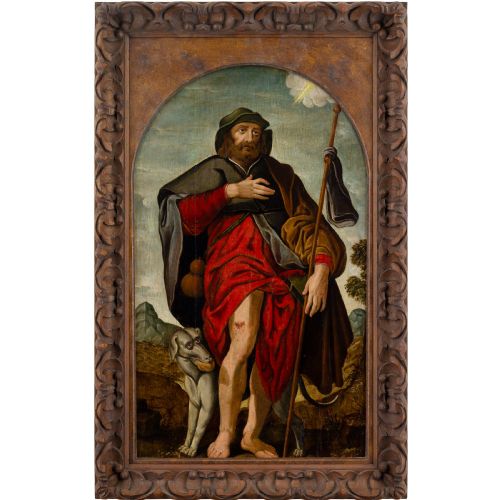
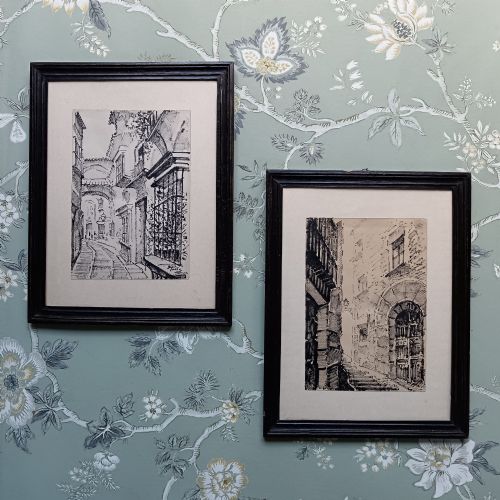
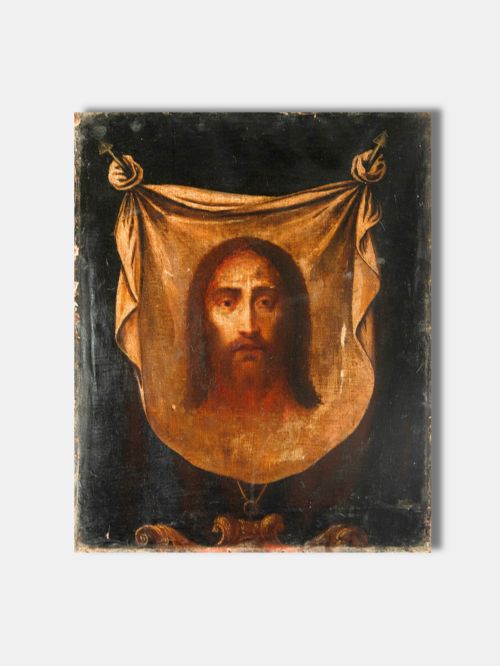
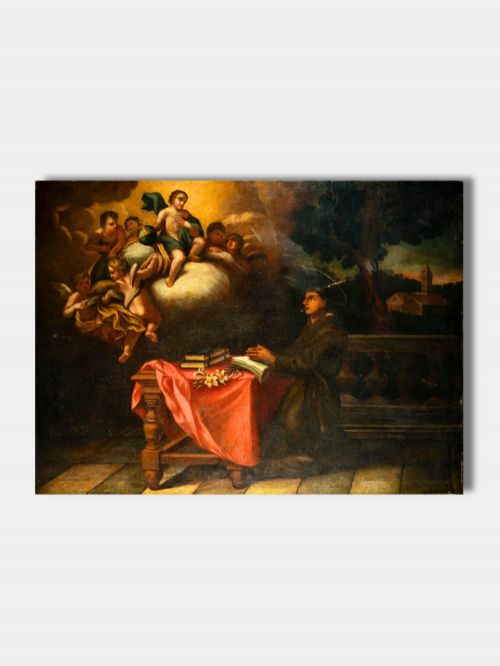
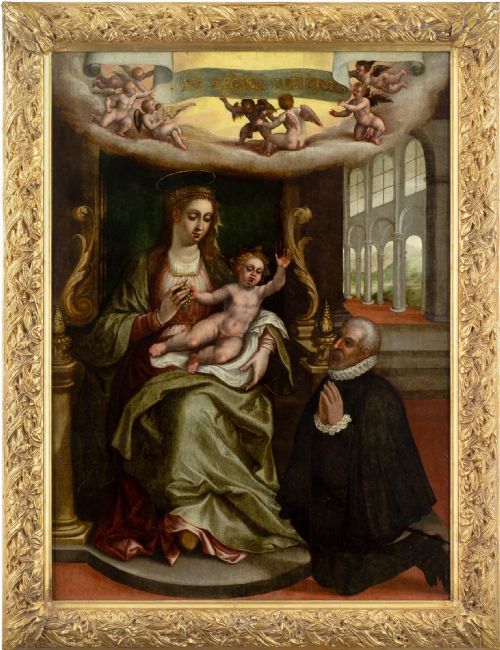
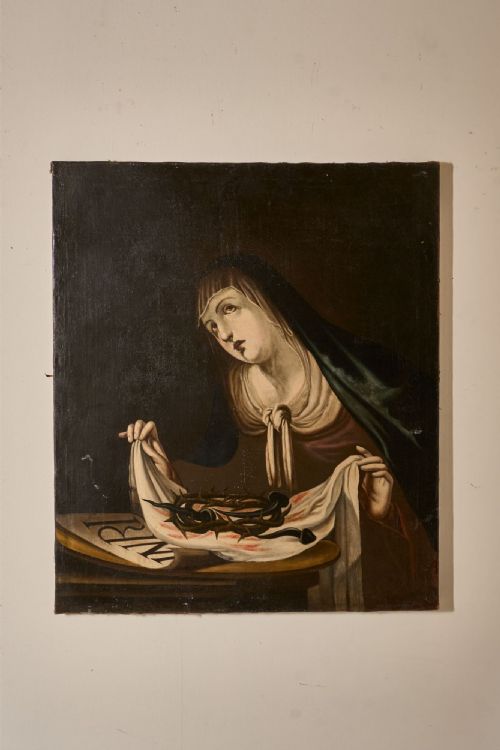
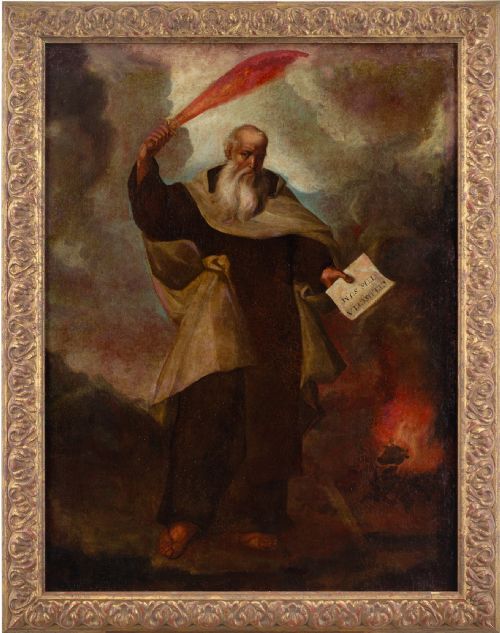
When you search for spanish school art, you encounter centuries of painting and drawing traditions rooted in peninsular workshops. These works range from monumental religious canvases depicting saints and holy faces to domestic genre scenes and architectural ink studies.
The pieces you meet most often on this page span from the late sixteenth century through the seventeenth-century Baroque period up to later academic and mid-century interpretations. Portraits of theologians, still-life studies of larder provisions, and devotional oils form the core of what remains available.
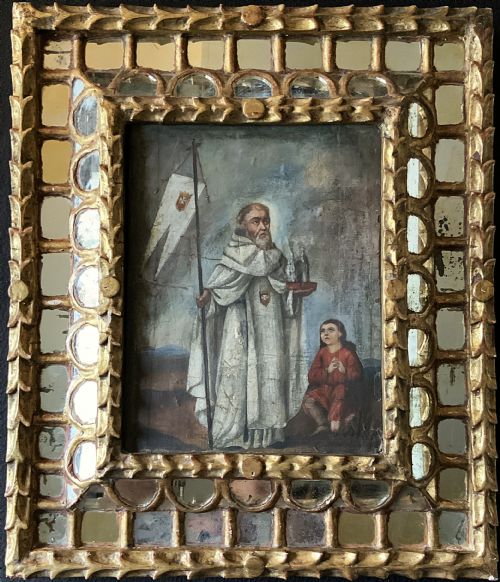
Collectors find works executed on canvas, wood panels, and paper, frequently housed in period giltwood frames. Each piece carries the distinct regional hand of Spanish painters working across successive centuries of artistic development.
Materials and methods
Painters of these works utilised oil pigments applied to prepared canvas and wooden supports, building rich surfaces that capture dramatic contrasts of light and shadow. Draughtsmen also employed ink and paper for architectural studies and character sketches.
Surviving works often retain their original or period framing, including carved and gilded wooden surrounds that complement the deeper tones of the paintings. The integration of canvas preparation and pigment layering defines the physical presence of these pieces.
Spanish School Art Retail Price Guide 2026
Typical asking prices for spanish school art among the pieces listed under this phrase on Sellingantiques today, from the lower quarter to the upper quarter. They describe what is for sale here now, not the wider market.
One remarkably detailed larder still-life manages to crowd eggs, walnuts, lamb, playing cards, dice, and snails onto a single canvas.
Factors of quality
The distinction between ordinary workshop production and masterwork execution lies in the handling of facial expression, drapery folds, and compositional depth. Finer examples display confident brushwork and anatomical precision, particularly in complex portraits and devotional narratives.
The integrity of the original surface and the survival of period framing also influence the standing of a piece. Works retaining their initial canvas support and authentic giltwood surrounds hold greater art historical resonance.
Miguel Barroso·Flores Cadiz
The Spanish School Art Glossary
- Spanish Baroque
- A stylistic period spanning the seventeenth century characterised by intense emotional expression, dramatic tenebrism, and profound religious themes.
- Giltwood
- Wood carved and coated with a thin layer of gold leaf or gold paint, frequently used for seventeenth-century frames.
- Tenebrism
- A painting technique involving violent contrasts of light and dark, where darkness becomes a dominating feature of the image.
- Oil on canvas
- Pigments bound in a medium applied to a woven fabric stretched across a wooden frame, standard for much European painting.
- Still-life
- A painting depicting inanimate subject matter, such as larder provisions, game, or household objects.
Spanish School Art: Frequently Asked Questions
How do I date a Spanish school painting?
Dating relies on stylistic markers, costume details, pigment analysis, and the construction methods of the canvas and stretcher. Frame styles often provide corroborating evidence for the era.
Experts also examine the preparation layers and canvas weave to align the physical object with known workshop periods.
What subjects are typical in Spanish art?
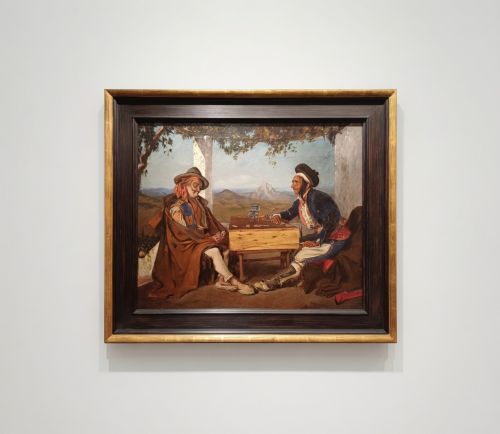
Religious iconography dominates early works, including saints, holy visions, and biblical narratives intended for private or ecclesiastical devotion. Secular portraits, card players, and kitchen still-lifes appear more frequently in later periods.
These varied subjects reflect the changing patronage of Spanish workshops over the centuries.
How should I care for an antique oil painting?
Keep paintings away from direct sunlight, heating vents, and damp environments to protect the canvas and wood from warping or cracking. Dust the surface gently with a soft, dry brush without applying pressure.
Professional conservation should be sought for any cleaning or structural repair to preserve the integrity of the paint layer.
Why do many pieces feature religious themes?
Catholic patronage drove the production of Spanish painting for centuries, commissioning works for churches, convents, and private prayer spaces. Artists honed their skills by portraying saints, martyrs, and sacred mysteries with intense realism.
This strong religious mandate shaped the technical and emotional depth characteristic of the school.