
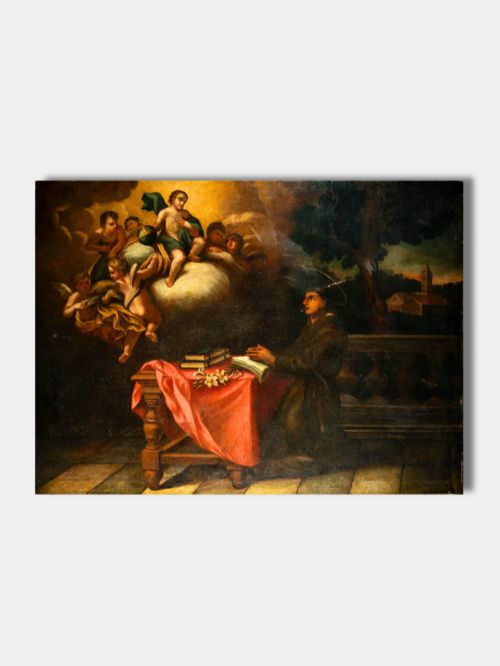
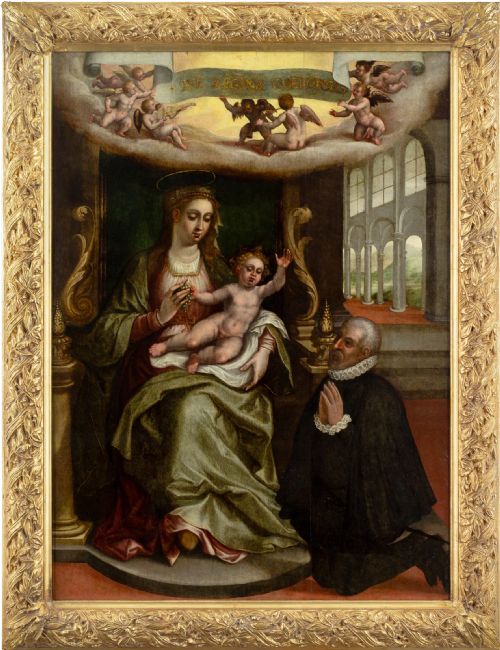
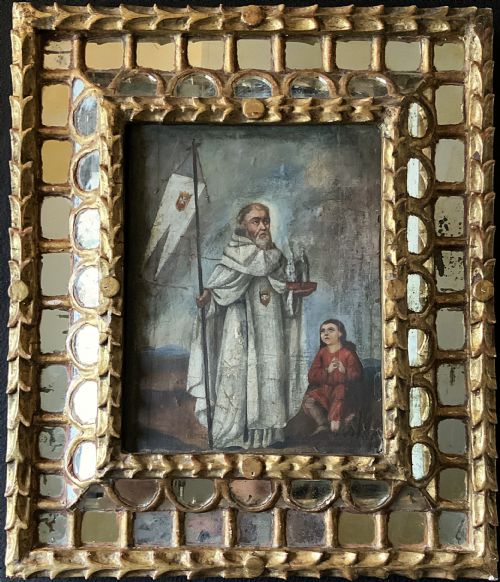

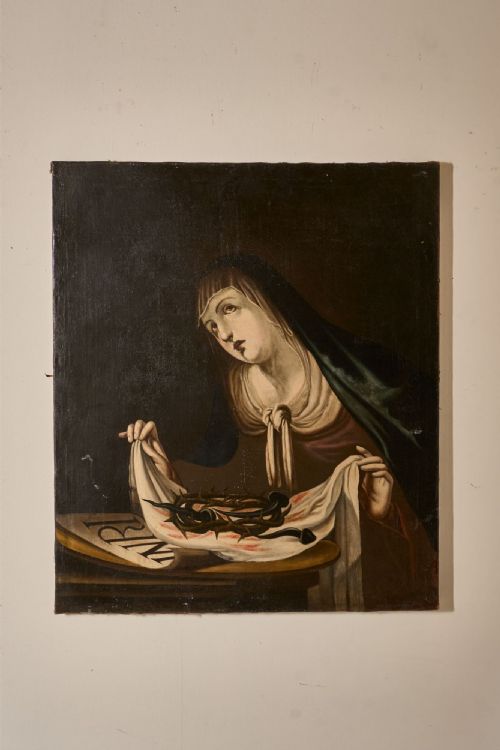


Spanish Devotional Painting
Spanish devotional painting comprises sacred canvases and wooden sculptures created to inspire prayer and contemplation in homes and churches.
Spanish Devotional Painting
When you search for Spanish devotional painting, you encounter sacred art produced across multiple centuries, ranging from small domestic canvases to monumental altarpiece works. The selection draws primarily from the seventeenth and eighteenth centuries, reflecting deep religious traditions through depictions of saints, the Virgin and Child, and biblical scenes.
Most pieces you meet on this page take the form of oil paintings on canvas, frequently housed in giltwood frames, alongside carved wood home altars and polychrome sculptures. Styles stretch from Spanish Baroque and Renaissance to colonial works and regional folk art, demonstrating the diverse ways makers expressed religious devotion.
Materials and construction
These works rely on oil paint applied to prepared canvas surfaces or carved wooden supports, often enhanced with polychrome pigments and gold leaf. Painters utilised traditional oil techniques to build rich textures and deep shadows, particularly evident in portraits of saints and devotional figures.
Makers shaped structural elements from timber, carving wood into sculptural figures and domestic altars that received detailed layers of paint and gilding. Giltwood frames completed many of the canvas works, matching the ornate aesthetic favoured by Spanish Baroque and colonial workshops.
Several saints keep very good company here, sharing shelf space with painted lambs and celestial shepherds.
Quality and execution
The sophistication of the carved wood elements and the integrity of the original giltwood frames further distinguish superior pieces. Works linked closely to known artistic circles or master workshops often exhibit a higher standard of composition and finish.
Miguel Barroso·Juan Ruiz Soriano·Gaspar de Figueroa
The Spanish Devotional Painting Glossary
- Spanish Baroque
- A stylistic period spanning the seventeenth century characterised by dramatic contrast between light and dark, intense emotion, and ornate detail. This approach defined much of the religious art produced in Spain and its colonies.
- Polychrome
- Painted in several colours, most commonly applied to carved wooden sculptures and home altars to create lifelike appearances. Artisans built up layers of pigment over gesso grounds.
- Giltwood
- Wood decorated with gold leaf or gold paint, frequently used for the elaborate frames surrounding oil paintings or structural elements of home altars. It adds reflective warmth to sacred interiors.
- Home Altar
- A portable or domestic shrine designed for private prayer within a household, often combining carved wooden sculptures, painted panels, and architectural framing.
- Oil on Canvas
- A painting medium where pigments are suspended in drying oils and applied to a stretched fabric support. This combination allowed artists to achieve rich colour saturation and subtle blending.
Spanish Devotional Painting: Frequently Asked Questions
What is a home altar?
A home altar is a small devotional structure designed for private prayer within a domestic setting. These pieces often combine carved wooden sculptures with painted panels.
Such shrines allowed families to maintain personal religious practices outside of parish churches. They reflect the intimate nature of Spanish devotional life across the centuries.
How do I identify a Baroque frame?
Baroque frames are characterised by heavy carving, scrollwork, and giltwood surfaces designed to complement the drama of the artwork within. They often feature floral motifs and deep mouldings.
These frames serve to draw the eye toward the sacred subject while adding architectural presence to the painting.
What subjects appear most often?
Common subjects include the Virgin Mary, the Christ Child, and various saints such as Saint Anthony of Padua and Francis Xavier. Narrative scenes from the Passion of Christ also recur frequently.
Each subject was chosen to prompt specific meditative thoughts and prayers from the viewer.
How should I care for old canvas paintings?
Keep painted canvases away from direct sunlight and stable environmental conditions with moderate humidity. Avoid touching the paint surface to prevent oils from your skin damaging the pigment.
Dust gently with a soft, dry brush only when necessary. Professional conservation is recommended for any deeper cleaning or structural repairs.