

Souvenir Sculpture
Souvenir sculpture brings home the classical monuments, gods and emperors that travellers encountered on the Grand Tour across Europe.
Souvenir Sculpture
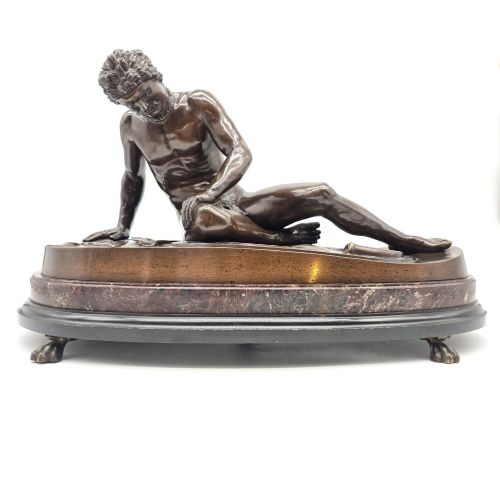
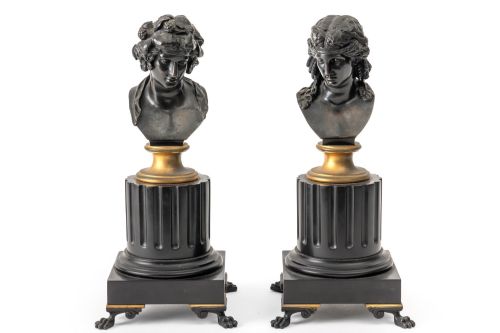
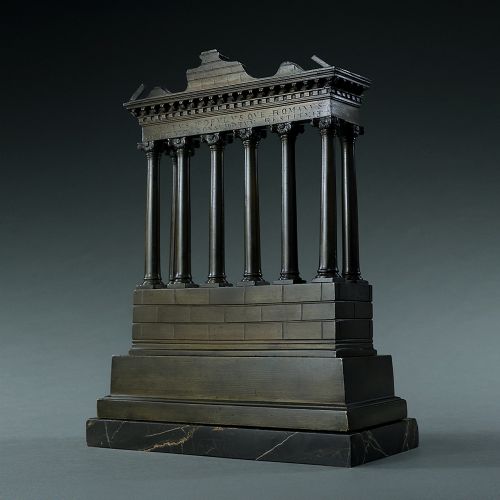
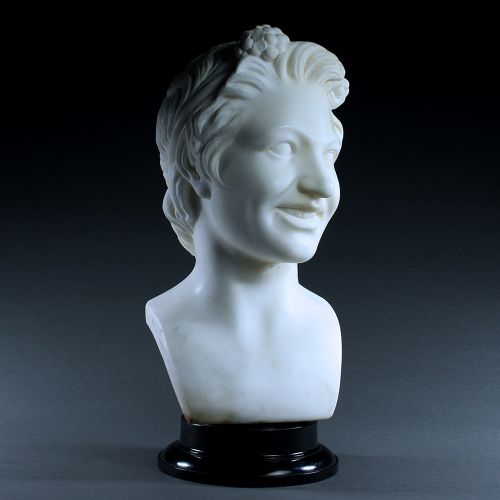
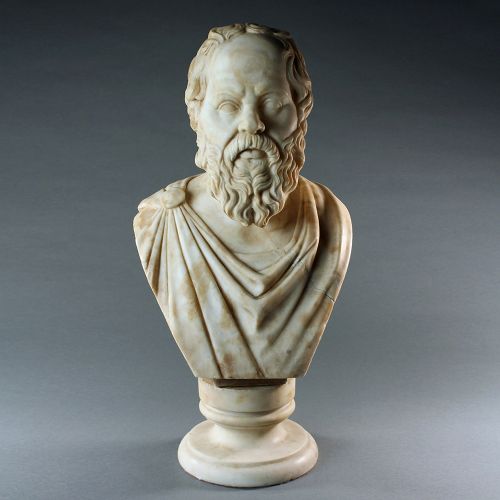
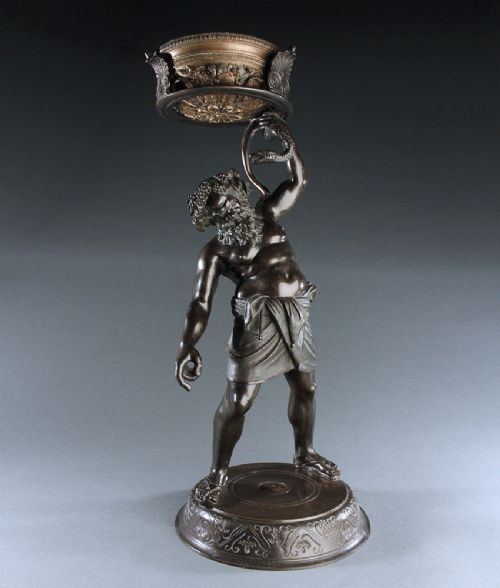
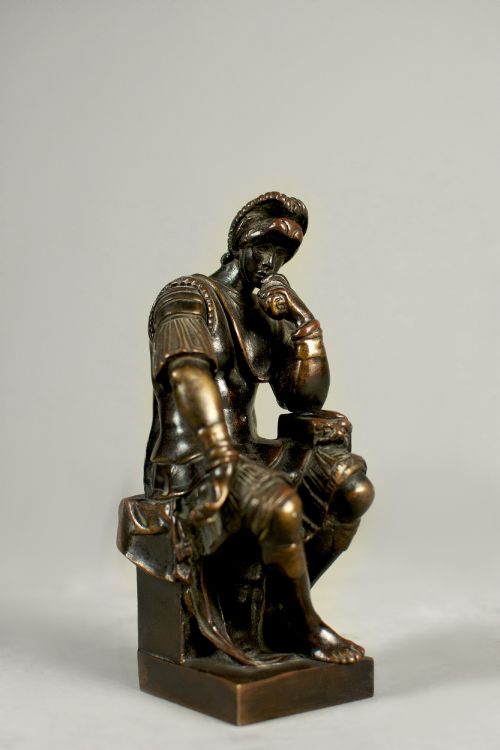
When you examine souvenir sculpture, you see small-scale representations of classical antiquities, architectural models and famous statues designed for nineteenth-century travellers. These pieces capture the cultural ambition of the Grand Tour, translating major monuments and museum masterworks into portable forms.
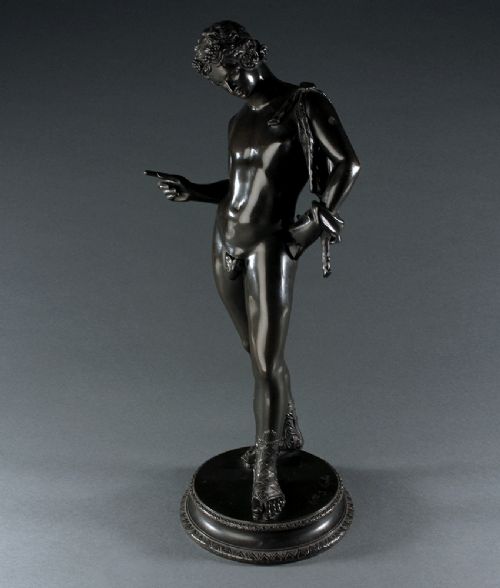
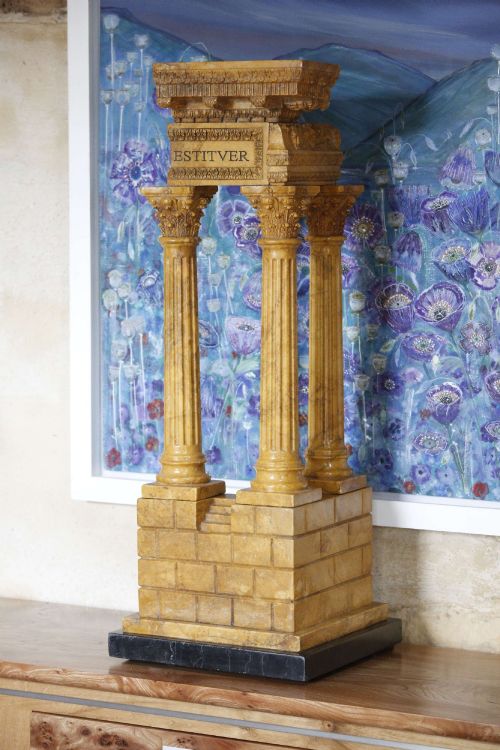
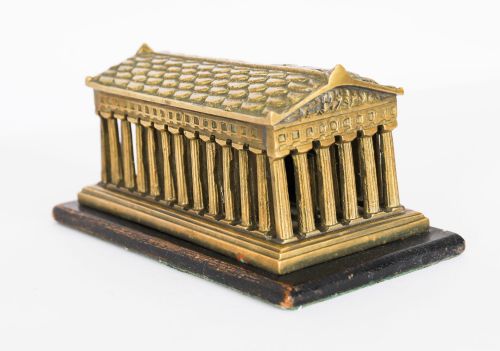
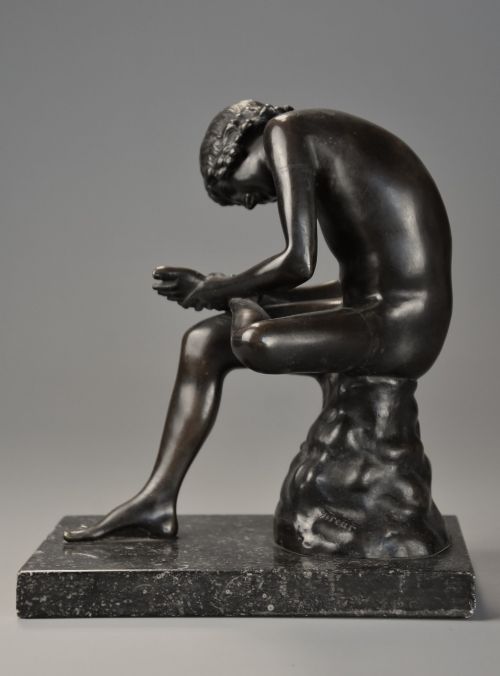
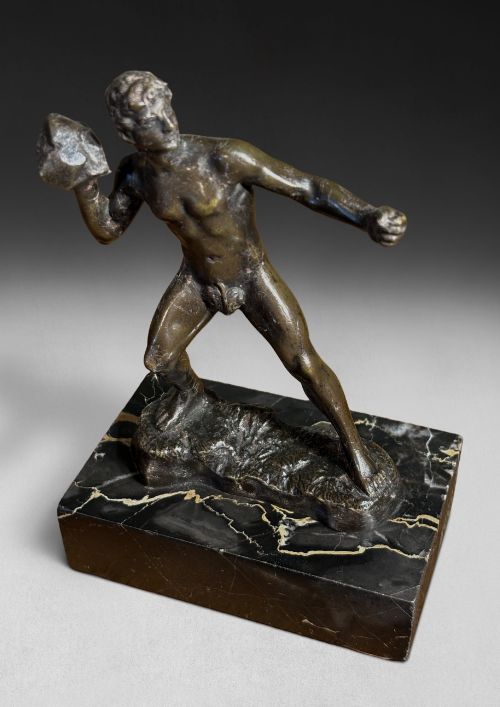
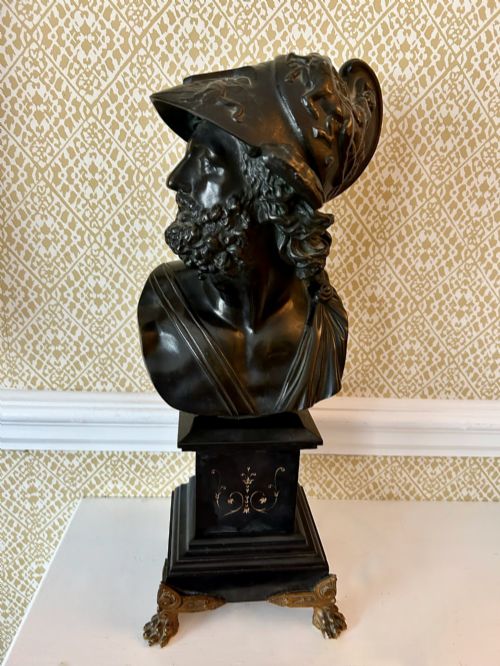
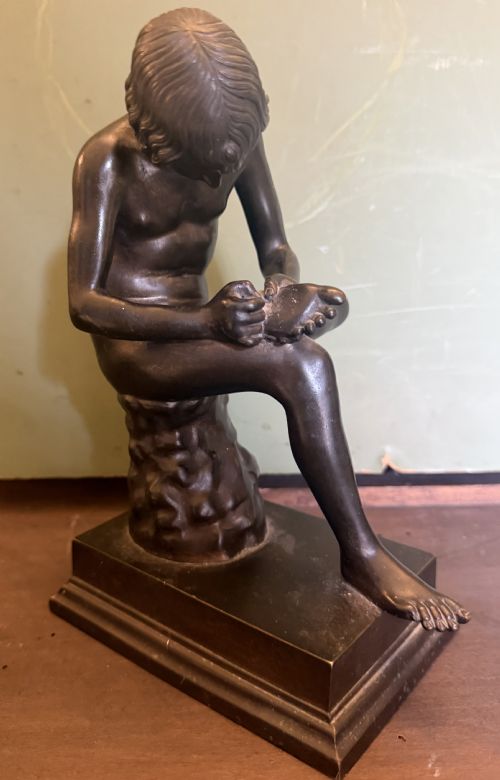
The version you are most likely to meet on this page is the Italian Grand Tour bronze or marble reduction, dating from the nineteenth century. These range from reductions of Roman statues like the Spinario and Narcissus to architectural models of columns, temples and ruins.
Beyond classical subjects, the selection includes Egyptian Revival sphinxes, Gothic architectural ruins in bog oak, and detailed works in alabaster and various marbles. Each piece served as a tangible record of travel and education in the nineteenth century.
Materials and techniques
Bronzes were cast using traditional methods, often receiving patination ranging from dark green to verdigris to simulate ancient buried metal. These casts were frequently mounted on dedicated plinths of black, fossil or coloured marble.
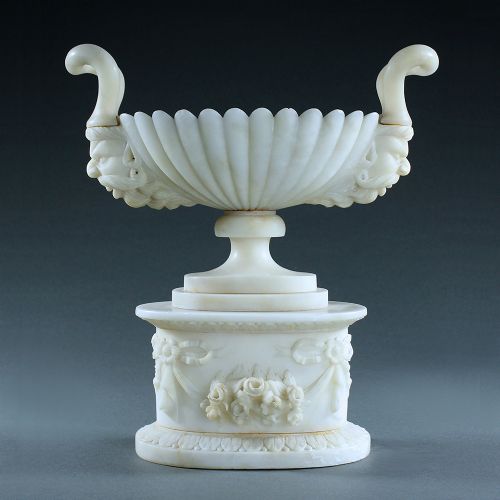
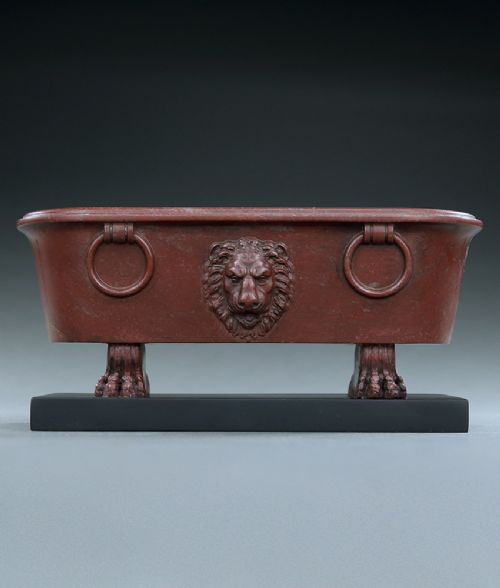
Stone and marble pieces relied on careful hand carving to replicate architectural elements and figural details. Materials such as Giallo Antico, serpentine, verdo prato and alabaster were chosen for their natural veining and colour, closely mimicking ancient Roman stonework.
Mixed media works combined carved wood, shell, wax or beadwork with metal supports, demonstrating the diverse artisanal output catering to nineteenth-century tourists.
Souvenir Sculpture Retail Price Guide 2026
Typical asking prices for souvenir sculpture among the pieces listed under this phrase on Sellingantiques today, from the lower quarter to the upper quarter. They describe what is for sale here now, not the wider market.
Listings feature nineteenth-century materials including Giallo Antico marble, alabaster, bog oak, and patinated bronze across various figural and architectural forms.
Distinctions in quality
The fidelity of the reduction separates standard tourist pieces from superior works. Finer sculptures retain the anatomical precision, facial expression and crisp drapery of the original full-scale monuments after which they were modelled.
The selection of base materials heavily influences the overall character of a piece. Superior examples utilise carefully chosen decorative marbles with striking natural movement, paired with tightly fitted bronze mounts rather than generic stone bases.
G Amodio Naples
The Souvenir Sculpture Glossary
- Grand Tour
- A traditional trip of Europe undertaken by upper-class European young men of sufficient means flourished from the seventeenth through the nineteenth centuries. It generated a vast market for portable art and architecture.
- Reduction
- A scale copy of a larger sculpture or monument. These were produced in bronze or marble so travellers could pack them for the journey home.
- Giallo Antico
- A yellow antique marble quarried in ancient Tunisia and prized by nineteenth-century Italian lapidaries for architectural models. Its rich golden tone with darker markings made it a favourite for columns and plinths.
- Patinated Bronze
- Metal treated with chemicals to produce a specific surface colour or aged appearance. Nineteenth-century founders used patination to mimic the appearance of ancient excavated bronzes.
- Serpentine
- A dark green rock with a mottled appearance resembling snake skin. It was frequently utilised for Grand Tour lion figures and architectural ornaments.
Souvenir Sculpture: Frequently Asked Questions
What is a Grand Tour sculpture?
These are miniature bronze or marble copies of famous classical statues and buildings acquired by travellers in Italy during the nineteenth century. They served as academic souvenirs and proof of a classical education.
Craftsmen in Rome, Florence and Naples produced them in various sizes to fit the luggage of returning tourists. Common subjects included mythological figures, emperors and well-known Roman ruins.
How do I identify marble types?
Study the natural veining, base colour and density of the stone. Nineteenth-century Italian workshops utilised specific regional stones like Giallo Antico for yellow tones and serpentine for mottled greens.
Comparing the stone colour to known historical quarry samples helps pinpoint the regional origin of the model's plinth or architectural structure.
Where were these sculptures made?
The majority originate from specialised foundries and workshops in Italy, particularly Naples, Rome and Florence, during the nineteenth century. These cities were the primary hubs for tourists collecting classical mementoes.
Some pieces bear signatures or foundry marks from active local makers who catered directly to foreign visitors on the Grand Tour.
How should I clean bronze and marble?
Dust bronze pieces gently with a dry, soft brush and avoid using water or chemical polishes that can strip the historic patination. Preserving the original surface finish is essential for maintaining the character of the metal.
Marble elements require only a soft cloth to remove surface dirt, keeping moisture away from unsealed stone or fitted joints.