




South West Persia Rug
A south west persia rug brings the nomadic artistry of tribal confederacies directly into your home through rich motifs and enduring wool.
South West Persia Rug
When you search for a south west persia rug, you encounter woven works originating primarily from the Fars Province and associated tribal groups such as the Qashqa'i and Khamseh confederacies. These pieces span the late nineteenth and early twentieth centuries, capturing the distinct heritage of nomadic weavers.
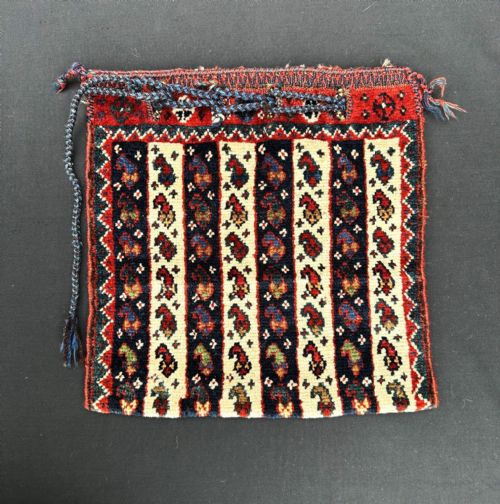
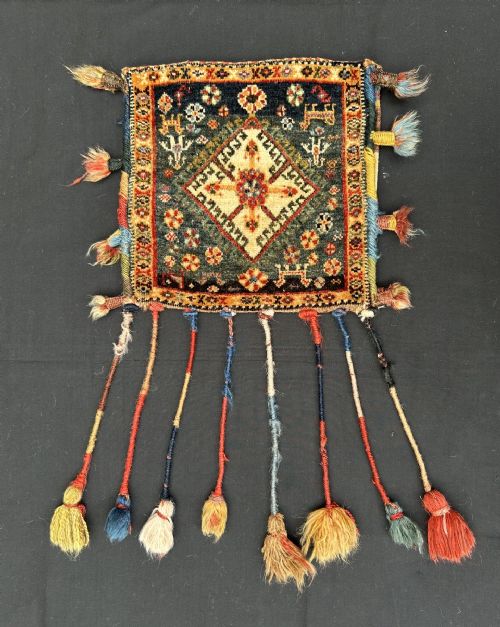
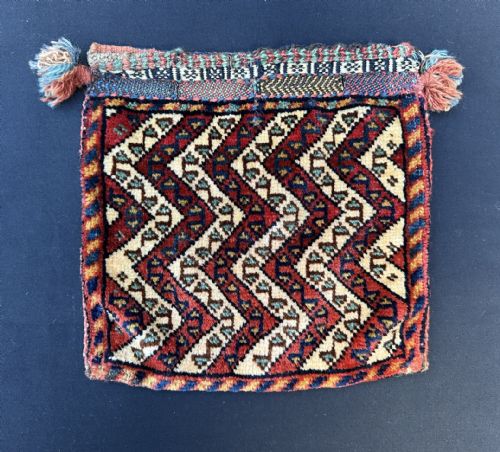
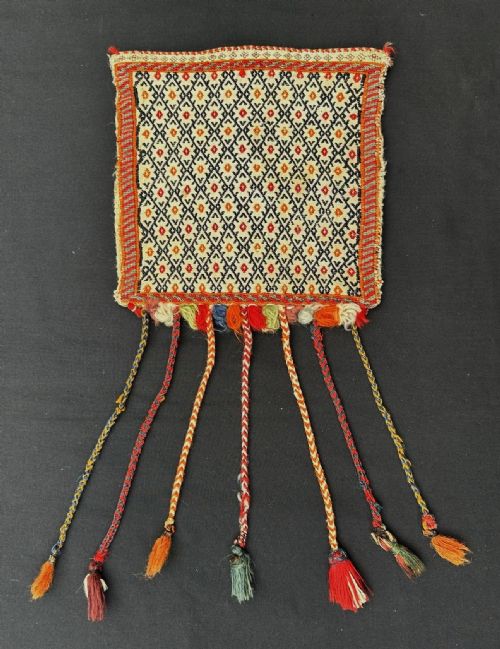
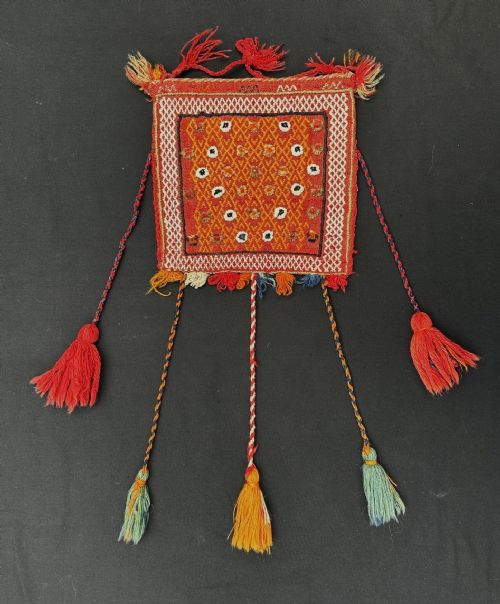
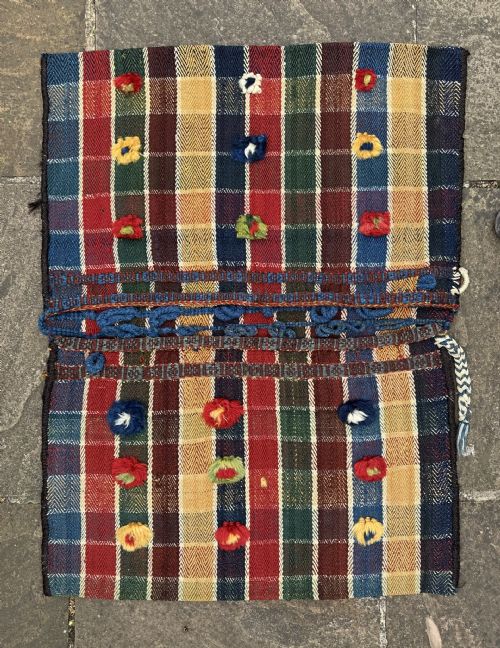
The selection ranges widely in form beyond standard floor coverings. Alongside traditional rugs and carpets, you find utilitarian items including vanity bags, salt bags, saddlebags, kilims, and horse blanket covers created for daily nomadic life.
Tribal identity defines these textiles, with specific sub-tribes and clans like the Kashkuli, Darrehshuri, and Baharlu imparting their own design vocabulary onto each piece. The resulting variety ensures that every surviving textile carries a distinct regional signature.
Materials and construction
Weavers constructed these pieces predominantly using hand-spun wool for the pile and foundation, often combined with cotton for structural stability. This local wool provides the resilience and warmth characteristic of authentic tribal weaving.
Colour derives from natural dyes applied to the fibres before knotting or flat-weaving. Supplementary elements incorporate leather and wood, particularly in functional bags and cradles designed for transport.
The combination of vegetable dyeing methods and hand-spun materials results in a living surface that patinates gracefully over decades of use.
Assessing quality and execution
Quality in a south west persia rug rests upon the fineness of the knotting and the tightness of the weave. Tighter structures allow intricate tribal motifs to render with exceptional clarity.
The depth and saturation of the natural dyes also separate standard examples from superior pieces. Complex abrash transitions and vibrant palettes indicate masterly dye preparation and execution by the weaver.
Structural integrity, including the survival of original borders and selvedges, determines the preservation standard of these historical textiles.
The South West Persia Rug Glossary
- Tayefeh
- A clan or sub-tribe within a larger nomadic confederacy. These groups often maintained distinct visual dialects in their weaving.
- Sofreh
- A flat-woven spread or cloth utilised for kneading bread or serving meals. They frequently feature minimalist geometric field designs.
- Abrash
- Variation of colour within a single field of tone caused by changes in dye batches or wool supplies. This characteristic adds visual depth to nomadic textiles.
- Kilim
- A flat-woven textile produced without a pile. These pieces rely on interlocking warp and weft threads to create sharp geometric patterns.
- Boteh
- A stylised floral or almond-shaped motif representing a sprouting seed or cypress tree. It appears frequently across Persian tribal weaving.
South West Persia Rug: Frequently Asked Questions
What is a south west persia rug?
A south west persia rug is a hand-knotted or flat-woven textile created by nomadic and village tribes residing in the Fars Province and surrounding regions. These groups include the Qashqa'i, Khamseh, and Afshar confederacies.
The pieces reflect the cultural symbols and environment of their makers, utilising geometric medallions, animal forms, and botanical motifs passed down through generations.
How do I identify a Qashqa'i piece?
Qashqa'i weaving is typically distinguished by diamond-shaped medallions, intricate bird or peacock motifs, and rich indigo or madder grounds. Sub-tribes like the Kashkuli often employed finer knotting.
Examination of the wool and the specific structural layout often reveals the hand of particular confederacy groups active in the Fars Province.
How were tribal bags used?
Tribal bags served essential practical purposes in nomadic encampments for storing salt, vanity items, water pipes, and personal belongings during seasonal migrations. They were loaded directly onto pack animals.
Today, these smaller textile fragments survive as highly collectible wall hangings or decorative objects due to their dense patterns and complete borders.
How should I care for an antique rug?
Protect antique wool textiles by placing them in areas away from direct, continuous sunlight to prevent natural dye fading. Regular gentle vacuuming without a rotating brush bar keeps the pile free of abrasive dust.
Allowing the textile to breathe and utilising a proper underlay preserves the structural integrity of the hand-spun foundation over time.