







South Persia Bag
These south persia bag examples are nomadic wool weavings crafted for practical utility, offering rich tribal patterns that elevate modern interiors.
South Persia Bag
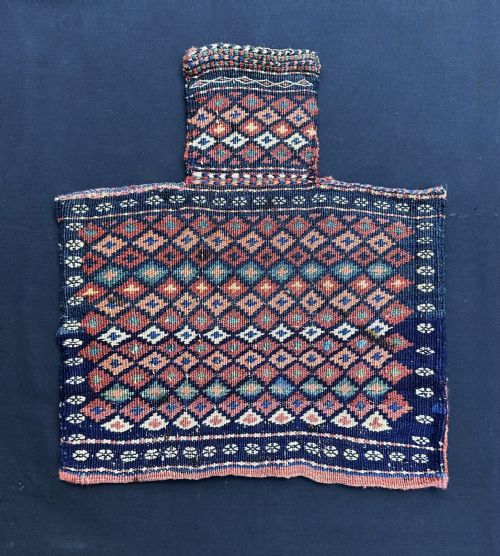
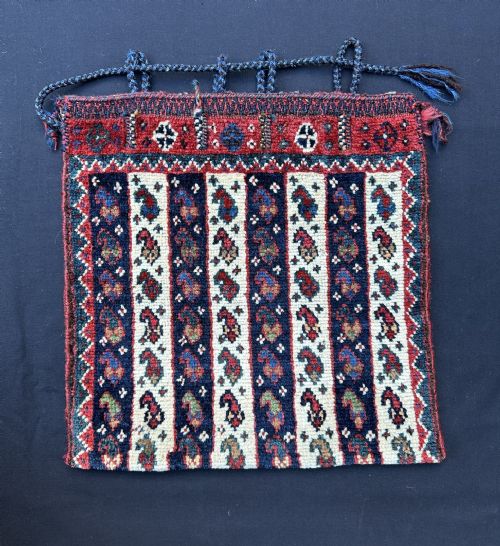
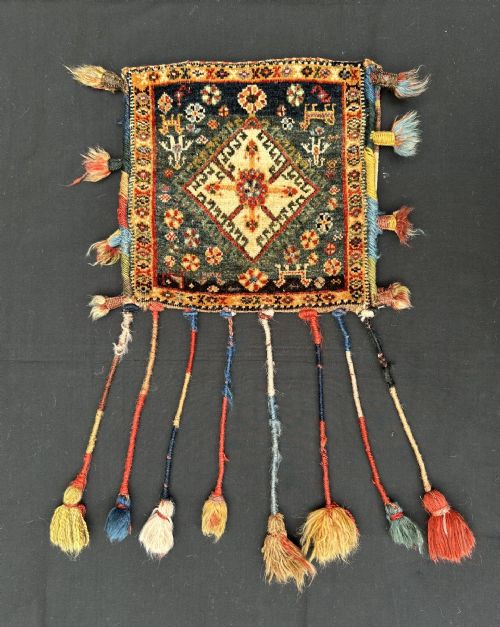
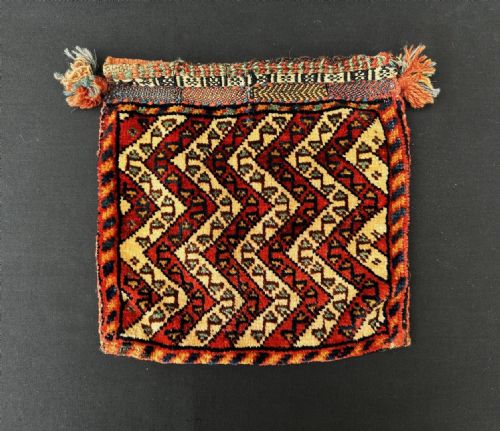
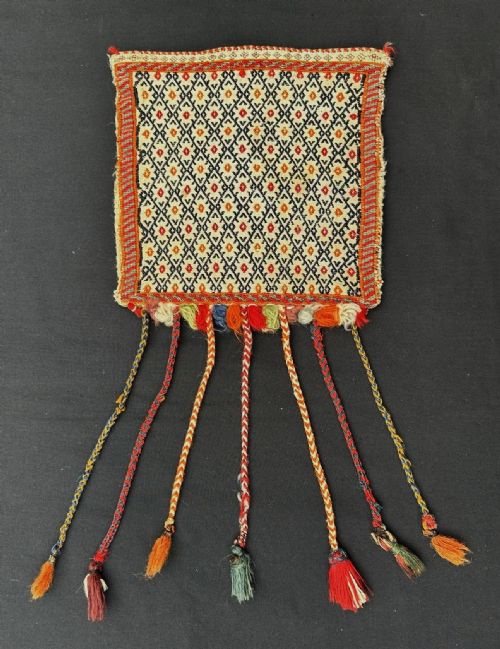
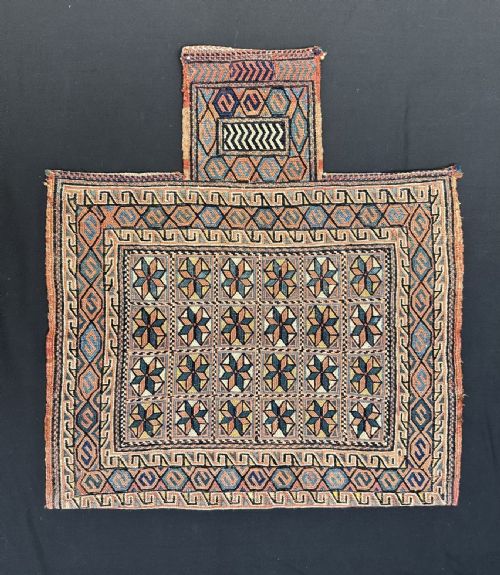
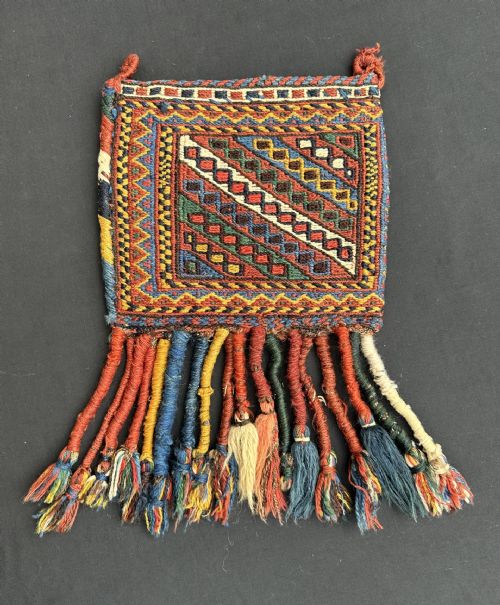
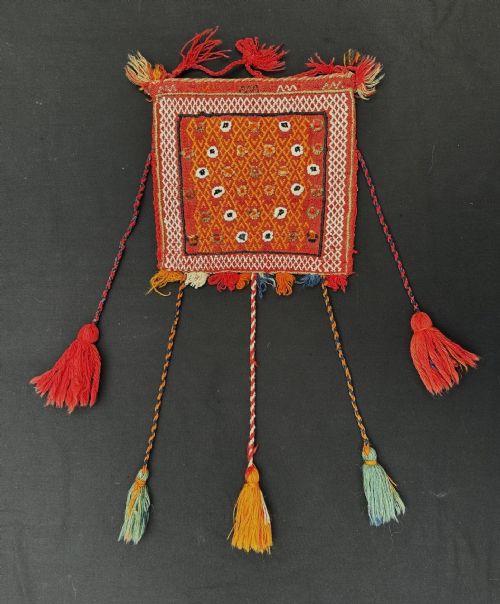
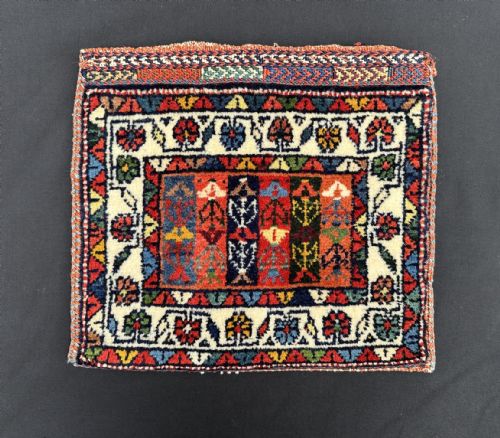
When you search for a south persia bag, you encounter authentic nomadic weavings created by tribes such as the Qashqai confederacy and the Afshar nomads. These pieces originate from regions including Fars province and Kerman province, dating from the mid-nineteenth century through the early twentieth century. The most common forms on this page are vanity bags, salt bags, and saddle-bag faces.
Tribal groups utilised these pouches for daily storage, transporting items like salt, spoons, or water-pipes across south-west Persia. Each object reflects the specific sub-tribe or tayefeh that wove it, carrying distinct regional motifs and structural formats. The selection here focuses entirely on genuine antique tribal textiles rather than modern reproductions.
Materials and construction
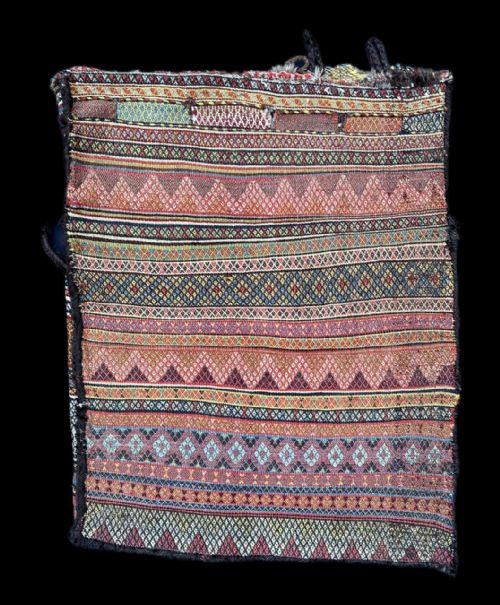
The makers relied on hand-spun wool and natural dyes to build the dense pile and flatweave foundations of every south persia bag. Cotton often appears in the structural warps and wefts, providing a stable grid for the intricate geometric and boteh patterns. Certain pieces incorporate cowrie shells for ornamentation, adding texture and cultural significance to the textile surface.
Nomadic weavers constructed these items on portable horizontal looms set up in camps across the mountains and valleys. Vegetable and insect dyes produced the deep reds, blues, and earthy tones that define the palette of these tribal bags and storage pouches.
South Persia Bag Retail Price Guide 2026
Typical asking prices for south persia bag among the pieces listed under this phrase on Sellingantiques today, from the lower quarter to the upper quarter. They describe what is for sale here now, not the wider market.
Listings feature wool, natural dyes, and cotton across Persian tribal and Qashqai tribal styles dating from 1860 to 1920.
Judging quality and character
Quality in a south persia bag rests upon the tightness of the weave, the clarity of the tribal design, and the brilliance of the natural dyes. Superior examples display precise knotting and balanced symmetry within their field patterns, demonstrating exceptional skill by the weaver.
The integrity of the wool and the survival of original side cords and finishing details elevate certain pieces above others. Greater depth of colour and well-preserved structural integrity indicate a finer nomadic weaving.
The South Persia Bag Glossary
- Tayefeh
- A sub-tribe or clan within a larger tribal confederacy such as the Qashqai. These groups maintained distinct weaving traditions and design repertoires.
- Boteh
- A stylised floral motif resembling a almond or bent pear shape, frequently repeated across tribal bag faces. This ancient Persian symbol represents life and eternity.
- Flatweave
- A textile constructed without pile by interlocking warp and weft threads together. Many utilitarian bags incorporate flatweave backs or borders.
- Warps
- The stationary vertical threads stretched onto a loom before weaving begins. In these textiles, warps are typically spun from wool or cotton.
South Persia Bag: Frequently Asked Questions
What were south persia bags used for?
Nomadic tribes used these textiles for daily storage and transport during seasonal migrations. Specific pouches held salt, spoons, vanity items, or water-pipes.
Larger formats functioned as saddle-bags carried by pack animals, designed to withstand rigorous daily handling while organising household goods.
How do I date a south persia bag?
Dating relies on examining the wool quality, dye palette, and structural characteristics typical of nineteenth and early twentieth-century production. Natural dyes and hand-spun materials point to eras before synthetic colours became widespread.
Attributions to specific sub-tribes or regions also help narrow the timeframe, as weaving centres shifted over the decades.
How should I display a south persia bag at home?
Many collectors mount these textile bags flat on walls to showcase their intricate geometric patterns and natural dye variations as art. Others display smaller salt bags or vanity pouches on tables or shelves.
Keeping them away from direct sunlight preserves the rich wool colours and prevents natural fibres from drying out.
How do I care for antique tribal wool?
Gentle vacuuming with low suction across a mesh screen removes dust without damaging the fragile hand-spun pile or old foundations. Professional textile conservators should handle any significant cleaning or structural repairs.
Allowing the wool to breathe and avoiding damp environments protects the integrity of the natural materials.