


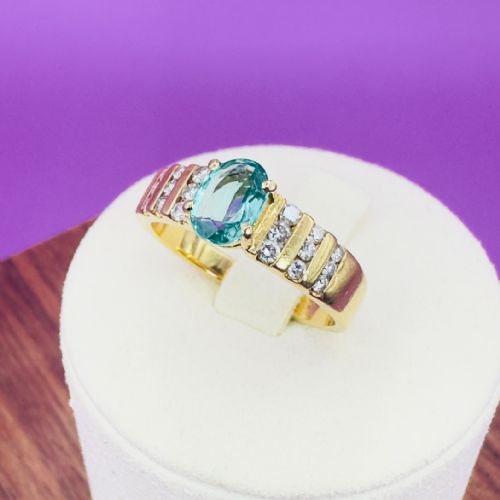
Solitaire Diamond Band Ring
A solitaire diamond band ring brings together classic stones and precious metals from Edwardian, Art Deco and mid-century periods.
Solitaire Diamond Band Ring
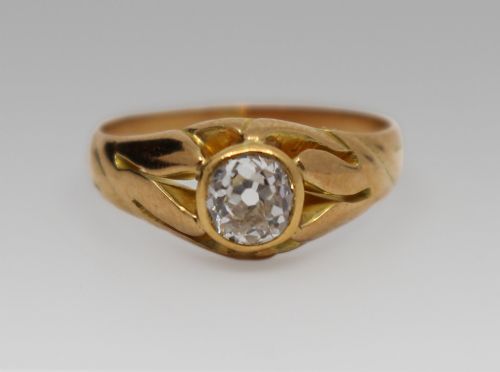
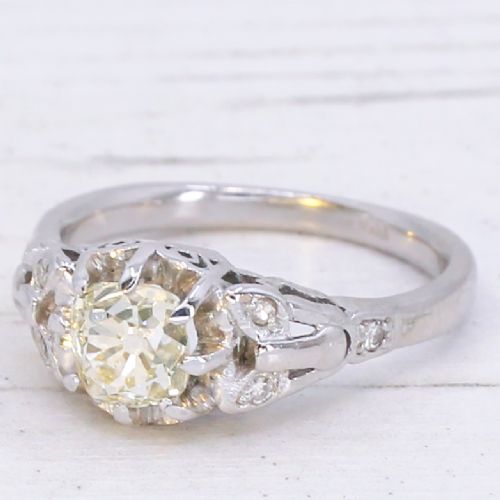
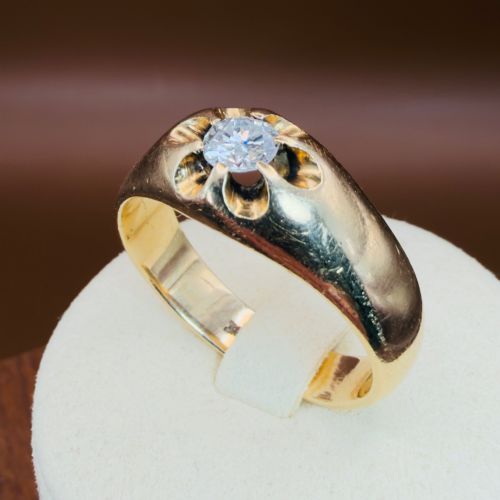
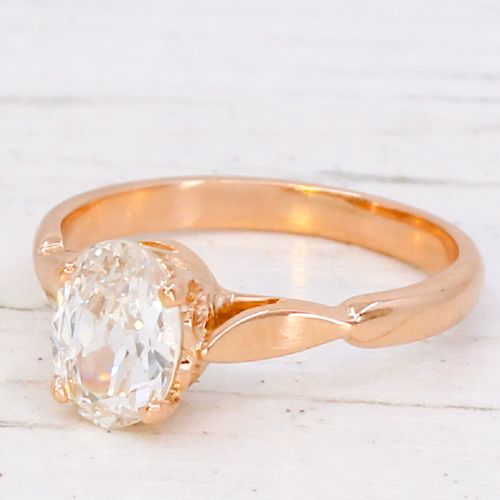
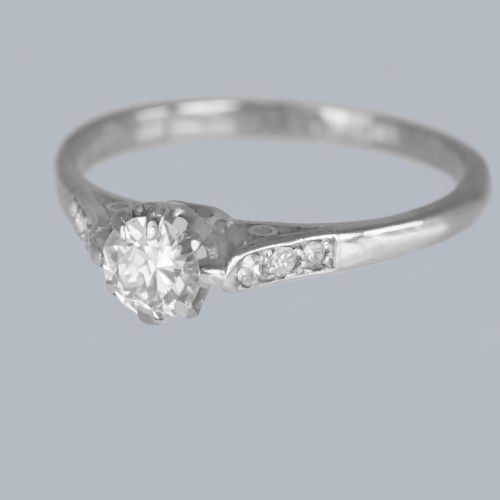
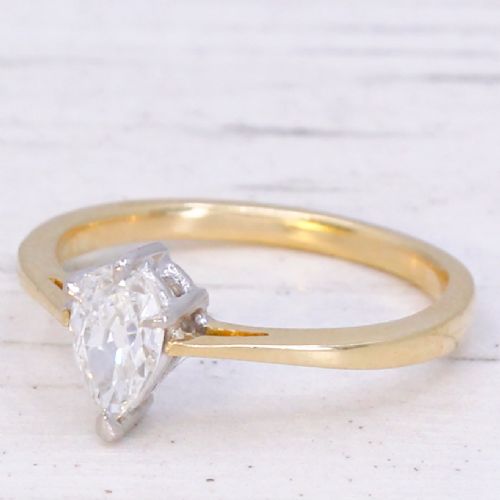
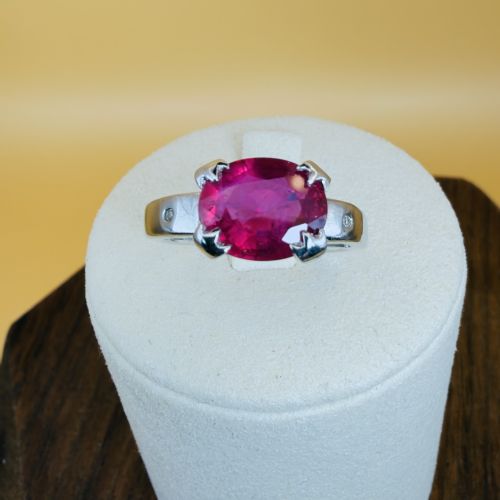
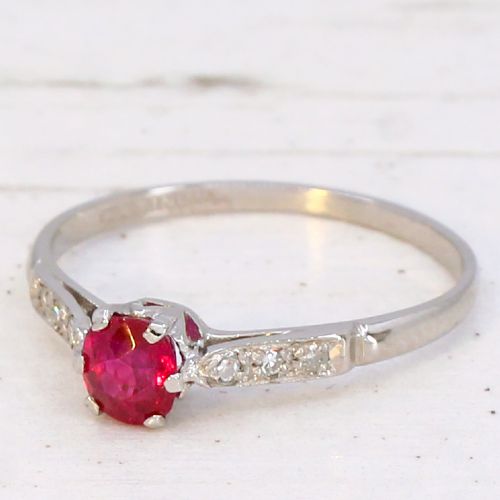
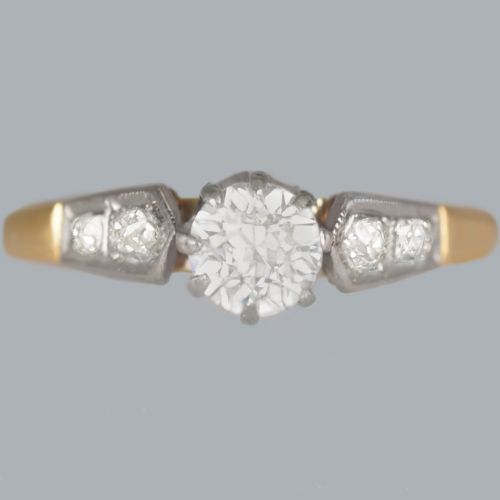
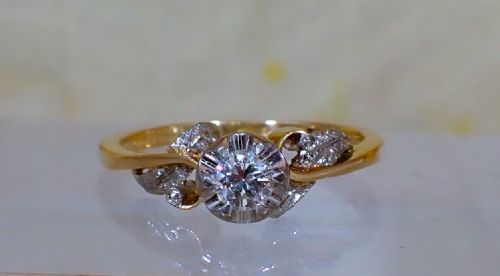
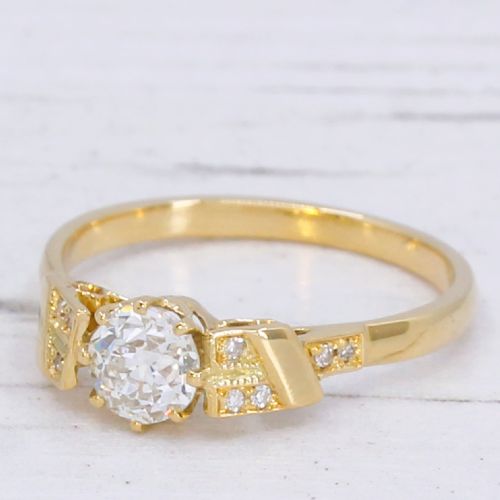
A solitaire diamond band ring centres on a single prominent stone mounted on a precious metal band. The selection includes engagement rings and fine jewellery spanning the Victorian, Edwardian, Art Deco, and mid-century periods. Buyers searching for a solitaire diamond band ring encounter various diamond cuts, from traditional old cuts to brilliant cuts.
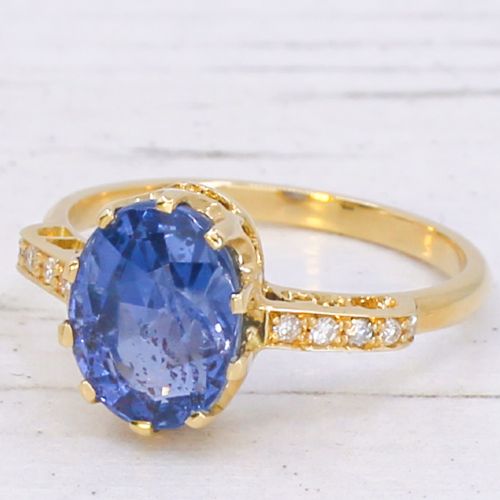
Designs on this page feature platinum, yellow gold, white gold, and rose gold bands. Some examples incorporate shoulder stones or subtle engravings, while others rely entirely on the clean lines of the central gem. Pieces range from delicate Edwardian work to bolder mid-century forms.
How they were made
Goldsmiths utilised platinum and various gold purities, including 9ct, 15ct, 18ct, and 14K white gold, to form durable settings for daily wear. Platinum gained popularity during the Edwardian and Art Deco eras for its strength, allowing intricate wirework and secure prong settings. Gold fabrication involved casting and hand-finishing, often combining yellow gold shanks with platinum heads to enhance the brilliance of white diamonds.
Cutters shaped stones by hand during earlier periods, resulting in old European, old mine, pear, and transitional cuts with distinct facet patterns. Later pieces incorporate modern brilliant cuts designed to maximise light return. Gemstones are secured using claw, bezel, or flush settings tailored to the shape and size of each individual diamond or coloured stone.
What varies in quality
Quality in a solitaire diamond band ring depends heavily on the precision of the gemstone cut and the integrity of the metal setting. Stones possessing superior clarity and colour grades catch the light differently compared to heavily included or tinted examples. Hand-cut stones from earlier periods display individual character, whereas uniform modern cuts prioritise geometric symmetry.
The craftsmanship of the band and prongs dictates longevity. Heavier gauge metalwork and robust claw structures resist wear over decades of use, while finer, delicate galleries require careful handling. The harmony between the central stone proportion and the band width defines the visual balance of the finished piece.
The Solitaire Diamond Band Ring Glossary
- Old European cut
- A vintage round diamond cut characterised by a small table, high crown, and open culet, popular in the late nineteenth and early twentieth centuries. This cut produces a distinctive chunky facet pattern.
- Old mine cut
- An early cushion-shaped diamond cut featuring a rounded square girdle and high crown, typical of antique jewellery. These stones were shaped by hand under candlelight.
- Transitional cut
- A diamond cut used during the mid-twentieth century that bridges the older European cut and the modern brilliant cut. It shares traits of both styles.
- Platinum
- A dense, durable, and naturally white precious metal favoured in Edwardian and Art Deco jewellery for securing diamonds securely. It permits slender yet strong settings.
- Solitaire
- A jewellery setting featuring a single central gemstone, most commonly a diamond. This design highlights the qualities of the main stone without distraction.
Solitaire Diamond Band Ring: Frequently Asked Questions
How do I identify an Edwardian ring?
Edwardian rings often combine platinum and yellow gold with intricate openwork metal designs. They frequently showcase old-cut diamonds in delicate settings.
These pieces typically date from the early twentieth century, reflecting lighter, garland-style motifs influenced by the Edwardian era.
Are old cut diamonds different?
Old cut diamonds are shaped by hand rather than by modern machinery. They possess smaller tables and larger facets that create a softer glow.
This historic cutting style gives antique rings a distinct character compared to contemporary brilliant-cut stones.
Can these rings be resized?
Most gold and platinum bands can be altered by a skilled jeweller. The feasibility depends on the shank thickness and the presence of shoulder stones.
Intricate gallery work or full eternity shoulder settings require careful assessment before any adjustment takes place.