

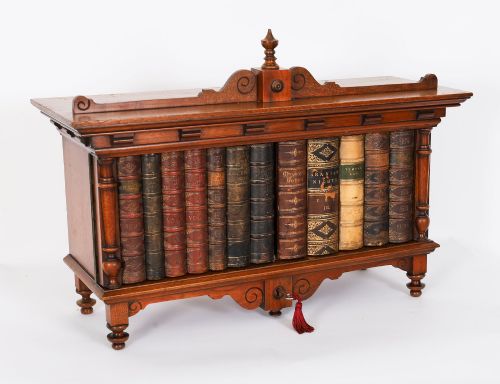


Solid Walnut Table
A solid walnut table brings deep, tactile grain and enduring joinery to any room, spanning centuries of British, French, Spanish, and Italian design.
Solid Walnut Table
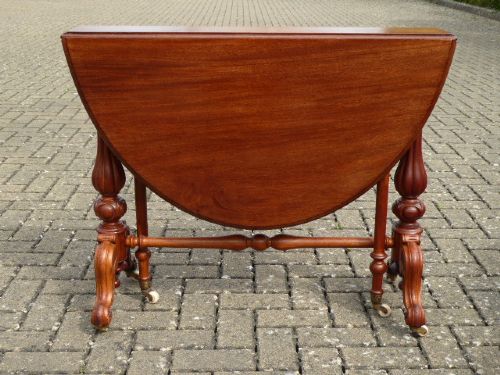
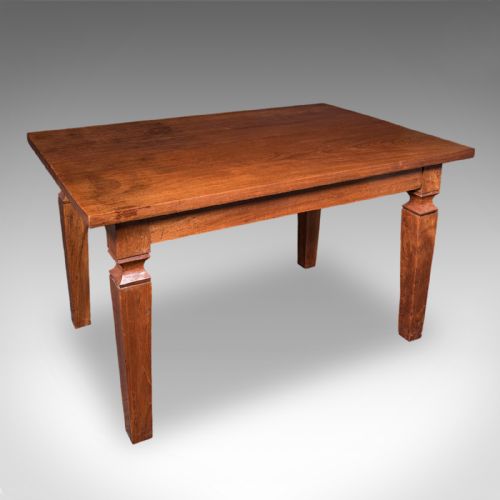
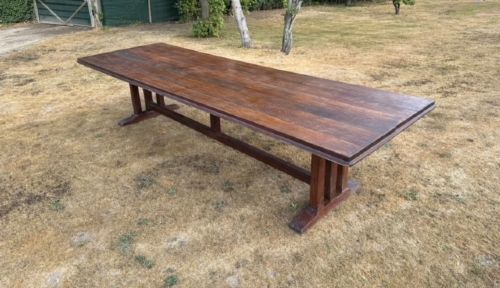
A solid walnut table encompasses a diverse range of forms, from expansive 18th-century dining refectories and drop-leaf formats to Victorian library tables and compact Edwardian side tables. Buyers seeking this phrase encounter heavy timber constructions built to anchor domestic spaces with natural warmth and structural integrity.
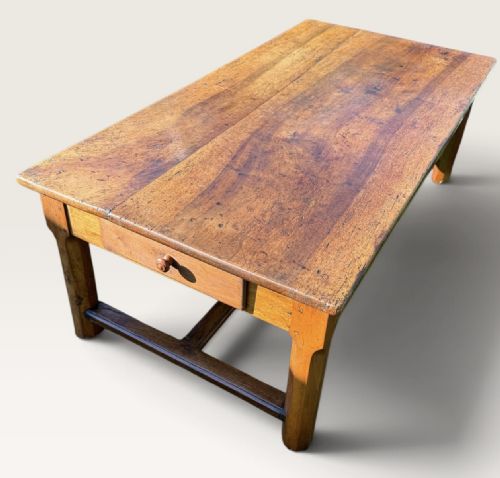
The material appears across distinct regional traditions, including provincial French and Spanish trestle designs alongside refined Georgian lowboys and Queen Anne iterations. These pieces rely on dense heartwood rather than veneers, displaying the characteristic rich figure and deep colour native to the timber.
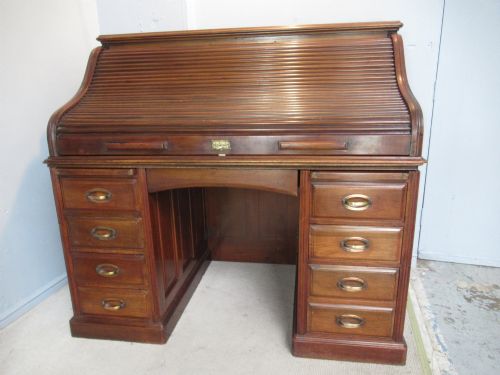
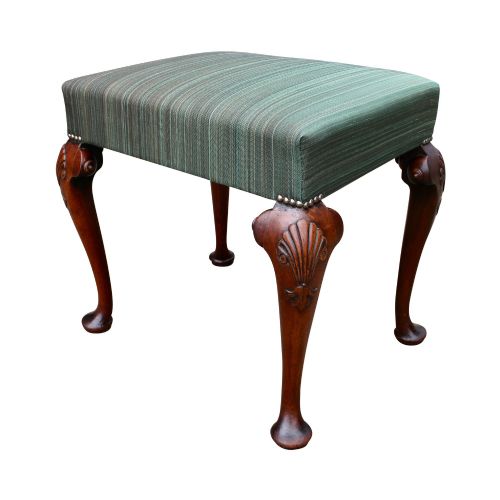
Surviving examples span centuries of domestic use, showing how makers shaped the heavy grain into practical surfaces for dining, writing, and display. The selection here reflects both humble vernacular forms and grander Italian or Victorian reception pieces.
How they were made
Cabinet makers utilised dense walnut timber alongside traditional joinery techniques, securing heavy planks with mortise and tenon joints or internal butterfly keys. Tables frequently incorporated auxiliary materials like brass tacks, wrought iron braces, and leather inserts for writing surfaces.
Surfaces were finished to highlight the natural figure of the wood, often developing a soft, faded patina through centuries of waxing and handling. Earlier pieces relied on solid one-piece tops or robust drop-leaf mechanisms supported by gateleg framing.
Solid Walnut Table Retail Price Guide 2026
Typical asking prices for solid walnut table among the pieces listed under this phrase on Sellingantiques today, from the lower quarter to the upper quarter. They describe what is for sale here now, not the wider market.
Listings feature solid walnut tables spanning from the 17th century through the Edwardian period, incorporating brass, iron, and leather.
What varies in quality
Quality rests in the selection of the timber grain, the weight of the solid planks, and the integrity of the original construction. Pieces featuring highly figured walnut or substantial single-board tops sit at the upper end of the scale.
The finesse of the carved details, the restraint of the proportions, and the survival of an authentic, undisturbed patina distinguish exceptional craftsmanship from standard workshop production.
Shoolbred·Maple and Co·Cottier and Co·Gibbard Furniture·Heals
The Solid Walnut Table Glossary
- Patina
- The surface sheen and colour acquired through decades of gentle wear and polishing. This distinguishes genuine age from modern finishing.
- Refectory table
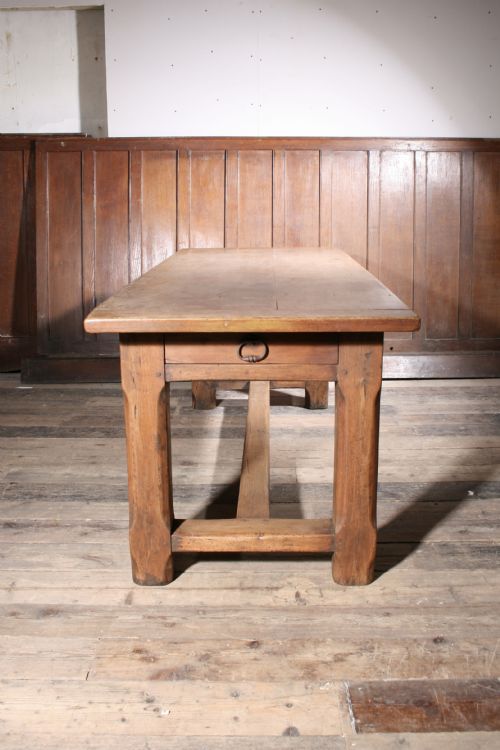
- A long, narrow dining table originally designed for communal dining halls. They feature sturdy legs connected by low stretchers for stability.
- Drop-leaf
- A table design featuring hinged flaps on either side that fold down to save space. Brackets or swing legs support the leaves when raised.
- Lowboy
- A small eighteenth-century dressing or side table with a low drawer arrangement. They typically stand on cabriole or straight tapering legs.
- Gateleg table
- A table with hinged leaves supported by swing-out legs that resemble a swinging gate. This allows the surface area to expand or contract.
Solid Walnut Table: Frequently Asked Questions
How do I clean solid walnut?
Dust regularly with a dry, soft cloth to prevent particulate build-up on the polished surface.
Apply a traditional beeswax occasionally to nourish the timber and maintain its natural depth without using silicone sprays.
Can I use a solid walnut dining table daily?
Solid walnut provides exceptional durability and structural strength suitable for everyday family use.
Protect the surface from heat and moisture by using mats, allowing the timber to age gracefully under normal conditions.
How do I identify an 18th-century table?
Examine the underside and joints for hand-cut joinery, pegged tenons, and timber shrinkage appropriate to age.
Earlier pieces often display thick single-board tops and heavy patination rather than modern mechanical fastenings.
Why does walnut furniture develop patina?
Exposure to light, natural oils from hands, and years of polishing slowly alter the tone of the wood.
This gradual process deepens the colour and softens the edges, creating a distinct visual character unique to older timber.