


Solid Silver Tea Shovel
A solid silver tea shovel offers a tactile piece of Georgian and Victorian heritage, prized by collectors for transferring loose leaves from caddy to pot.
Solid Silver Tea Shovel
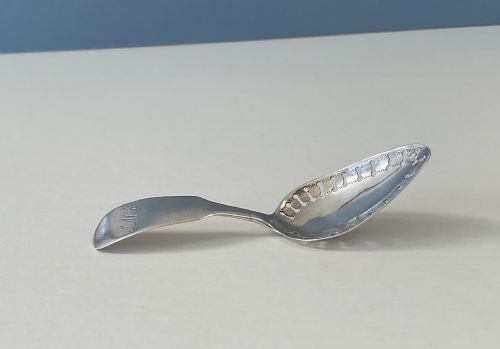
A solid silver tea shovel is a specialised small implement designed for measuring loose tea leaves in domestic settings. The pieces found on this page span the Georgian, Victorian, and 1940 periods, reflecting changing social rituals around tea consumption over centuries.
Most examples take the form of miniature shovels or caddy spoons, often associated with London assay offices alongside Scottish provincial origins. Makers utilised sterling silver and silver-gilt to fashion these functional items into varied decorative shapes, including novelty designs from the mid-twentieth century.
Collectors encounter distinct stylistic shifts between eras, moving from the restrained lines of late eighteenth-century items to the ornate elaboration of Victorian silverware. These items served a daily domestic purpose in elite and middle-class households alike.
How they were made
Silversmiths shaped these items using sterling silver, employing techniques such as hammering, pressing, and hand-engraving to achieve the characteristic shovel bowl and handle. Silver-gilt was also utilised to provide a rich, gold-coloured surface finish that resisted staining from tannin.
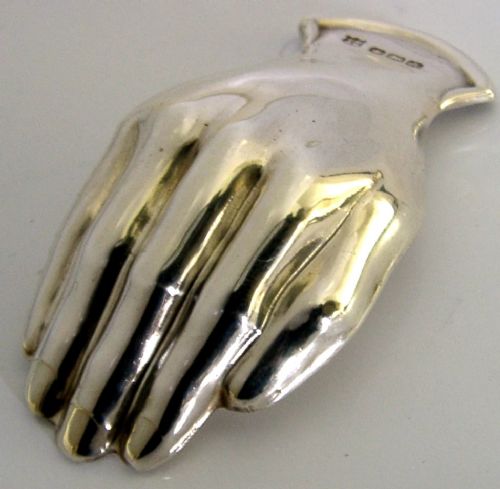
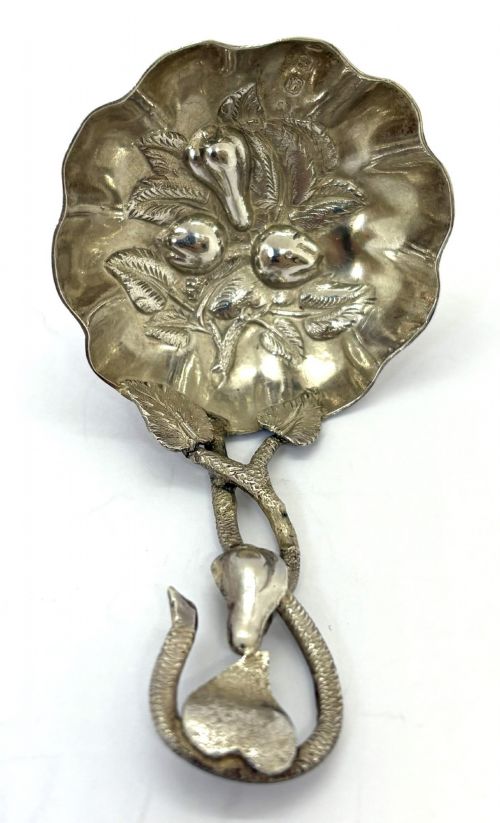
Makers stamped each piece with hallmarks to denote metal purity, origin city, and date of manufacture, providing a reliable record of their creation. Handle construction varied from plain stems to intricate novelty forms shaped like human hands or botanical motifs.
Listings feature sterling silver and silver-gilt materials across Georgian, Victorian, and twentieth-century periods.
What varies in quality
The distinction between standard items and superior examples rests on the crispness of the hallmarks, the depth of the engraving, and the preservation of the original surface finish. Pieces by recognised makers such as George Unite or Mappin & Webb often demonstrate finer attention to detail in their construction.
Proportion and weight also dictate the caliber of a piece, with well-balanced spoons offering a satisfying heft in the hand. The integrity of any gilt wash and the absence of excessive wear on the bowl edges further distinguish finer specimens.
Mappin & Webb·George Unite·George Wintle
The Solid Silver Tea Shovel Glossary
- Sterling Silver
- An alloy of silver containing 92.5% by mass of silver and 7.5% by mass of other metals, usually copper. This standard composition has been the legal benchmark for British silverware for centuries.
- Silver-Gilt
- Silver that has been plated with a thin layer of gold on its surface. This treatment protects the underlying metal from tarnishing when exposed to moisture and dry tea leaves.
- Hallmark
- A official stamp applied by an assay office certifying the purity of precious metal items. These marks typically include symbols for the maker, the metal standard, the assay town, and the year of testing.
- Caddy Spoon
- A short-handled spoon specifically designed to scoop tea from a caddy into a teapot. They were produced in vast quantities during the Georgian and Victorian periods in numerous whimsical shapes.
- Scottish Provincial
- Silverware manufactured and assayed outside the major official offices of London, Edinburgh, Dublin, or Birmingham. Items originating from these regional centres often feature unique maker marks and distinct local styles.
Solid Silver Tea Shovel: Frequently Asked Questions
How were caddy spoons used?
These spoons sat alongside tea caddies on the dining table or sideboard during tea service. The host used the small shovel bowl to measure out precise portions of loose leaves.
Their short handles ensured they fit neatly inside or on top of various tea storage vessels. Over time, the form evolved from simple utilitarian scoops into ornate decorative objects.
How do I identify a Georgian piece?
Georgian pieces are identified primarily through official hallmarks stamped onto the silver, which record the assay office and date letter. Stylistically, they often feature simpler lines, bright-cut engraving, or plain shovel bowls.
Comparing the maker's mark against historical records confirms the exact decade of manufacture. London hallmarks from this period are particularly common among surviving examples.
Can I use these spoons today?
These items remain robust enough to function for measuring loose tea leaves in a modern kitchen. Their solid silver construction handles daily use without difficulty, provided they receive gentle manual washing.
Many collectors prefer to display them as part of a silver collection rather than subjecting antique metal to daily wear. Proper care preserves the historical hallmarks and any original surface gilding.