

Solid Oak Wooden Chest
A solid oak wooden chest brings heavy timber and centuries of utilitarian storage straight into a modern room.
Solid Oak Wooden Chest
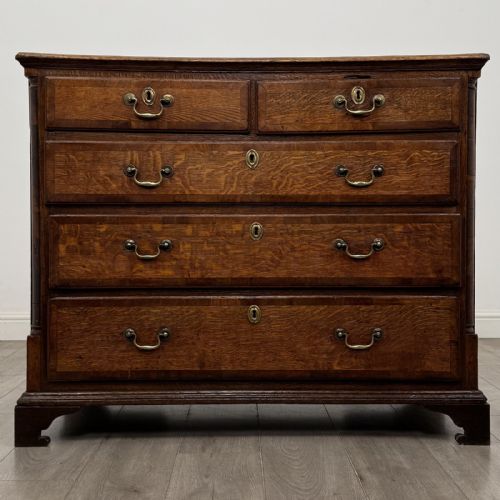
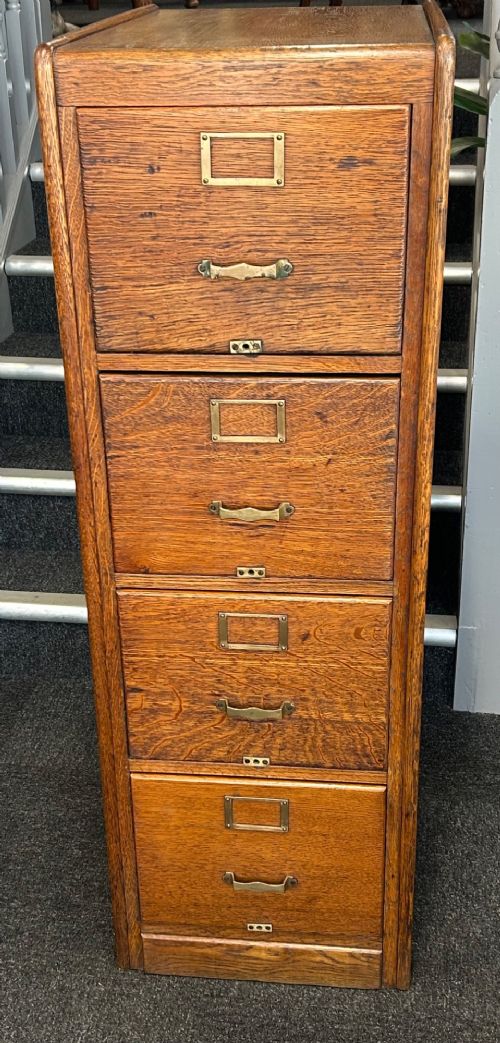
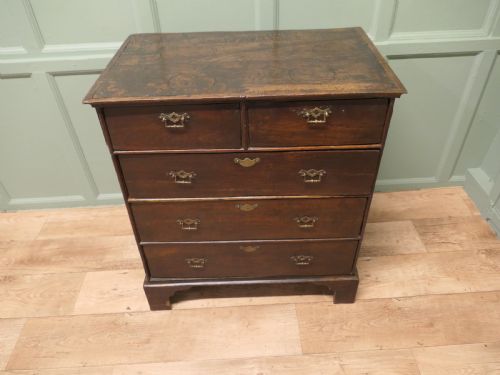
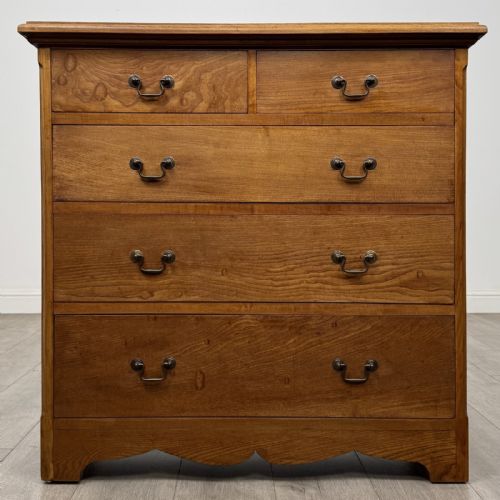
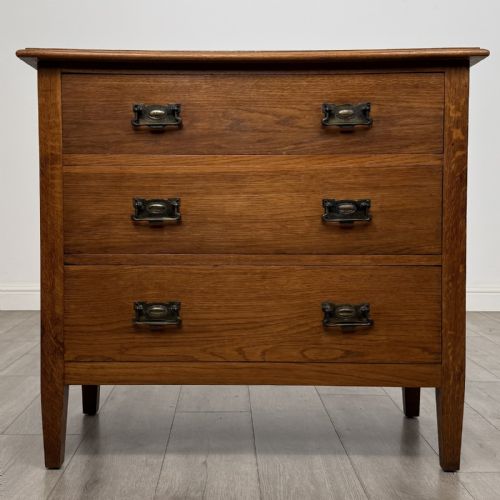
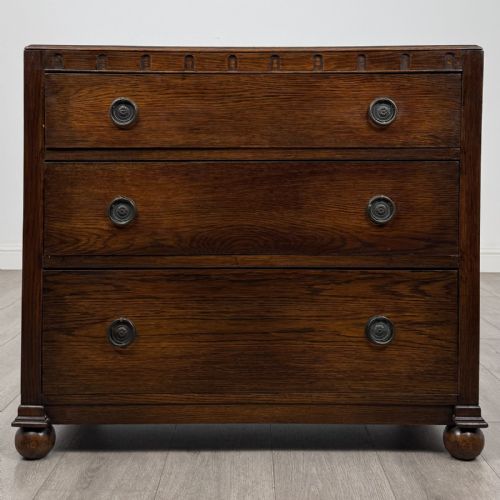
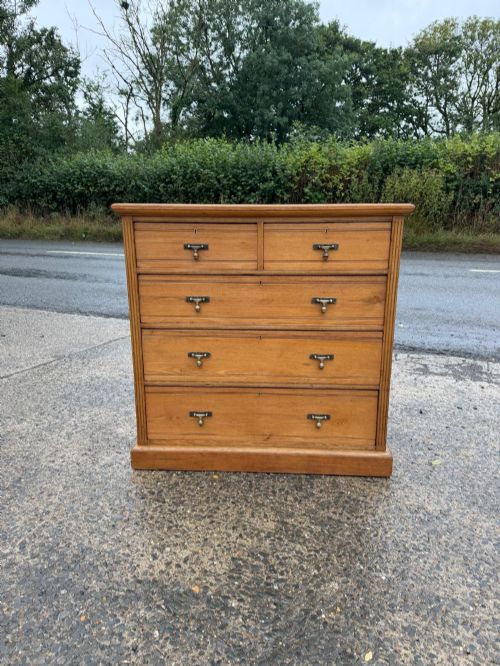
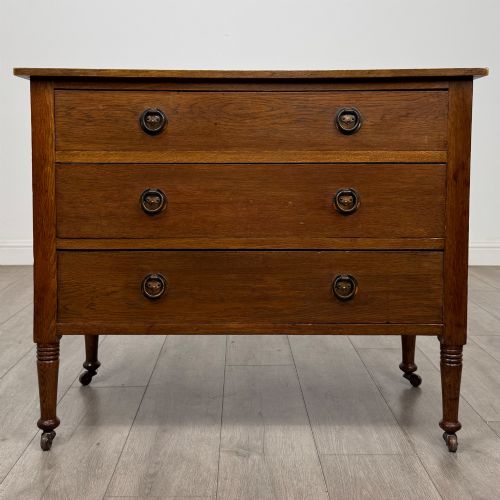
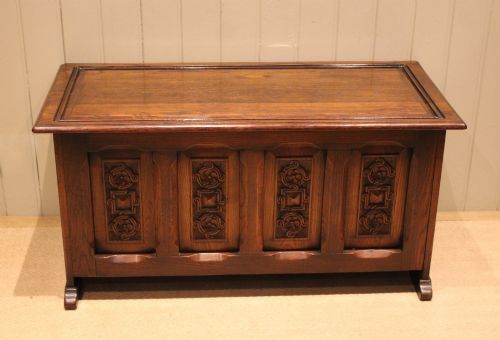
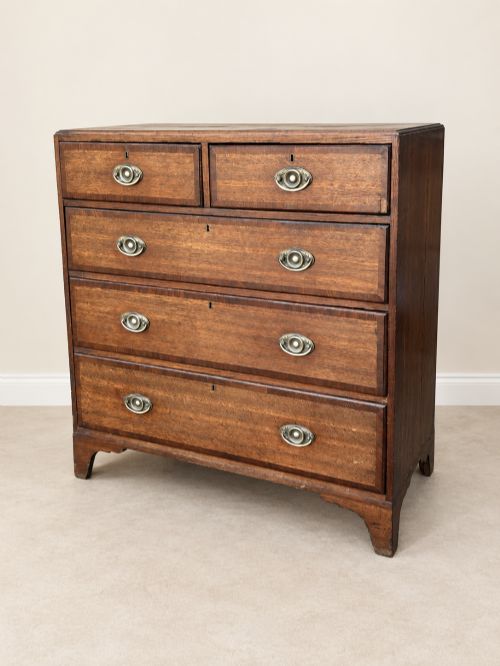
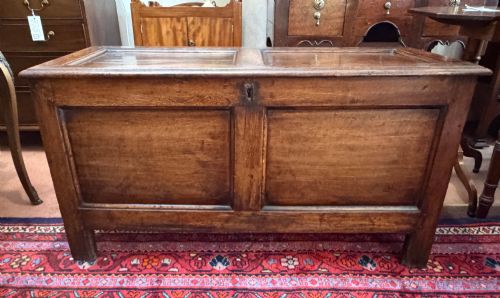
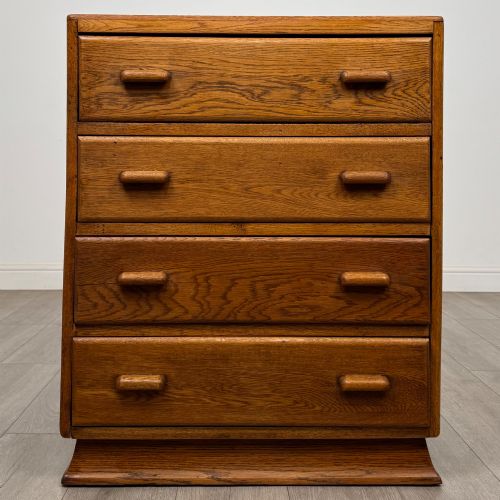
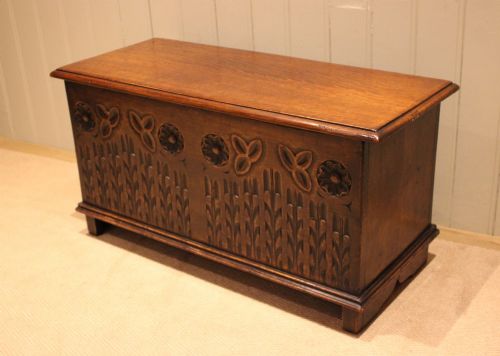
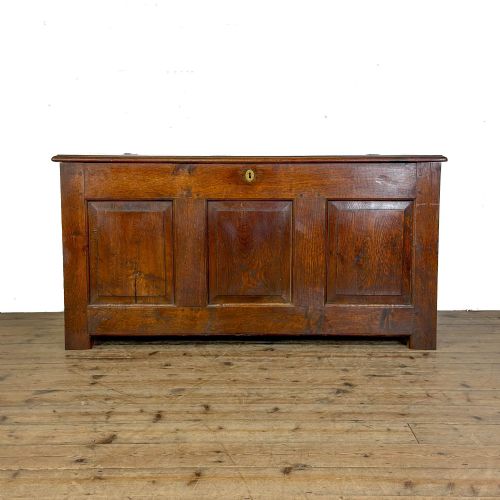
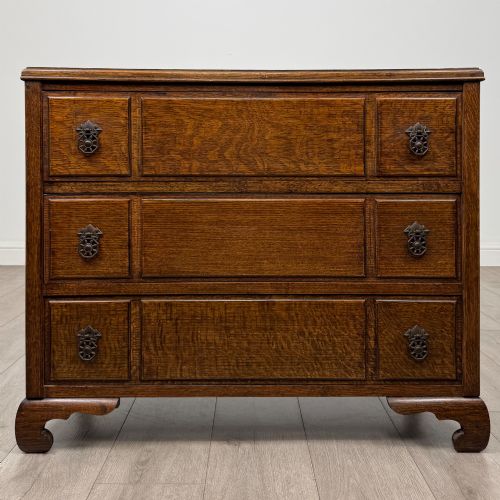
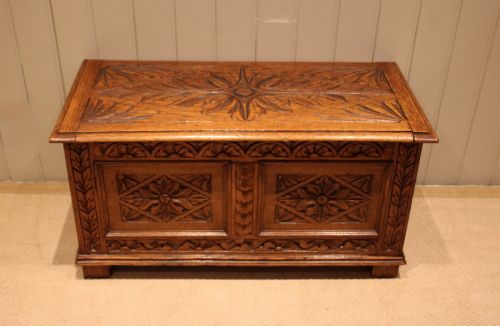
When you search for a solid oak wooden chest, you encounter a range of heavy storage furniture spanning the seventeenth century up to the nineteen-thirties. The pieces appearing here divide into two main forms: deep coffers used originally for blankets or valuables, and multi-drawer chests built for clothing.
The most common examples you meet on this page date from the Edwardian era, the Georgian period, and the seventeenth century. These items range from simple panelled storage boxes to tall chests of drawers and Arts and Crafts cabinets.
Origins stretch from early vernacular English pieces to later twentieth-century interpretations. Each example relies on heavy timber construction designed to withstand generations of domestic use.
What varies in quality
Quality rests heavily on the depth of the carving, the crispness of the mouldings, and the integrity of the original timber. Pieces featuring hand-carved panels or integrated metalwork display a higher level of craftsmanship than plain utility boxes.
The presence of period-correct brass handles, hinges, and original locking mechanisms separates standard vernacular items from more prestigious workshop productions. Overall proportions and untouched surface patination determine the standing of each individual piece.
Solid Oak Wooden Chest Retail Price Guide 2026
Typical asking prices for solid oak wooden chest among the pieces listed under this phrase on Sellingantiques today, from the lower quarter to the upper quarter. They describe what is for sale here now, not the wider market.
Materials recorded across the inventory include solid oak, brass, iron, wrought iron, glass, and steel.
Heals·Jack Grimble
The Solid Oak Wooden Chest Glossary
- Cofer
- A large wooden chest traditionally used for storing valuables or household goods. Early versions feature heavy panelled construction and hinged lids.
- Tallboy
- A tall chest of drawers formed by stacking one cabinet section on top of another. This form maximises vertical storage space in domestic chambers.
- Dovetail
- A joint formed by interlocking wedge-shaped fingers of wood. This technique secures drawer corners without reliance on metal fasteners.
- Limed oak
- Timber treated with a specialised finish that leaves a white pigment in the open grain. This decorative method gained popularity during the Arts and Crafts movement.
- Panelled
- Construction method where flat boards fit within a grooved wooden frame. This design allows the solid wood to expand and contract with seasonal humidity changes without splitting.
Solid Oak Wooden Chest: Frequently Asked Questions
How do I date an old oak chest?
Dating relies on observing construction methods, hardware types, and stylistic details present in the woodwork. Hand-cut joinery and pegged frames typically indicate earlier centuries.
Later Edwardian and twentieth-century examples display more uniform machining and standardised drawer construction. Comparing the surface patination and timber ageing helps confirm the era.
What is the difference between a coffer and a chest?
A coffer traditionally refers to a heavy storage box with a hinged lid, often reinforced with metal straps. These pieces served as secure containers for documents and textiles.
Chest of drawers incorporate multiple sliding compartments accessed from the front rather than a top-opening lid. Both forms utilise solid oak timber for structural durability.
How should I care for solid oak furniture?
Solid oak requires consistent indoor humidity levels to prevent the heavy timber from warping or splitting over time. Regular application of quality beeswax maintains the lustre of the polished surface.
Keep wooden chests away from direct heat sources and strong sunlight to preserve the natural colour. Gentle dusting with a dry cloth prevents dirt accumulation in carved recesses.
Were these chests used for clothes storage?
Early coffers and blanket chests provided primary storage for garments, linens, and personal valuables before fitted wardrobes became common. Trunks also held travelling attire for extended journeys.
Drawer chests later replaced top-opening boxes to allow easier daily access to folded clothing. Interiors frequently remained unlined to let the oak breathe.