


Solid Oak Wooden Bureau
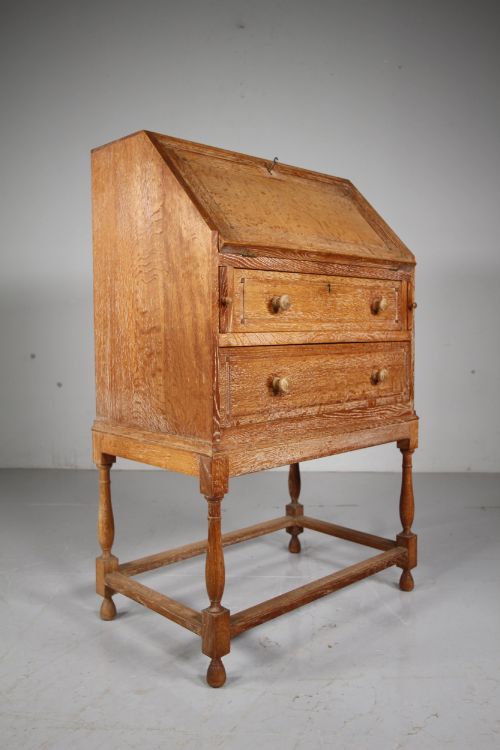
A solid oak wooden bureau brings heavy timber and a fitted writing slope into a room, offering practical storage alongside a workspace.
Solid Oak Wooden Bureau
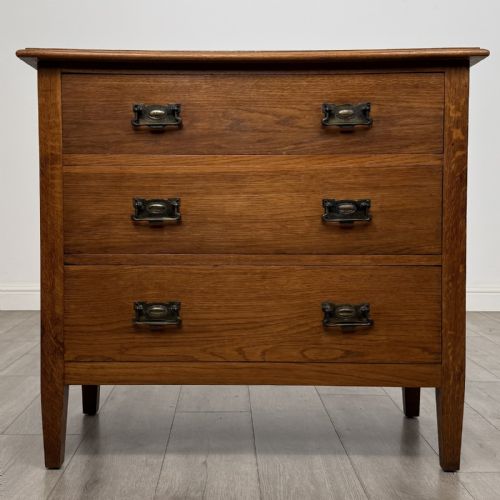
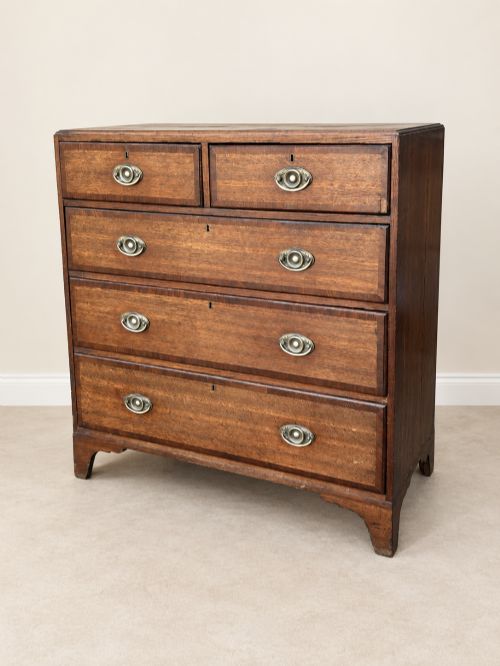
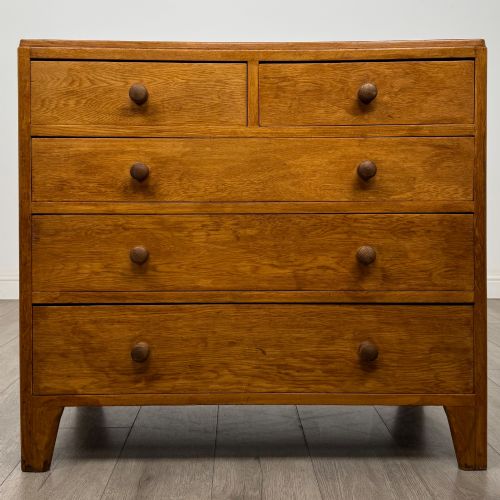
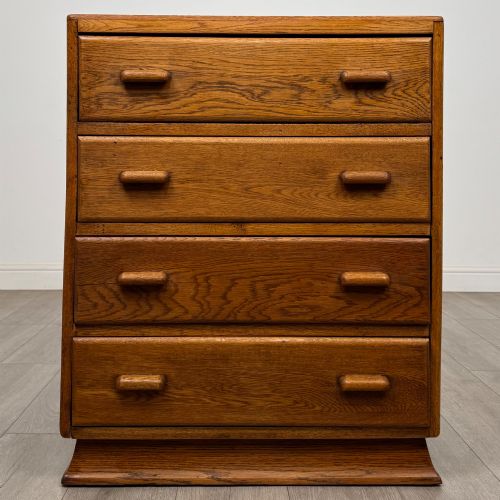
When buyers search for a solid oak wooden bureau, they encounter a selection spanning the 18th century through to the 1930s. The listings show a strong presence of Edwardian and Georgian pieces, alongside labelled examples from makers such as Heals of London and Bryn Mawr.
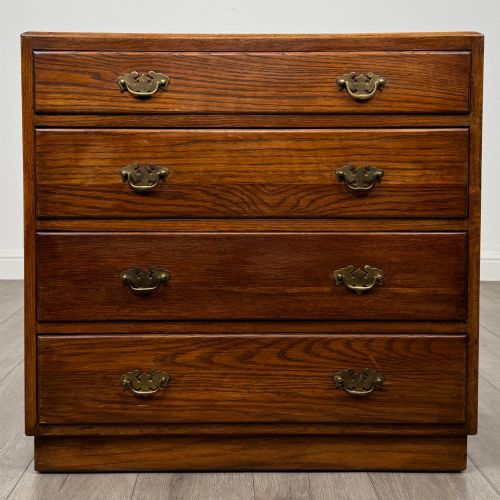
Forms vary significantly across the centuries, shifting from simple chest-of-drawers configurations to elaborate roll-top desks and pedestal desks featuring tambour tops. Many pieces incorporate brass hardware, raised galleries, or leather writing surfaces.
The materials and styles reflect both traditional craftsmanship and later revival movements, including Chippendale Revival, Arts and Crafts, and Art Deco influences. Buyers are most likely to meet Edwardian and early 20th-century desks and chests constructed entirely from oak.
Materials and construction methods
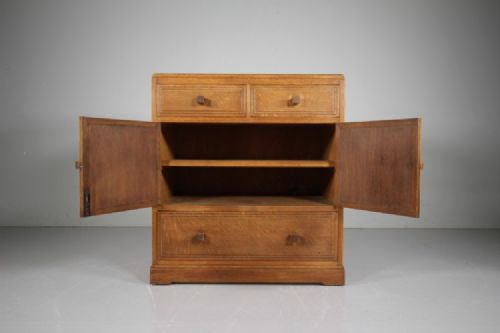
Construction relies heavily on solid oak, utilising panels and sturdy joints to support heavy daily use as writing desks and storage units. Timber selection ranges from golden oak to darker Welsh oak, showing varied grain patterns across the different periods.
Hardware details such as brass handles and leather inserts are integrated into the primary wooden structures. Roll-top desks employ specialised tambour construction using narrow wooden slats to create a flexible sliding cover over the writing compartment.
The listings span multiple centuries, incorporating Georgian, Victorian, Edwardian, and 1930s eras alongside Arts and Crafts and Art Deco styles.
Factors determining quality and execution
Quality separates through the precision of the joinery and the integrity of the timber, particularly in how drawers slide and how tambour mechanisms operate. Superior pieces show careful attention to grain matching and structural sturdiness across the entire carcass.
The inclusion of original maker labels, such as those from Heals of London or Bryn Mawr, alongside original brass handles and fitted interior compartments, distinguishes standard utilitarian items from finer examples of period cabinet making.
Heals of London·Bryn Mawr
The Solid Oak Wooden Bureau Glossary
- Tambour
- A flexible shutter or sliding door made of narrow wooden strips glued to a canvas backing. This allows the roll-top mechanism to curve smoothly over the desk compartment.
- Pedestal desk
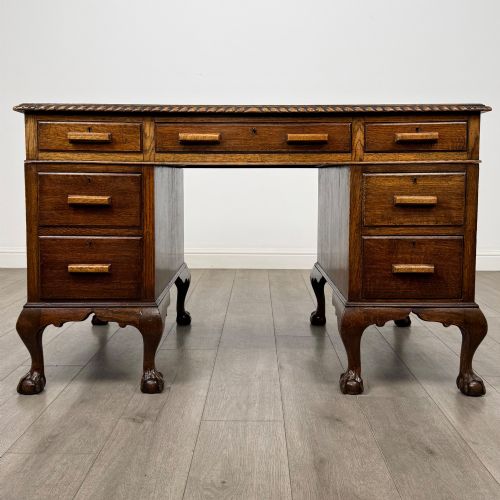
- A heavy freestanding desk supported by two pedestals of drawers or cupboards. These often incorporate panelled construction and claw and ball feet.
- Writing slope
- A hinged writing surface that folds down to reveal small drawers and pigeonholes inside a bureau. It provides a dedicated slant for correspondence.
Solid Oak Wooden Bureau: Frequently Asked Questions
How do I date an oak bureau?
Dating relies on examining the construction methods, hardware styles, and overall proportions relative to known periods such as the Georgian era or the 1920s. Maker labels also provide precise attribution where present.
Changes in drawer dovetailing and the presence of specific revival styles, such as Chippendale or Arts and Crafts, help narrow down the decade of manufacture.
Are roll-top desks difficult to maintain?
Roll-top desks require occasional checks of the tambour tracks to ensure the wooden slats slide smoothly without catching. Keeping the wood conditioned prevents warping.
Regular dusting inside the pigeonholes and gentle cleaning of the leather writing surface maintain the mechanical and visual integrity of the desk.
What is golden oak?
Golden oak refers to a lighter, honey-toned finish applied to or naturally occurring in oak timber. It became particularly popular during the Edwardian period.
This lighter shade highlights the distinct grain patterns of the wood without the heavy dark stains seen in earlier centuries.
How do I style a bureau in a modern room?
A solid oak bureau works well as a focal point in a living room or home office, combining display space on the surface with concealed storage. Leaving the writing flap open can showcase fitted interior compartments.
Pairing the heavy timber with neutral walls or contemporary seating balances the traditional weight of the piece.