
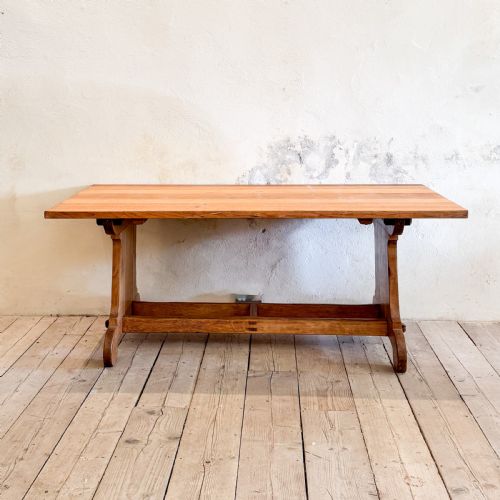
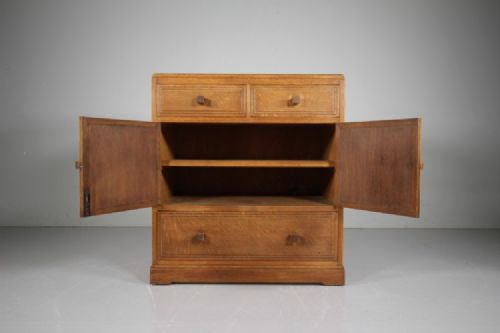
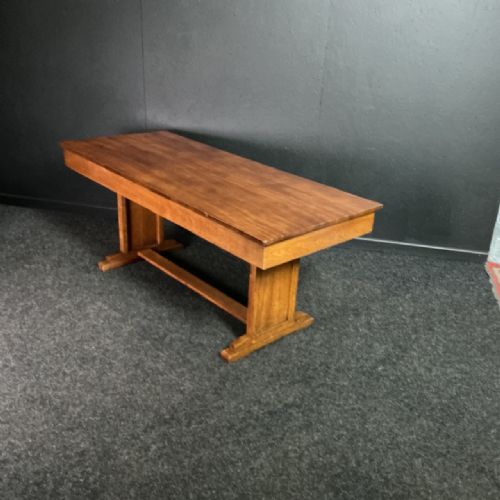

Solid Oak Study Desk
A solid oak study desk brings substantial weight and enduring timber character into a room, serving as a dependable surface for daily writing and organisation.
Solid Oak Study Desk
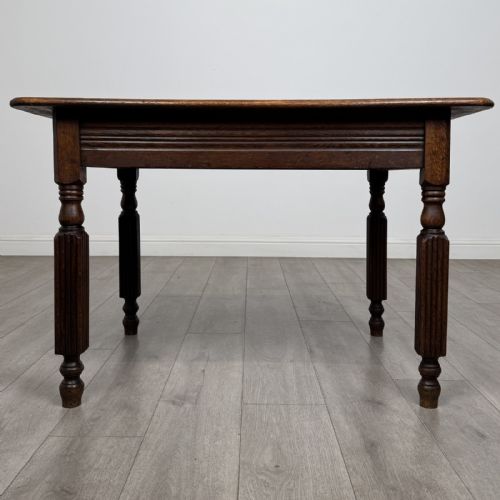
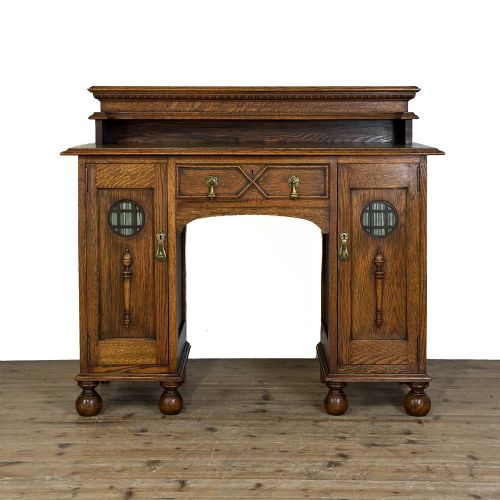
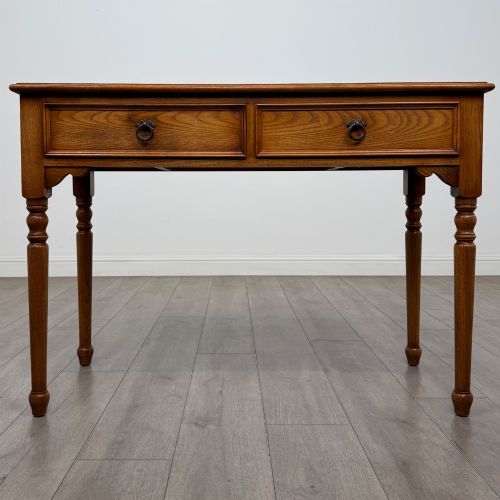
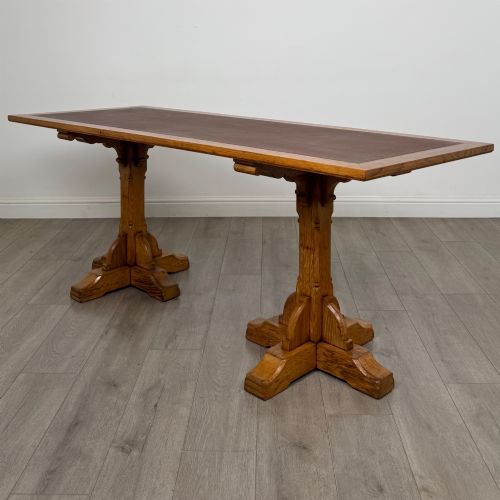
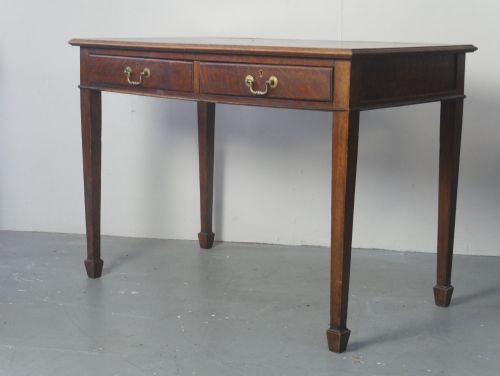
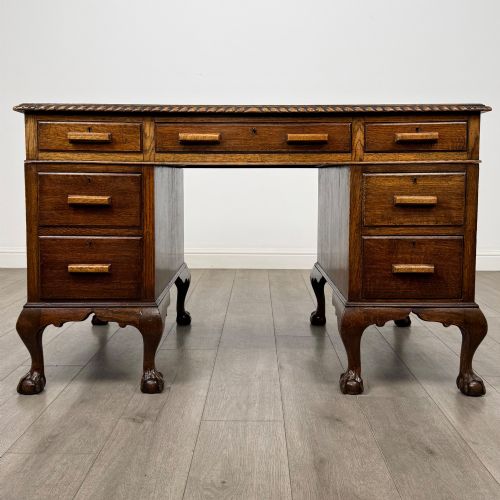
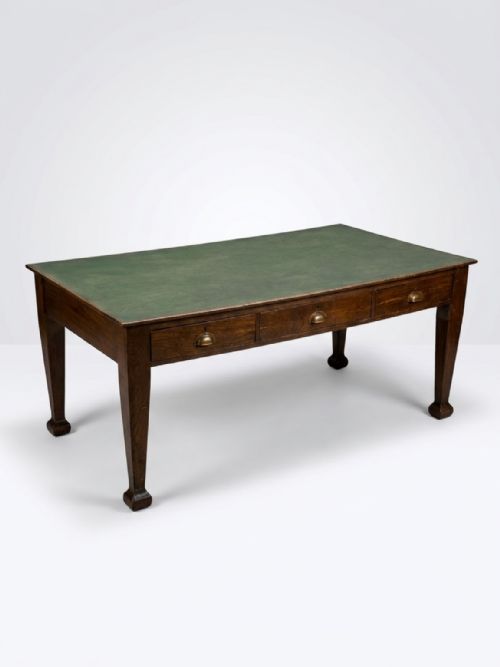
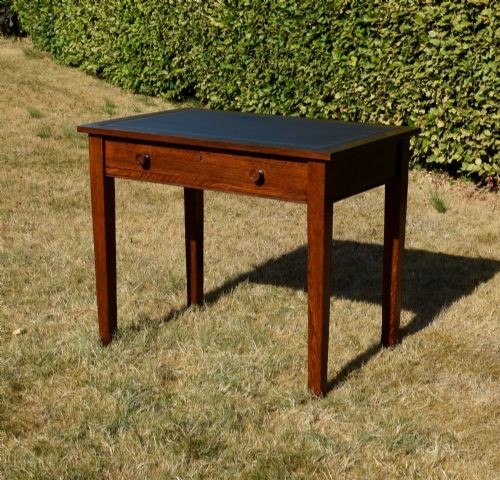
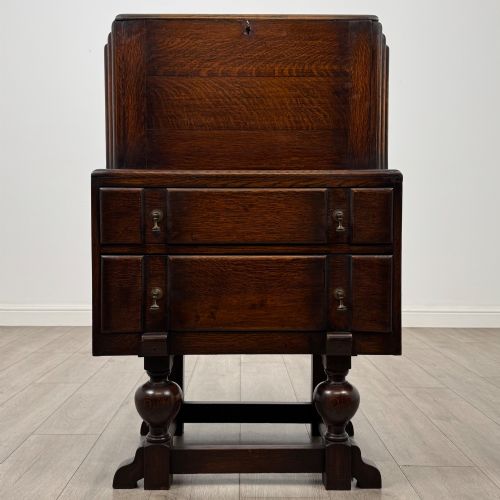
A solid oak study desk spans various forms from the late nineteenth century through to the mid-twentieth century, including writing tables, pedestal desks, and bureaus. These pieces emerge predominantly from the Victorian, Edwardian, and 1920s or 1930s periods, reflecting both utilitarian function and distinct stylistic revivals.
Stylistic influences vary widely across the inventory, ranging from plain functional pieces to Arts and Crafts designs, Jacobean Revival, Gothic Revival, and English Country Revival. This diversity allows a solid oak study desk to fit into both traditional interiors and simpler modernist settings.
Distinctions in craftsmanship and origin
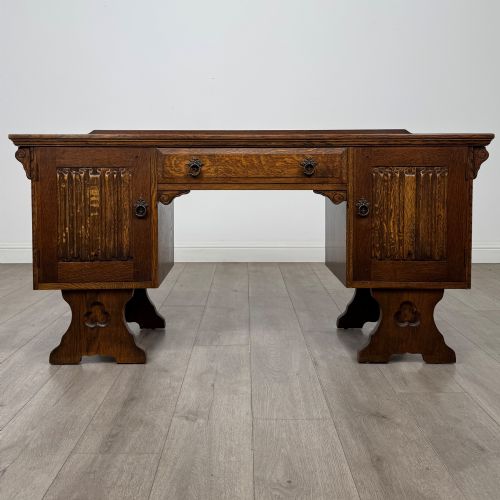
Quality separates through the integrity of the timber selection, the crispness of decorative details like linenfold carving, and the overall robustness of the construction. Superior examples maintain tight joints, smooth drawer operation, and original brass hardware without excessive replacement.
Maker identification further elevates certain pieces, with branded labels from established firms or institutions providing documented provenance. The presence of well-executed revival styles, such as Arts and Crafts or Jacobean detailing, also distinguishes finer workshops from standard commercial production.
Materials appearing alongside solid oak across the selection include brass, iron, leather, glass, and ash.
Heals of London·Bryn Mawr Welsh
The Solid Oak Study Desk Glossary
- Pedestal desk
- A heavy freestanding desk supported by two supporting pillars or columns of drawers on either side of the central kneehole. These configurations offer substantial storage and a commanding presence in a study.
- Bureau
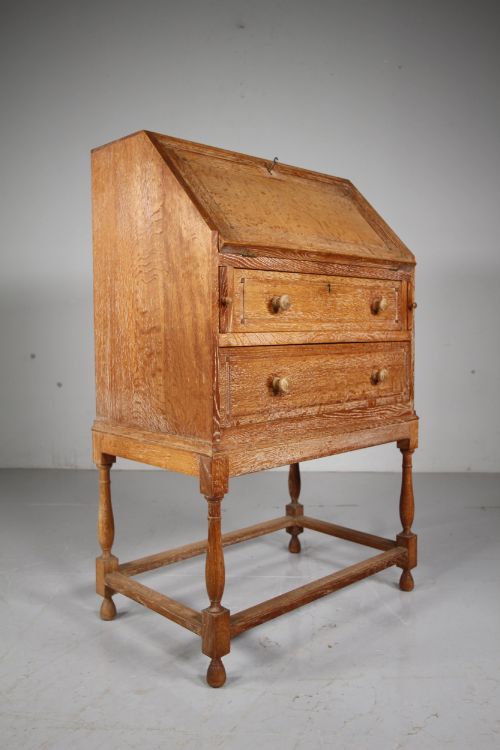
- A writing cabinet featuring a sloping fall-front flap that opens to reveal internal pigeonholes and small drawers. They often incorporate drawers below the writing surface for additional storage.
- Linenfold
- A style of carved wooden panelling designed to resemble folded vertical lengths of cloth. It appears frequently on panels of Edwardian and revival furniture.
- Arts and Crafts
- A design movement valuing traditional craftsmanship, simple forms, and visible construction methods over mass-produced ornamentation. Pieces in this style often highlight the natural grain of the oak timber.
- Library table
- A large freestanding table designed for reading and writing, finished on all sides so it can sit in the centre of a room. They often feature spacious rectangular tops supported by sturdy legs.
Solid Oak Study Desk: Frequently Asked Questions
What is a solid oak study desk?
A solid oak study desk is a heavy wooden writing or office table made from durable oak timber. These pieces range from simple writing tables to large pedestal desks and bureaus designed for serious work.
Purchased for their longevity and strong grain patterns, they function as practical workspaces while anchoring the design of a room.
How do I identify an Edwardian desk?
Edwardian desks date from the reign of King Edward VII, spanning roughly the first decade of the twentieth century. They often draw upon earlier Georgian or Arts and Crafts styles while utilising lighter framing than heavy Victorian pieces.
Look for refined proportions, oak or golden oak construction, and characteristic decorative touches such as linenfold carving or brass drop handles.
Where were these desks used originally?
These desks served in domestic studies, home offices, and professional rooms, as well as institutional settings like public schools and libraries. Their sturdy construction was intended to withstand decades of daily clerical or academic work.
Today, they transition easily into modern homes, providing reliable writing surfaces and built-in drawer storage for laptops and paperwork.
How do I care for a leather top?
Leather inserts on writing tables require gentle cleaning with a slightly damp cloth, avoiding harsh chemical cleaners that can dry out the material. Periodic conditioning helps maintain the supple texture of the leather surface.
Keeping the desk out of direct sunlight prevents the leather from fading and cracking over time.