



Solid Oak Gothic Seating
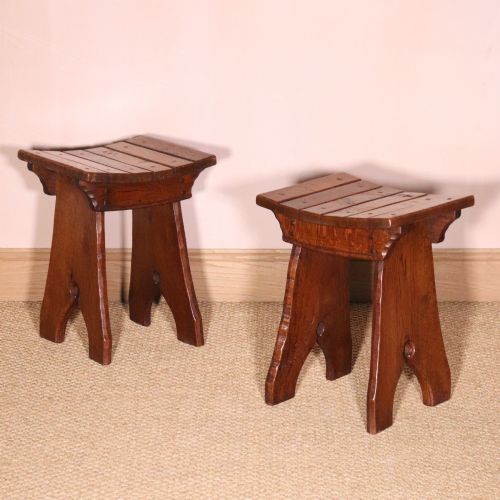
Solid oak gothic seating brings heavy architectural timber and pointed arches directly into the domestic interior.
Solid Oak Gothic Seating
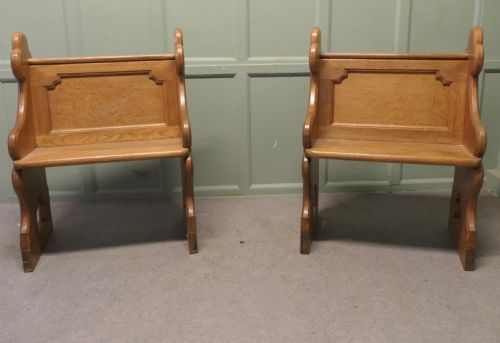
Solid oak gothic seating comprises heavy timber forms built primarily during the nineteenth and early twentieth centuries, drawing heavily on medieval design principles. Buyers encounter items ranging from simple hall chairs and benches to architectural chapel thrones and settle seats, shaped by Victorian Gothic Revival and Arts and Crafts movements.
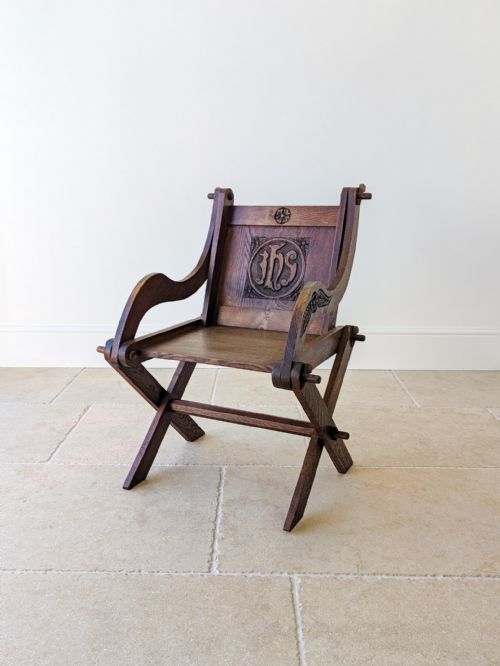
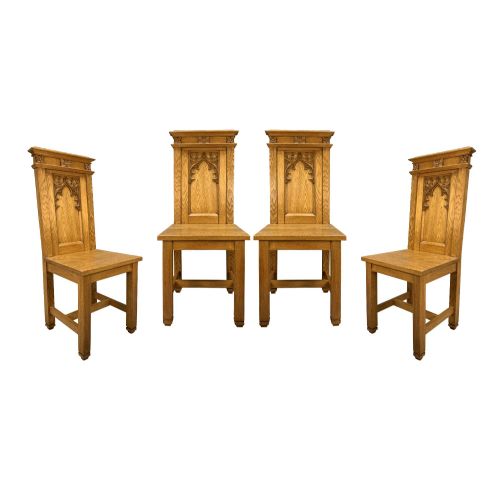
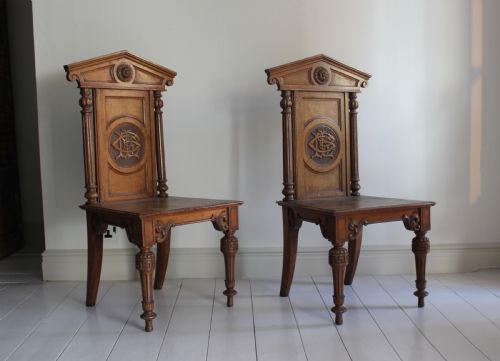
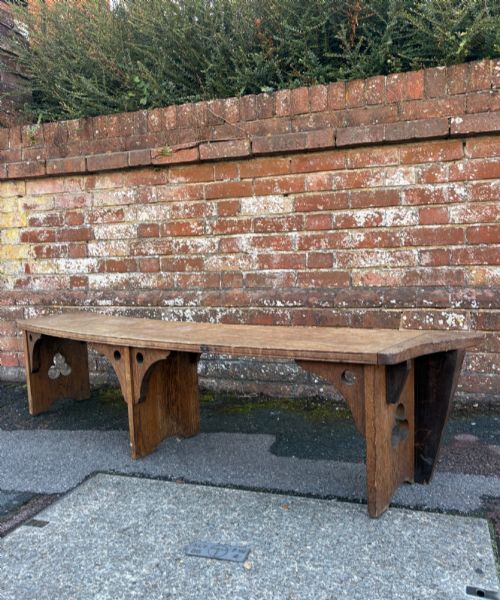
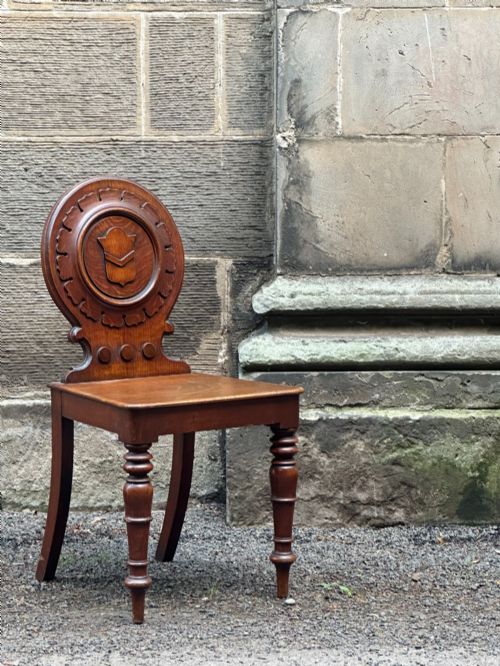
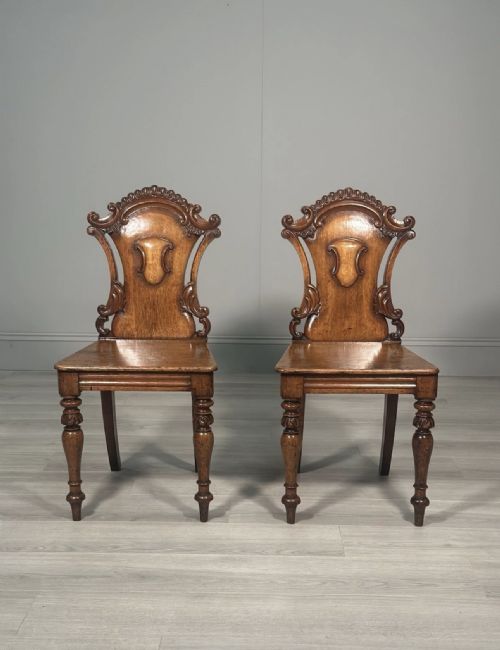
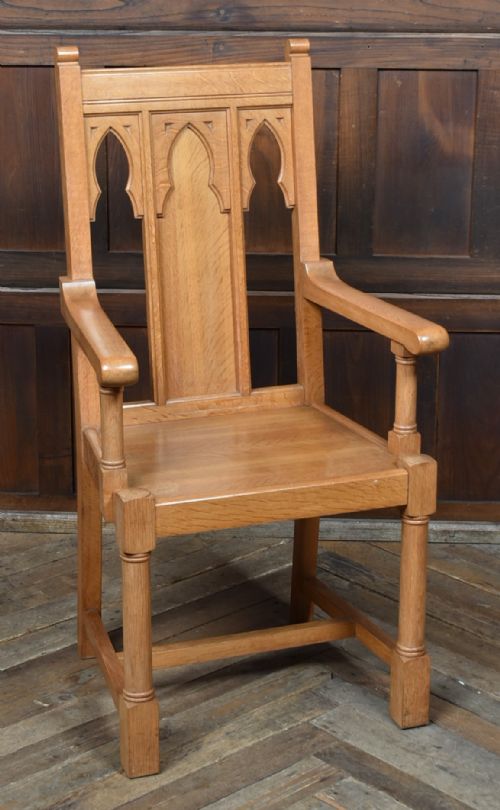
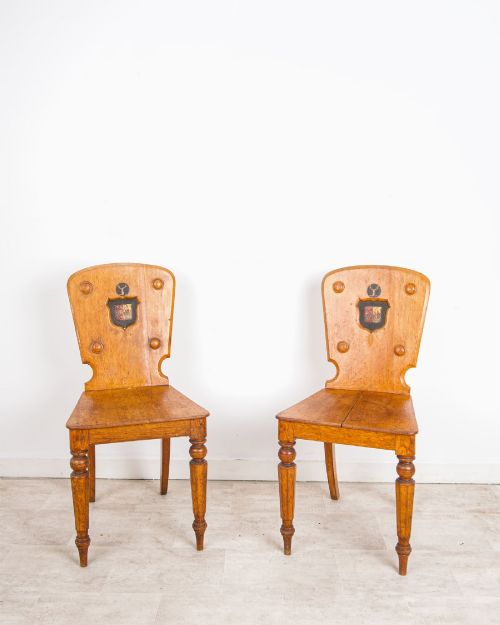
The material palette is anchored firmly by sturdy timber and solid oak, occasionally accented with elm, leather, brass, or painted wood. These pieces served functional roles in churches, halls, and libraries, offering upright support and imposing architectural presence through trefoil carvings, heraldic shields, and high carved backs.
Judging quality in gothic seating
Quality rests heavily on the depth and crispness of the timber carving, distinguishing master craftsmanship from straightforward production pieces. Sharp relief work on heraldic shields or trefoil supports indicates a more accomplished hand at the bench.
The integrity of the timber joints and the weight of the solid oak frame dictate long-term durability. Pieces that retain their original structural timber without extensive replacement parts command greater appreciation from collectors.
Solid Oak Gothic Seating Retail Price Guide 2026
Typical asking prices for solid oak gothic seating among the pieces listed under this phrase on Sellingantiques today, from the lower quarter to the upper quarter. They describe what is for sale here now, not the wider market.
Some nineteenth-century makers fashioned sturdy chapel thrones specifically designed to keep dozing parishioners remarkably upright during lengthy sermons.
Jack Grimble
The Solid Oak Gothic Seating Glossary
- Gothic Revival
- An architectural and decorative movement reviving medieval forms, pointed arches, and heavy timber construction. This aesthetic dominates the nineteenth-century pieces found in this category.
- Wainscot chair
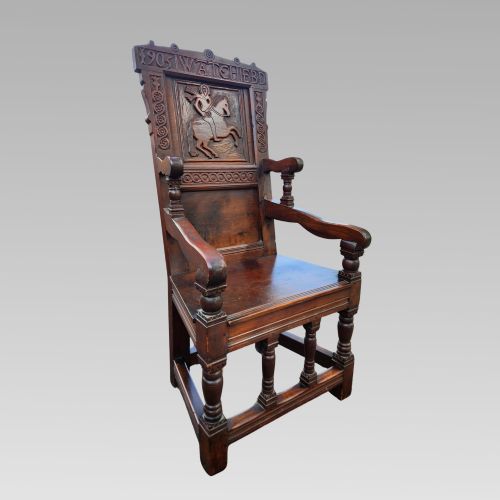
- A solid wooden armchair featuring a panelled back and heavy timber seat, typically associated with seventeenth-century styling. Later nineteenth-century interpretations replicate this robust form in solid oak.
- Trefoil
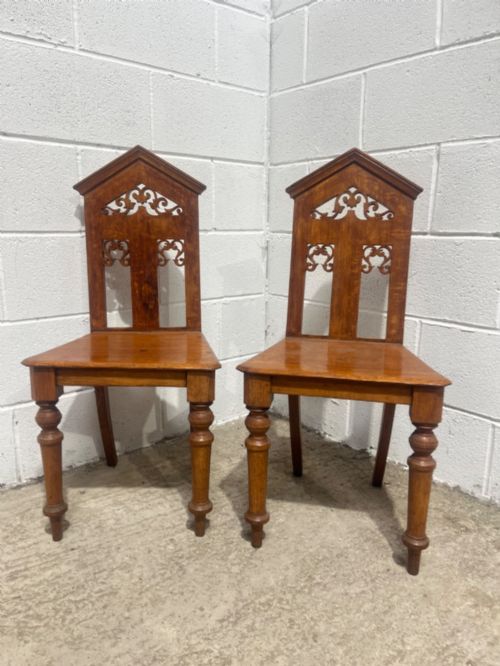
- A three-lobed ornamental design resembling clover leaves, frequently pierced or carved into chair backs and bench supports. It serves as a signature motif in gothic church and hall seating.
- Settle seat
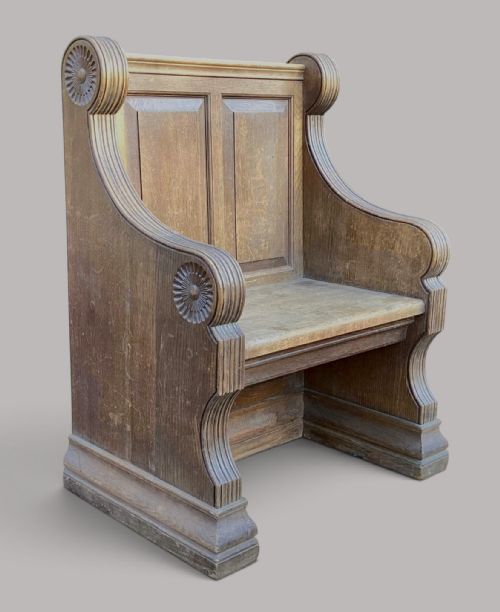
- A high-backed wooden bench with solid arms and a storage box or panelled base designed to block drafts. These imposing seats formed the focal point of large halls.
- Hall chair
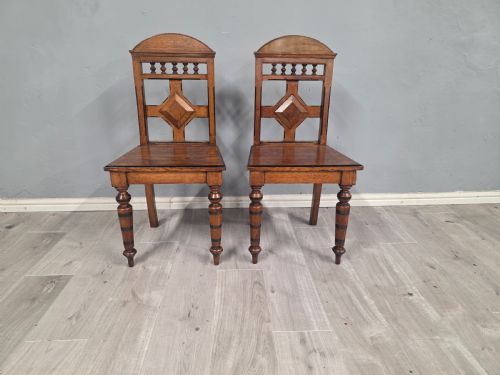
- An upright wooden seat designed for occasional use in entrance halls rather than long periods of dining. They often feature carved heraldic shields or pierced fretwork backs.
Solid Oak Gothic Seating: Frequently Asked Questions
Where were these chairs originally used?
These robust wooden seats were typically positioned in grand entrance halls, ecclesiastical settings, or institutional libraries where an imposing architectural presence was desired.
Their heavy construction and upright posture suited spaces meant for brief waiting rather than prolonged lounging.
How do I care for solid oak furniture?
Maintain the timber by applying a traditional beeswax polish sparingly and buffing gently with a soft cloth. Keep the pieces away from direct heat sources and dramatic humidity shifts to prevent timber splitting.
What is the difference between a hall chair and a settle?
A hall chair is a single upright seat designed for an entryway, usually featuring a decorative carved back. A settle is a much larger bench with a high panelled back and enclosed base.
Settles were built to provide shelter from cold drafts in large medieval and revival-style interiors.
Are these pieces strictly Victorian?
While the majority date from the nineteenth century during the Gothic Revival and Arts and Crafts movements, production extends into the Edwardian era and twentieth century.
Designers continued reproducing seventeenth-century styles well past the Victorian period using traditional solid oak and elm.