
Solid Oak Furniture
Solid oak furniture brings substantial weight and honest grain into a room, spanning periods from the seventeenth century through to the Edwardian era.
Solid Oak Furniture
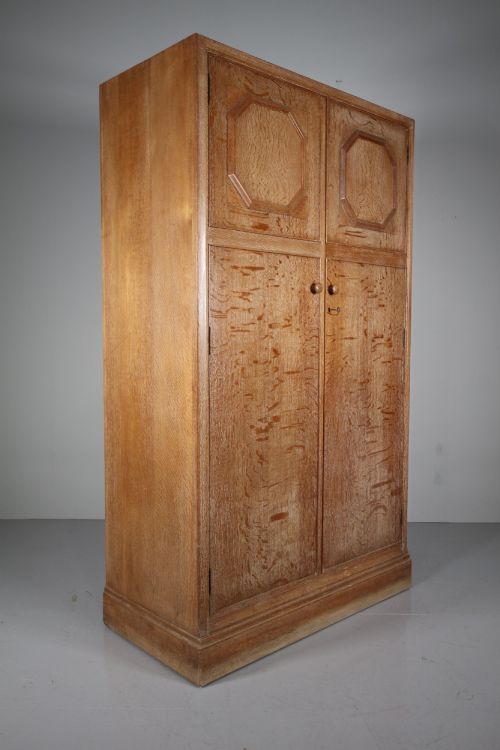
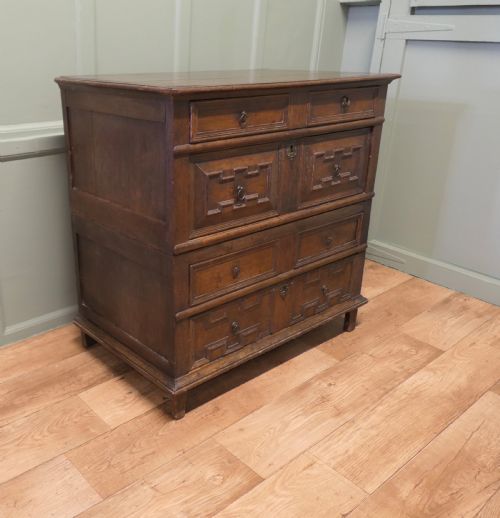
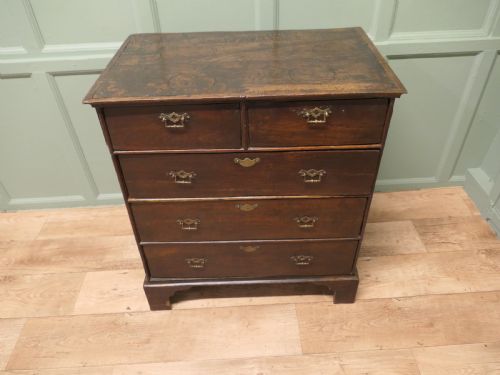
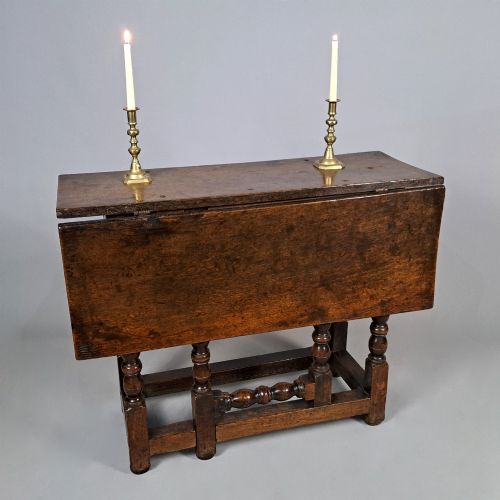
Solid oak furniture encompasses heavy structural items built for daily utility, frequently appearing as chests of drawers, dining tables, and hall stands. Buyers searching for solid oak furniture encounter pieces spanning multiple centuries, from seventeenth-century tables to Edwardian golden oak storage pieces.
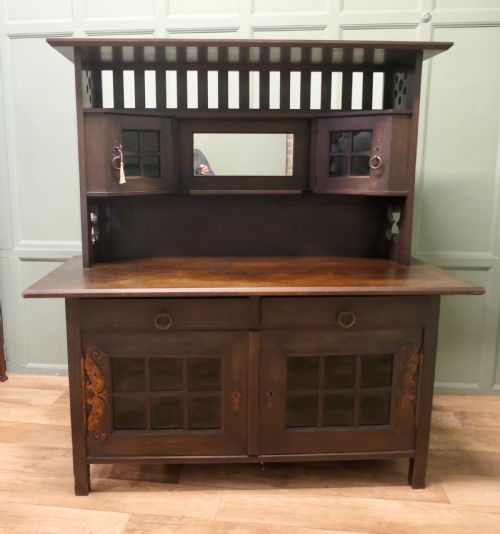
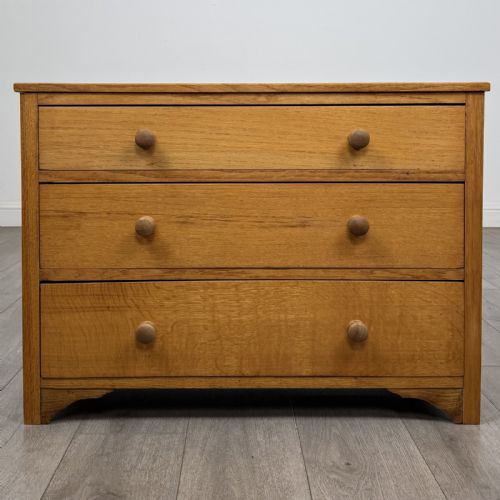
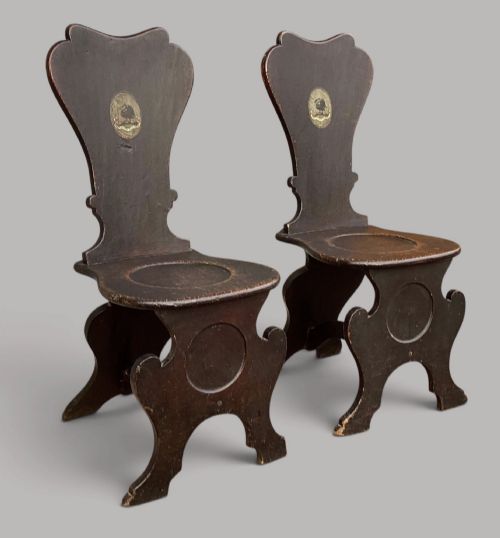
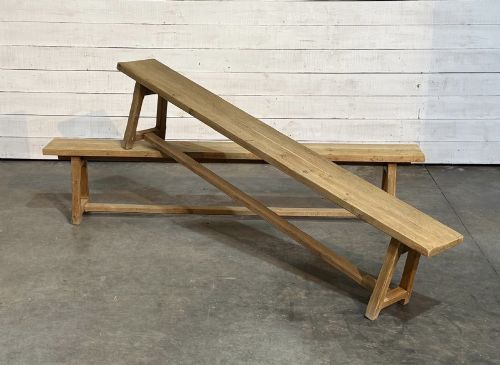
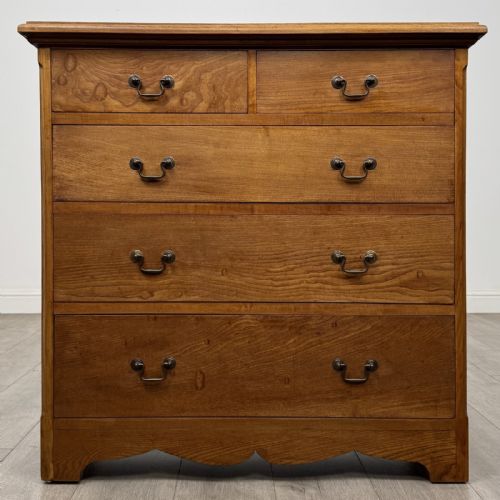
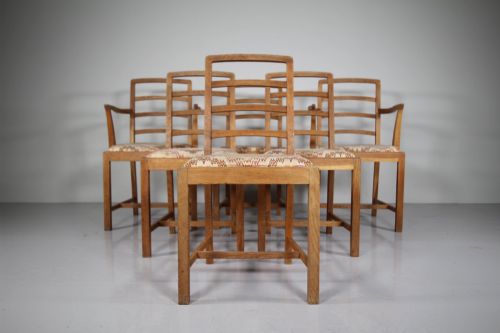
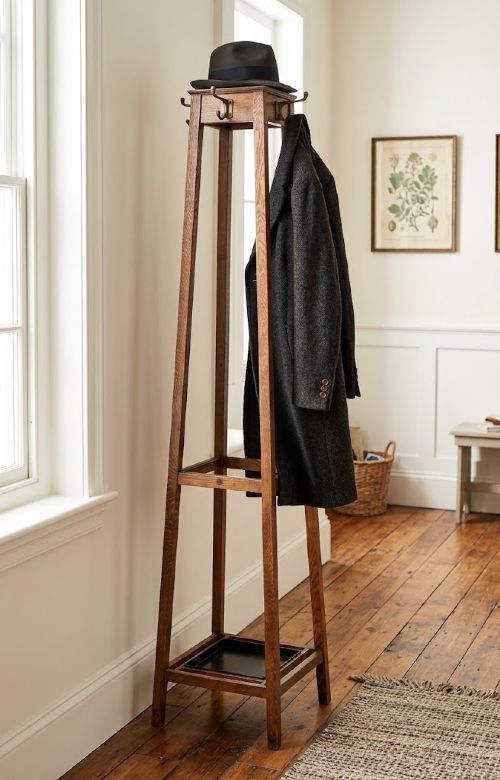
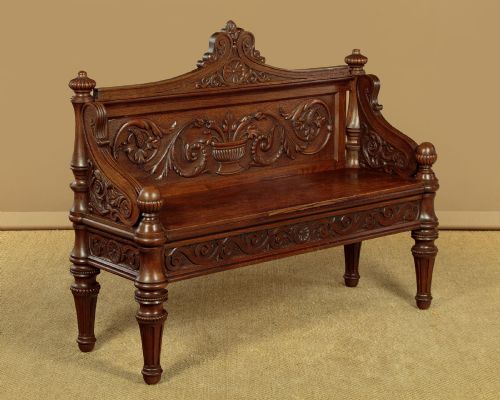
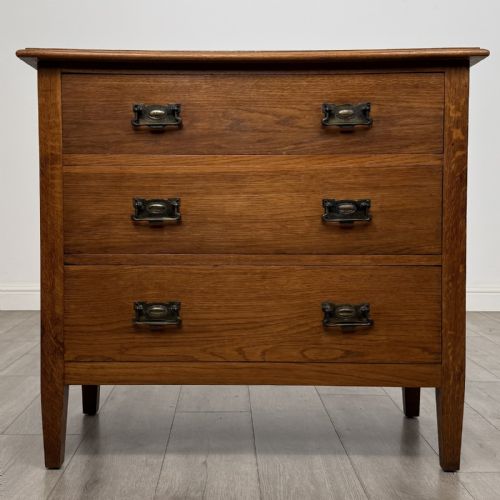
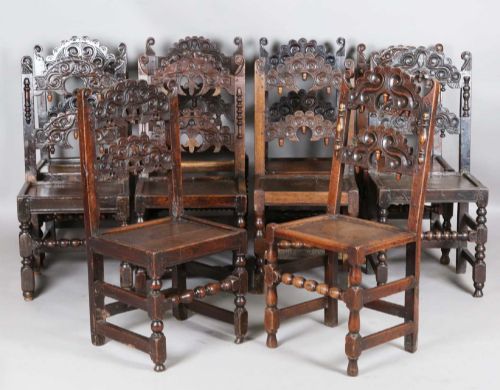
The most common forms on this page include chests of drawers with brass or wooden knob handles, alongside utilitarian seating such as dining chairs, benches, and hall stands. Many examples reflect specific design movements like Arts and Crafts or Gothic Revival.
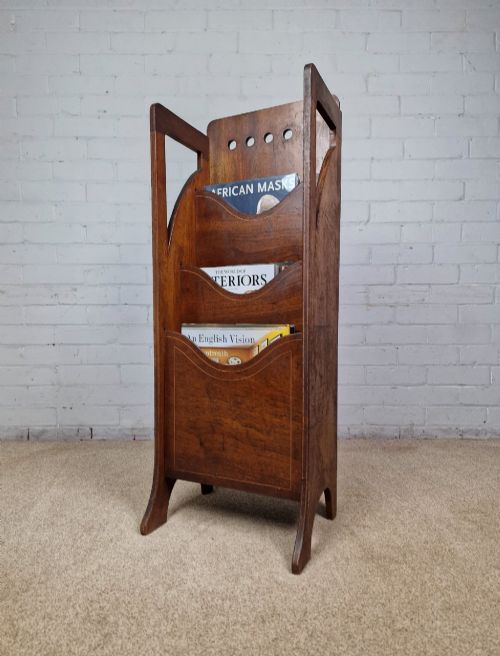
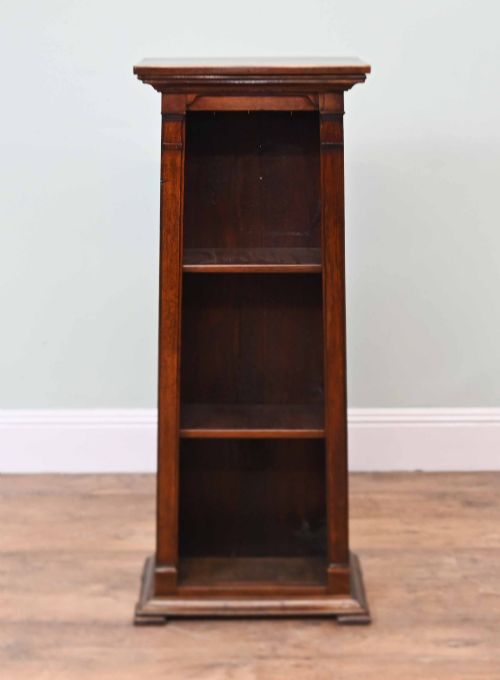
Origins range across English country workshops, continental makers, and prominent firms like Liberty & Co. or Heals of London. Domestic items vary from single-plank dining tables to fitted wardrobes and revolving bookcases.
Assessing quality and construction
Quality rests in the integrity of the timber selection, such as single-plank tabletops and heavy framing, contrasted against simpler later adaptations. The presence of original hardware, including brass acorn handles and maker labels, distinguishes standard utility items from notable design commissions.
Carving depth and proportion separate vernacular pieces from sophisticated urban workshops, while the retention of original structural elements governs the character of each piece.
A church pulpit from the Victorian era shares space here with domestic umbrella stands and mouse-carved panels.
Leonard Wyburd for Liberty·Heals of London·Finnigans·Crown Furniture·Jack Grimble
The Solid Oak Furniture Glossary
- Refectory dining table
- A long dining table traditionally used in monastic refectories, characterised by sturdy legs connected by a central stretcher. These tables often feature thick solid oak tops.
- Arts and Crafts
- A design movement originating in the late nineteenth century that emphasised handcrafting and natural materials over mass production. Pieces from this era often display exposed construction and honest joinery.
- Coffer
- A large wooden chest with a hinged lid used primarily for storage of textiles or valuables. Early examples feature heavy panelled construction in solid oak.
- Hall stand
- A piece of furniture placed in an entrance hall designed for hanging coats, storing umbrellas, and occasionally incorporating a mirror or small seat.
- Gothic Revival
- An architectural and decorative style drawing inspiration from medieval forms, featuring pointed arches, trefoil carvings, and heavy structural presence.
Solid Oak Furniture: Frequently Asked Questions
How do I date solid oak furniture?
Dating relies on construction methods, tool marks, and stylistic indicators such as carved motifs or hardware. Seventeenth-century pieces typically show hand-split boards and pegged mortise and tenon joints, whereas Edwardian examples utilise machine-sawn timber.
Secondary materials and handles also provide clues, with original brass drop handles or wooden knobs often characteristic of specific decades like the 1920s.
Where was solid oak furniture used?
These pieces served practical roles throughout domestic and public interiors, from dining rooms and hallways to bedrooms and churches. Heavy tables and benches equipped refectories and halls, while chests of drawers and wardrobes provided domestic storage.
Specialist forms like umbrella stands and coat racks occupied entrance spaces to manage outerwear.
How do I maintain solid oak surfaces?
Maintaining solid oak involves regular dusting with a dry cloth and occasional application of traditional beeswax to nourish the grain. Avoiding direct heat sources and excessive moisture prevents the timber from warping or splitting.
Gentle care preserves the original patina built up over decades or centuries of use.
What is golden oak?
Golden oak refers to a warm, honeyed colour tone frequently found on furniture produced during the Edwardian period and the early twentieth century. This appearance often results from specific finishing techniques and the natural ageing of the timber.
It contrasts with the darker, heavier finishes seen on earlier seventeenth-century or revival pieces.